
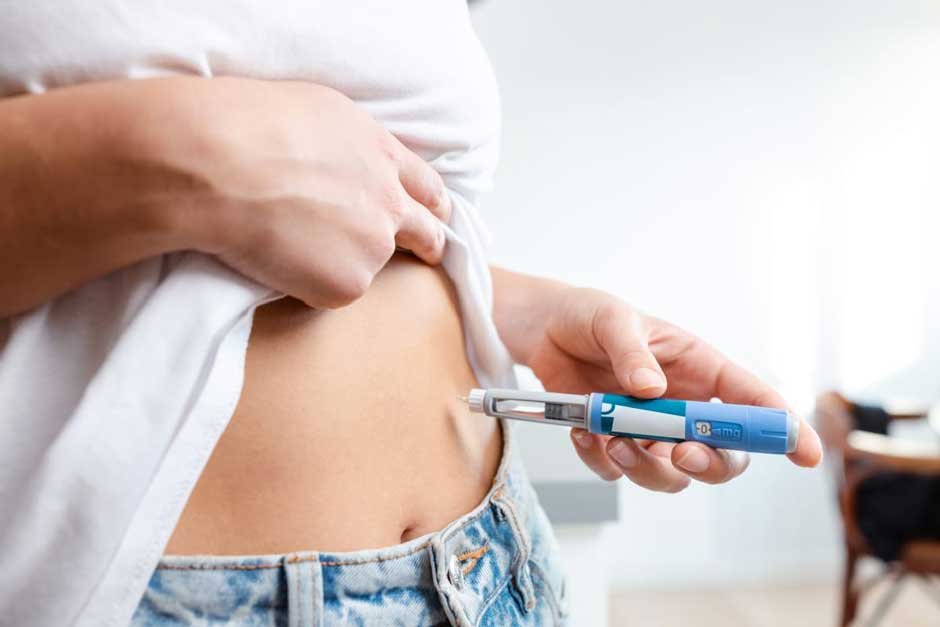
People often ask how long it really takes to notice results from injectable weight loss treatments. These meds work by dialing down your appetite and slowing digestion, so you end up feeling full for longer stretches. Most folks start to see the scale budge within about 2-4 weeks, though the bigger changes usually come after 2-3 months if you stick with it.
Of course, everyone’s journey looks a little different. Starting weight, daily habits, and even the dose your doctor recommends all play a part. Some people see changes pretty fast, while others might need more time. Pairing these meds with better eating choices and some movement? That’s usually where the magic happens.
Timeline and Factors Influencing Results With Injectable Weight Loss Treatments
There’s no one-size-fits-all answer here—injectable weight loss treatments work at different speeds depending on a handful of important factors. Knowing what to expect (and what could slow things down) is half the battle.
Average Timeframe to Notice Initial Changes
Generally, most people spot the first changes in about 2-4 weeks after starting injections. Early on, weight loss is usually around 1-2 pounds a week, give or take. But it isn’t just about the number on the scale. Lots of patients say they feel less hungry between meals, or they fill up quicker, sometimes within just a week or two.
By the time you hit months 2 or 3, bigger shifts in weight start to show up—often around 5-10% of your starting body weight. That’s when friends and family might start making comments or asking what you’re doing differently.
Most people see the full effect after 6-12 months if they keep up with the treatment. Some medications have even shown results lasting up to 68 weeks in studies, which is kind of wild when you think about it.
Individual Variability and Metabolism
How quickly you respond can be all over the map. Age is a big one—if you’re younger, your metabolism might just work a little faster, so you notice changes sooner. Genes play a role too. Some people just respond better because of how their bodies process the meds. It’s not always fair, but it’s real.
Starting weight matters. If you have a higher BMI, sometimes the early weight loss looks more dramatic. If you’re already closer to your goal, changes can feel a bit slower.
Hormones can throw things off as well. Women might see some ups and downs depending on their cycle, and if you have thyroid issues, that can make things drag out a bit. Other health stuff, like insulin resistance or diabetes, can speed things up or slow them down, depending on which injectable you’re using.
Safe and Effective Use of Saxenda in Singapore
For those using Saxenda in Singapore, noticeable changes usually appear around the 4–6 week mark, which explains its growing popularity given its solid track record. Doctors often take a gradual approach to increasing the dose, so the timeline may vary compared to other countries.
With Singapore’s humid climate, proper storage is crucial—Saxenda must stay refrigerated to remain effective. While some people combine it with Traditional Chinese Medicine, research on this mix is still limited. On average, clinics report that patients lose about 7–9% of their body weight after six months, which is consistent with global results.
Impact of Dosage and Adherence to Prescribed Regimen
If you skip doses or don’t follow the plan, things slow down—sometimes a lot. Plateaus can happen, and that’s frustrating. There’s usually a ramp-up period where you slowly increase the dose. You probably won’t see the full effect until you hit the target dose, which can take about 4-5 weeks.
Technique matters more than you’d think. Injecting the right way, and switching up where you do it, helps your body absorb the medication better. It sounds small, but it can make a difference.
When you take your shot—before or after meals, for example—can change how you feel and how well the meds work. Your doctor will have advice, and it’s worth following. Sticking with your follow-up appointments lets your doctor tweak things as needed. People who keep up with these visits usually see better, steadier results. It’s not always easy, but it’s worth it.
Role of Lifestyle Habits in Supporting Effectiveness
Diet quality really shapes how fast injectable treatments work. If you eat a lot of processed foods or load up on sugar, you might notice slower progress, no matter how diligent you are with medication.
Getting some physical activity in makes a real difference. Just walking for half an hour each day can boost weight loss by up to 20% compared to relying on medication alone. That’s not nothing, right?
Sleep—honestly, it matters more than most people think. Poor sleep throws off the hormones that handle hunger and metabolism, which can make treatments less effective. Sometimes it feels like you’re doing everything right, but if you’re not sleeping well, results might stall.
Managing stress is another piece of the puzzle. Chronic stress keeps cortisol levels high, and that can seriously block weight loss, even if you’re sticking to your medication. Maybe try some deep breathing or something that helps you unwind?
Don’t forget about water. Staying hydrated helps your body process medication better and can cut down on water retention, so you actually see the real weight loss happening. It’s a simple habit, but it matters.