
Skip to the good bit
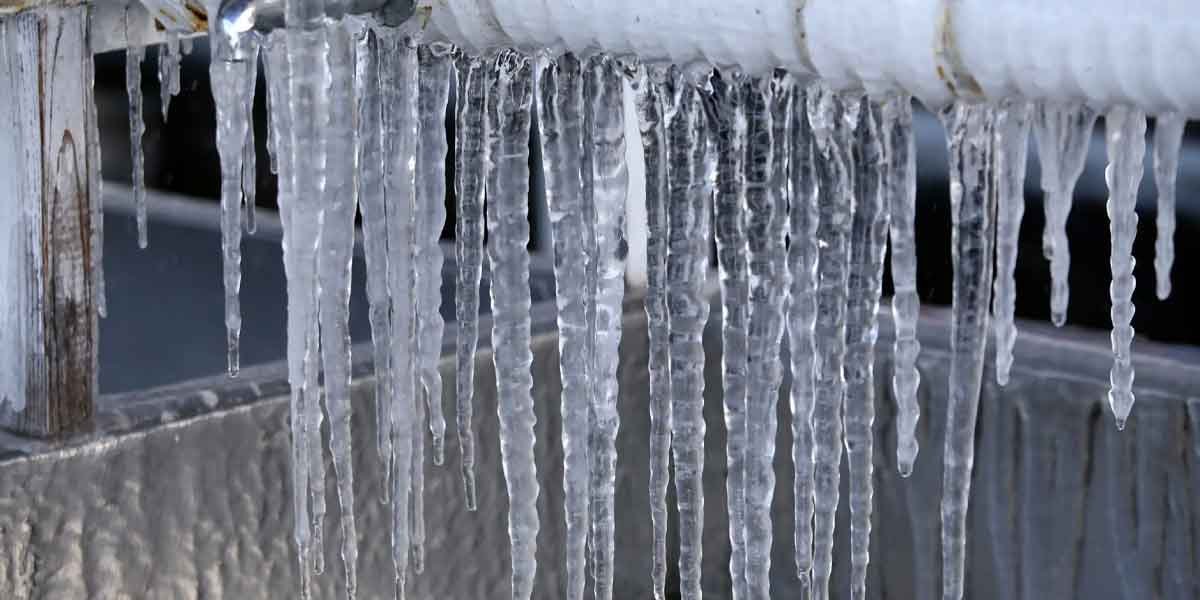
ToggleWinter problems usually start small. A cold draft hits one pipe. A little roof melts refreeze at the edge. Then water shows up where it should not be.
A burst water main can turn a normal day into a full cleanup job. Water can spread fast through basements, drywall, and flooring.
What Freezing Weather Does to Pipes
Water expands when it freezes. That expansion puts heavy pressure on the pipe walls. Copper, PEX, and PVC can all fail under stress.
Cold air is often the real cause. It sneaks into crawl spaces and wall gaps. Pipes near exterior walls freeze first.
Signs a Pipe Is About to Fail
Watch your water pressure. A sudden drop can mean a crack is forming. Strange clanking sounds can also be a warning.
Look for damp smells and warm spots on walls. A warm spot can mean a leak behind drywall. Small stains often grow after the next cold night.
What to Do in the First 10 Minutes
Shut off the main water valve right away. If you cannot find it, shut off water at the meter. If water is near outlets, turn off power to that area.
Move towels, rugs, and small items to a dry room. Take a few clear photos for insurance. Open windows for a short time if weather allows.
How to Stop More Damage While You Wait
Use buckets under active drips. Wrap the leaking area with a towel to control spray. Do not try tape alone on a pressurized line.
Start air movement fast. Fans help, even in cold weather. A dehumidifier pulls moisture from wood and drywall.
Drying and Cleanup to Prevent Mold
Water sits inside materials even after the floor looks dry. Drywall absorbs moisture like a sponge. Wet insulation can hold water for days.
Pull baseboards if water reached the wall edge. Remove soaked carpet padding when it feels heavy. Keep airflow running until humidity drops.
When to Call an Emergency Plumber
Some issues need a pro right now. Call if the leak is inside a wall. Call if sewage is involved or water is near a breaker panel. Call if you cannot stop the flow.
If you need fast help, learn more and keep that page ready on your phone. Quick service can stop the source before repairs get bigger.
How Ice Dams Cause Indoor Leaks
Ice dams form when roof snow melts and refreezes at the edge. The ice blocks water from draining off the roof. Meltwater backs up under shingles and finds gaps.
Leaks from ice dams can show up far from the roof edge. Water can run along rafters and drip into ceilings. Stains near outside walls are common.
Steps to Reduce Ice Dam Risk
Start with attic sealing. Warm air leaks from the house heat the roof deck. Seal gaps around vents, lights, and attic hatches.
Improve attic insulation where it is thin. Keep gutters clear so meltwater can drain. Use a roof rake after heavy snow if it is safe.
For heating products designed for roof edges and drainage paths, see roof ice dam solutions and choose what matches your setup. The right approach can lower refreeze and help water exit the roof.
Simple Winter Checklist for High Risk Areas
Check under sinks on cold mornings. Open cabinet doors if the room feels chilly. Let a faucet drip during extreme cold if pipes are exposed.
Inspect the attic after big temperature swings. Look for wet insulation or dark wood. Outside, watch downspouts and gutters for ice buildup.
FAQ
How do I thaw a frozen pipe safely?
Use a hair dryer or warm towels on the pipe. Start near the faucet end and move toward the cold spot. Never use an open flame.
How fast can mold grow after a leak?
Mold can start in one to two days. Warm rooms and wet drywall speed it up. Drying quickly lowers the risk.
Is low water pressure always a pipe problem?
Not always, but it can be a clue. It may also come from a clogged aerator or valve issue. If the drop is sudden, check for leaks.
Why do ceiling stains show up days later?
Water can travel along framing before it drops. It may pool above drywall and soak through later. That delay is common with roof and pipe leaks.
Should I turn off the water when leaving town in winter?
Yes, if you can. A small leak can become a flood while you are away. Shutting off the main valve reduces the worst damage.
Conclusion
Find your main shutoff valve today and label it. Add pipe insulation in cold zones and seal drafts in crawl spaces. After any leak, focus on stopping water and drying fast. Check the attic and roof edge after snow swings, since ice dams often cause slow hidden damage. These steps reduce repairs and protect your home all winter.