Skip to the good bit
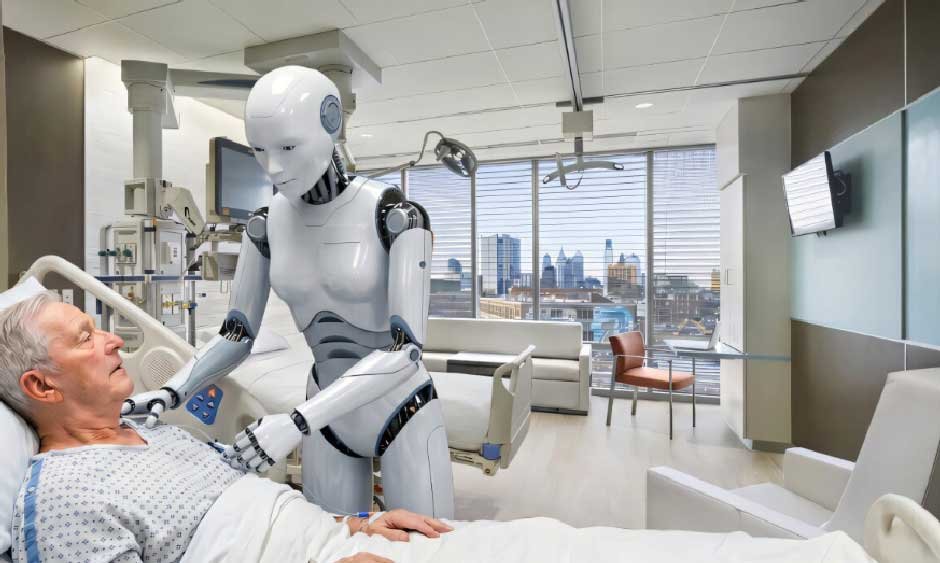
ToggleArtificial intelligence (AI) has slowly become increasingly prominent in nearly every industry. That includes healthcare, an industry in which AI has the potential to create some huge waves. This is especially true for nurses who stand on the front lines of patient care and electronic health record management.
Even still, AI is quite controversial, and some people question whether it has a place in healthcare. That said, AI has proven to offer many benefits to nurses, doctors, and patients alike, especially regarding real-time monitoring. Follow along as we explore why nursing is one of the most interesting places to watch AI deploy and highlight its benefits.
Automate Rote Tasks
Nurses have so many tasks that go beyond patient interactions, and they take up a lot of time. For example, nurses must constantly update electronic health records (EHRs) and fill out paperwork between patients. One of the appeals of AI in nursing is that you can now use AI tools to automate many of these rote tasks.
This ensures that nurses can dedicate more attention to meaningful interactions with their patients. Many of these rote tasks limit how much time and energy nurses can dedicate to their patients.
Maximize Administrative Efficiency
Many young nurses dream of and work toward becoming nurse leaders. Nurse leaders handle many administrative tasks, such as scheduling and inventory management. These tasks are necessary, but they also take time away from other important nurse leader duties, such as mentoring the staff.
Nurse leaders also help their staff navigate regulatory and administrative changes, which can be difficult. However, the rise of AI in nursing gives nurse leaders the chance to focus on the nurses working beneath them. This is more important than ever, given the widespread nursing shortages throughout the United States.
Now, nurse leaders can use AI programs to create schedules and manage the supply inventory. This gives them the chance to train new nurses, mediate office conflicts, and help their staff navigate the changing healthcare landscape. Of course, AI is relatively new, so nurse leaders don’t have to take an AI-generated schedule as gospel, and they can edit it.
Improved Early Detection
Nurses and doctors see so many patients per day, and they only have so much time with each person. Unfortunately, everyone has heard horror stories of doctors and nurses missing red flags for serious health problems. The rise of AI healthcare tools has led the way for improved early detection, which can save lives.
In this case, you can think of AI as a second or third set of eyes. Of course, doctors, nurses, and radiologists must still review health records, but now they can use AI as a backup. This second opinion can make the difference between catching something early and addressing it, or discovering bad news far too late.
Utilize Real-Time Data
Today, wearable Remote Patient Monitoring (RPM) devices are becoming increasingly prominent. These devices collect important health data, such as blood sugar level, heart rate, and blood pressure. This data goes directly to a patient’s electronic health record, so doctors and nurses can monitor it as needed.
Not only does this give nurses more data than ever, but it can also reduce the need for unnecessary appointments. This can ultimately help improve patient turnover and reduce long waiting times at hospitals and clinics. More importantly, RPM devices can notify healthcare providers of dangerous health events before they happen.
For example, someone may not realize that their blood pressure is soaring until the hospital calls them after a nurse sees it on the EHR. This is ultimately one of the best ways that AI has impacted nursing and healthcare as a whole.
Improved Training Protocols
Going through nursing school and clinicals is one thing, but entering the workforce can be intimidating. Getting used to the long hours and sometimes unpredictable patient interactions is easier said than done. However, AI-driven training programs and virtual reality simulations provide new ways to help students integrate their knowledge with practical experiences.
Sure, a VR training simulation isn’t the same thing as hands-on experience, but it can at least prepare young nurses for the real thing. This is more important than ever, given the rise of accelerated nursing programs. Anything nurses can do to prepare themselves for real-world experiences will ultimately benefit them, their coworkers, and their patients.
AI Will Leave a Significant Footprint on Nursing
Many people understandably fear the implications of healthcare AI. This is understandable, but many of the potential problems are insignificant so long as nurses, doctors, and administrators prioritize checks and balances. As long as healthcare professionals understand the pitfalls of AI, they can avoid them in their patients’ best interests.
For example, administrators can train nurses and doctors to identify AI biases and mistakes. This is the best way to reap the benefits of healthcare AI without causing more harm than good. As AI grows, so too will the benefits it offers nurses, doctors, and patients alike.