
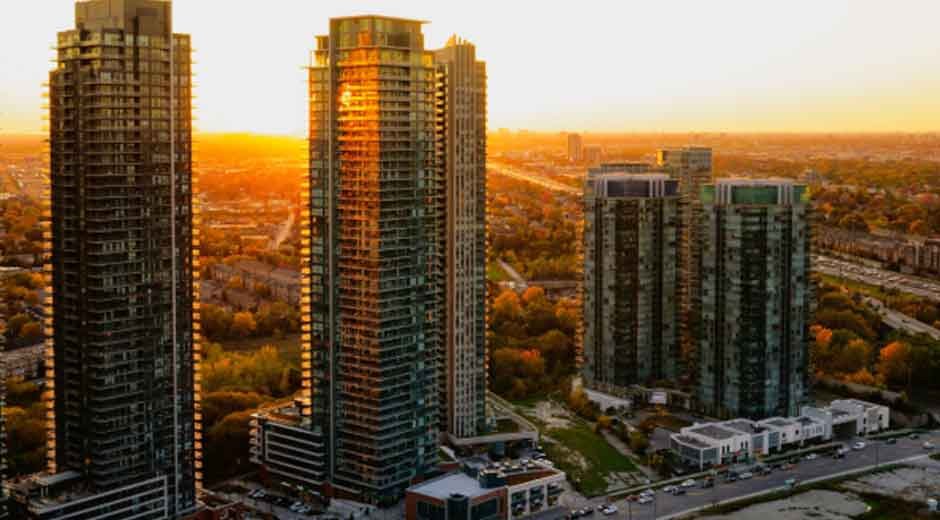
Buying a condominium is a significant financial and lifestyle decision. Condos attract buyers looking for convenience, urban access, and shared amenities without the upkeep of a detached home. However, purchasing a condo involves unique financial, legal, and structural factors that differ from traditional homeownership. Whether you’re in the United States or Canada, knowing what to evaluate before making an offer can help you avoid costly surprises and secure a property with lasting value.
This guide breaks down the essential factors every modern buyer should consider, from financial planning and location to building condition and management quality.
1. Understand the Financial Picture
The financial side of condo ownership goes far beyond the purchase price. Before committing, analyze both upfront and recurring costs to ensure the property aligns with your long-term financial plan.
Key financial factors to consider:
- Mortgage and down payment: Most lenders require at least 5–20% down for condos. The rate and approval process depend on the building’s financial stability as much as your own credit profile.
- Condo fees: Also known as HOA (Homeowners Association) fees in the U.S. or strata fees in Canada, these cover maintenance, insurance, and shared utilities. Review what’s included; some cover heat and water, others only maintenance.
- Reserve fund health: A well-funded reserve means the condo corporation can handle major repairs (roofing, elevators, HVAC) without issuing special assessments. Ask for recent financial statements to see if the reserve is adequately maintained.
- Property taxes and insurance: Condos generally have lower property taxes than detached homes, but you’ll still need individual unit insurance to cover interior damages and liability.
Tip: Lenders often evaluate the financial condition of the entire condo corporation. A building with outstanding debts or poor reserves may affect your mortgage approval.
2. Location, Accessibility, and Neighbourhood Quality

Location remains the strongest determinant of property value. Whether buying in Toronto, Vancouver, Chicago, or Miami, choosing the right area impacts resale value and daily living quality.
What to evaluate:
- Proximity to amenities: Look for easy access to public transit, grocery stores, schools, and workplaces. Urban buyers often prioritize walkability and nearby green spaces.
- Neighbourhood trends: Investigate local property appreciation rates and development plans. New infrastructure or commercial projects nearby can raise long-term value.
- Noise and safety: Visit the property at different times of day to assess traffic, crowd activity, and overall safety.
- Future development: Check municipal zoning maps for upcoming construction that could affect your view, privacy, or property value.
When narrowing options, consider finding a condo with a local realtor who knows area-specific pricing patterns and can identify undervalued buildings with strong investment potential.
3. Evaluate the Building and Unit Condition
The physical state of both the building and your individual unit directly influences livability and maintenance costs. Unlike detached homes, condo owners depend on shared infrastructure, which makes building condition critical.
Building-level inspection points:
- Age and materials: Older buildings may have outdated plumbing or electrical systems. Ask about recent upgrades or repairs.
- Maintenance history: Request the last building and pest inspections or engineering report to see how management addresses issues.
- Amenities and usage: Pools, gyms, and concierge services add convenience but also raise condo fees. Determine if you’ll actually use them.
- Security features: Verify controlled entry systems, cameras, and on-site personnel availability.
Unit-level inspection points:
- Sound insulation: Noise transfer between units can be a major issue in older properties.
- Ventilation and lighting: Proper airflow and natural light improve comfort and resale appeal.
- Appliance condition: Replacing outdated or inefficient appliances adds immediate cost post-purchase.
- Balcony or outdoor space: Inspect railings and water drainage systems to prevent future repairs.
Always conduct an independent home inspection before finalizing your offer. Even newer buildings can have construction defects or poor maintenance histories.
4. Review the Condo Association and Rules
The condo association governs the community and enforces policies affecting every resident. Understanding its structure and rules is vital for financial transparency and personal comfort.
What to look for:
- Rules and bylaws: Some buildings restrict pets, rentals, or renovations. Review these before buying to ensure they match your lifestyle.
- Board competence: A strong, transparent board ensures the building’s long-term stability. Look for consistent meeting minutes, clear communication, and recent audits.
- Reserve fund reports: Ask for the latest reserve study to gauge how prepared the association is for upcoming repairs.
- Insurance coverage: The association should carry master insurance for common areas and structural components. Confirm your unit’s portion of responsibility.
- Owner vs. renter ratio: A building with too many rental units may have higher wear and lower community engagement, which can reduce resale value.
If the condo is in a city with recent building code updates or regulatory changes (common in both the U.S. and Canada), ensure the association is compliant. Non-compliance can lead to special assessments or insurance issues.
5. Think Long-Term: Resale and Market Trends
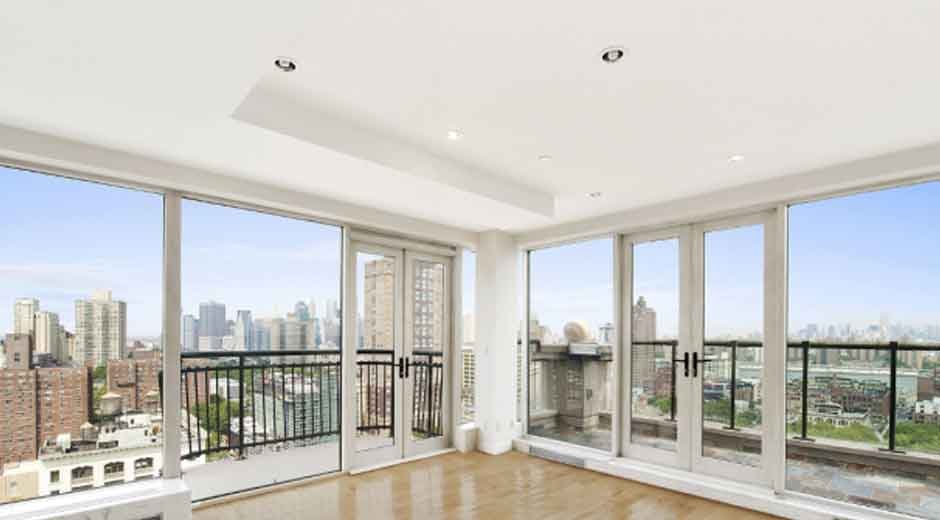
Condos typically appreciate more slowly than detached homes, but strategic selection can still produce strong long-term returns. Market cycles, neighbourhood growth, and demographic demand all affect appreciation.
Long-term factors to evaluate:
- Building reputation: Established, well-maintained complexes hold value better than new developments with unresolved issues.
- Demographics: Buildings catering to professionals, students, or retirees may experience different resale dynamics.
- Local economy: Cities with growing job markets and infrastructure investment tend to maintain higher property values.
- Unit size and layout: Open layouts and good natural light appeal universally, boosting resale interest.
A forward-looking mindset helps ensure your purchase remains financially sound even as lifestyle or market conditions evolve.
Buying a condo is a balance between practicality, foresight, and financial discipline. A successful purchase requires evaluating the full picture: costs, building quality, governance, and future potential. For both U.S. and Canadian buyers, a data-driven approach, supported by local expertise and thorough due diligence, can turn condo ownership into a stable long-term investment rather than a short-lived convenience.
By carefully reviewing financial health, neighbourhood trends, and building management, you can find a property that fits both your lifestyle and financial goals.