Skip to the good bit
ToggleMany responsibilities fall under a hospice nurse’s job description, and each of them goes toward supporting people when they need it most. Today, telehealth services let them help hospice patients on a much faster timeline, which is mutually beneficial for all involved. The strict locational restrictions and long approval processes previously limited who could enroll in hospice care.
For example, you may have to spend significantly more on hospice care in a remote, rural area. This is a big barrier for people who cannot reasonably move to another area to receive the care they desperately need and deserve.
Many families want to support their loved one in hospice care, but their schedule and location prevent it. Telehealth services address that issue and many more. Follow along as we highlight what telehealth has changed about who can access hospice support.
Give Patients Care Access in Rural Areas
Sadly, many people live in remote areas where they can’t easily access the best medical care. For example, someone who lives in a rural area an hour away from the nearest hospital has few options for care. For example, a patient may need immediate care, and the nearest hospice clinician may take over an hour to get there.
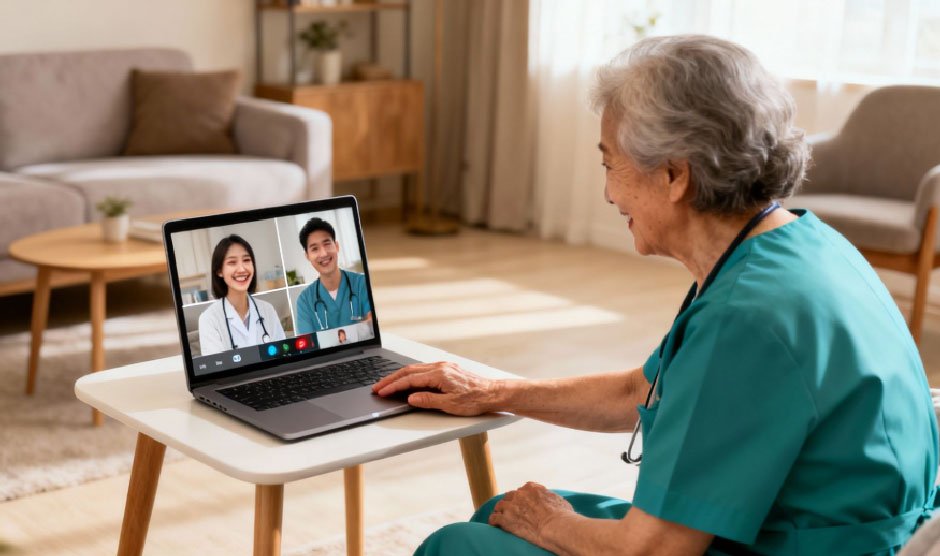
Hospice patients often deal with debilitating pain that makes in-person clinical visits quite difficult. This can also be tough for family members taking their loved ones on clinical visits. Telehealth services let hospice patients get the answers they need without leaving their homes or having someone visit them.
That’s especially true if all they need is a simple medication adjustment. The journey to and from a clinic may also put the patient at risk, especially when dealing with debilitating breathing conditions, such as COPD and lung cancer. Modern telehealth services eliminate much of this unnecessary strain and support patients in rural areas.
Help Family Members Coordinate Care
Not everyone lives close to their struggling family member, which can make care coordination difficult. Even if you live near your loved one, your work schedule may prevent you from being as present as you’d like. Luckily, telehealth services let you coordinate hospice care for your ill loved ones without relying on second-hand information.
You can easily join a telehealth call with your loved one to get updates from the care provider. This leaves little to the imagination and ensures you know what’s going on at all times. If needed, you can also help guide your loved one through the telehealth call and help advocate for them.
This removes the unnecessary stress of wondering if your loved one is receiving the best possible care. It helps to approach the telehealth call with a plan so you can ask everything you need. Your loved one will appreciate this as they may have little energy to dedicate toward telehealth calls.
Fast-Track the Process
Long wait times and strenuous application processes sometimes gatekeep families from enrolling a loved one in hospice care. However, enrolling in a telehealth hospice care program is often much faster than a traditional program. That way, you can help your loved one receive the care they need as soon as possible without being beholden to long wait times.
The nearest brick-and-mortar hospice service may not be ready to accommodate you and your loved one for months. That’s not a problem with telehealth services, and sharing electronic health records makes the process even easier. A face-to-face evaluation may be necessary at first in some cases, but that’s a small price to pay.
Doctors and nurses can remotely review records and applications to fast-track the process. After that, you can rely on telehealth calls and caregivers visiting the home. This not only helps the ill patient, but also helps their family during such a tough time.
Easier Recertification Process
Once in hospice care, patients must undergo a recertification process several times. This time can be stressful and leave patients feeling uncertain about their future in hospice care. Today, telehealth services make this process as easy as it should have already been.
This authoritative oversight may understandably make many people feel wary about entering hospice care. When using a telehealth service, you can undergo this process through telehealth check-ins. If the strict recertification process turns you off hospice care, know that telehealth makes it much easier.
Telehealth Has Changed Hospice Care for the Better
Hospice care is a valuable gift to people struggling with debilitating illnesses, but it isn’t always easy to get into. Today, telehealth eliminates the locational restrictions that many patients who need hospice care face. This opens the door to people receiving hospice care in rural areas and remote communities without many options.
Telehealth is also helpful for the families of hospice patients who cannot easily attend their loved ones’ appointments. By reducing the stress on hospice patients, telehealth services help people gain more peace during a difficult time.