
Skip to the good bit
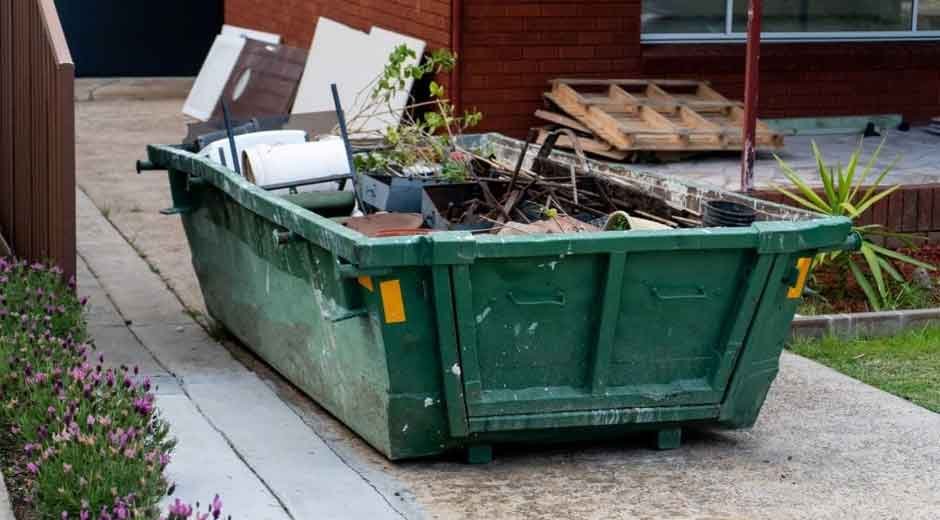
ToggleWaste looks simple from the outside. A few bags here, a cardboard stack there, maybe a broken stool that sits in the corner longer than anyone planned. Most small businesses move through the week without paying much attention to how rubbish builds. It creeps in slowly. A box leaning against another box. A staff member pushing something out of the way. The odd smell from wet packaging after a rainy delivery. All of this becomes part of the background noise until the day it becomes a problem. That moment usually leads to someone searching for a service to hire skip bin melbourne only after things have piled too high.
Good waste management is less about doing things perfectly and more about noticing the patterns that keep repeating. A lot of small businesses miss those patterns because the day moves fast, and rubbish feels like a small detail. The truth is that small details are the ones that break routines when they go wrong.
The Bin Size Trap That Catches Businesses Off Guard
A bin looks large when it is empty. Most people overestimate how much space they have until the moment the last few items wobble on top. It happens in offices, in cafes, in small workshops. Everything seems fine on Monday, then by midweek someone tries to cram cardboard into the side because the bin lid will not close properly. Once that happens, things feel messy.
Business owners often think the waste volume will stay predictable, but it rarely does. A busy day, a new shipment, a holiday rush, and suddenly the bin is overflowing. Overfilled bins cause more trouble than expected. Crews sometimes refuse pick up. Stray rubbish blows around the laneway. Neighbours complain. The staff start stacking things in hallways because there is nowhere else to put them. It only takes one underestimated bin size to throw off a whole week.
Sorting Sounds Easy Until Chaos Hits the Bin
Sorting waste on paper looks simple. Cardboard in one place, general rubbish in another, and maybe a dedicated spot for heavier scraps. In real workplaces, it rarely plays out that neatly. People toss things into whichever bin is closest because the shift is busy or because the difference between plastic and mixed recycling feels small in the moment.
Contamination builds quietly. One greasy food tray in a pile of cardboard. A leaking bottle pressed against soft packaging. A battery slipping unnoticed into general waste. Later, disposal facilities identify the contamination and charge for extra sorting. No one remembers who tossed what where, only that the bill looks higher than expected.
Sorting becomes one of those small habits that saves money when done well, yet it is the first thing to collapse when a workplace gets frantic.
Overloading Creates Trouble No One Wants
A skip bin looks strong enough to hold anything, but weight behaves differently than volume. Heavy materials like tiles, bricks, metal scraps, or old shelving add up faster than people think. A bin half full of heavy items can weigh more than a full bin of light waste.
When a bin is too heavy for collection, everything slows down. Drivers cannot lift it safely. A second bin may be required. Staff might need to climb in and pull items out piece by piece. It is exhausting and often a little embarrassing, especially when the workplace already feels cluttered. Overloading rarely happens on purpose. It happens because people are guessing weight by sight alone, which is rarely accurate.
Hidden Fees Create Frustration Later
On the surface, skip hire looks straightforward. Pay for a bin, fill it, and wait for collection. The reality gets complicated when small details go unnoticed. Extended hire periods, contaminated loads, prohibited items, overweight bins, or bins filled above the rim all trigger extra charges. Businesses often do not read the fine print until the invoice arrives. By then it feels like the cost tripled without warning.
Most of these fees exist for legitimate reasons. Even so, they surprise businesses that focused only on the initial price. Transparency in service matters, and skipping that transparency becomes a silent financial trap.
Environmental Rules That Slip Through the Cracks
Waste rules shift faster than many businesses realise. Regulations around e waste, chemicals, construction debris, and even food waste continue to tighten. Small businesses juggling multiple tasks sometimes miss updates about what can and cannot be placed in standard bins. A simple mistake can lead to fines or rejected loads.
Customers notice environmental habits more than before. Overflowing bins or mixed rubbish create a poor impression that lingers longer than the smell of wet cardboard after a storm. Clean waste routines send a quiet but powerful message about professionalism.
A Good Skip Bin Changes Workflow Quietly
Workplaces run smoother when waste has a predictable path. Staff move faster when they do not step around broken furniture or squeeze past piles of flattened boxes. Clear disposal areas reduce accidents, improve hygiene, and help everyone focus on work instead of clutter.
The right skip bin size, combined with a realistic pick up schedule, creates rhythm. Waste flows out at the same pace it comes in. No surprises. A cleaner workplace feels strangely lighter. People notice it in small moments, like having space to move equipment or reaching for supplies without knocking something over.
Reputation Lives in the Details People Rarely Mention
A tidy disposal area shapes how customers and suppliers see a business. Clean surroundings signal that a business pays attention, even in the background. Untidy waste areas send the opposite message. People may not comment, but impressions form quickly.
When rubbish is handled properly, the business looks capable. When a skip bin is too small or too chaotic, the surroundings look neglected. It is surprising how many opinions grow from something as simple as waste.
Prevention Costs Less Than Cleanup
Almost every expensive waste mistake begins with something preventable. Extra trips for overflowing bins. Fees for mixed waste. Delays because a bin is too heavy. Staff losing time moving debris around the workplace. Cleanup always costs more than prevention.
A properly chosen skip bin prevents most of these issues before they begin. It offers predictable costs, smoother workflow, and fewer unpleasant surprises. Over time, the savings become visible in cleaner invoices and calmer weeks.
Conclusion: The Right Skip Bin Keeps the Whole Place Steady
Waste is not the glamorous part of running a business, but it affects almost everything around it. When rubbish piles up, work slows down. When bins overflow, frustration rises. When disposal rules are ignored, costs stack up in ways no one enjoys. Choosing the right skip bin simplifies the entire chain. It protects budgets, prevents stress, and keeps the workplace organised in a way that feels naturally efficient. A small choice becomes a steady foundation, and most businesses only realise the value once the system finally works the way it should.
FAQs
Q1: Why do small businesses misjudge skip bin size?
Most judge by appearance rather than volume, and waste often increases during busy periods.
Q2: How does poor sorting increase costs?
Mixed loads require additional sorting at the facility, and contaminated waste triggers extra handling fees.
Q3: What happens when a skip bin is overloaded?
Drivers cannot lift it safely, leading to delays, extra labour, or the need for a second bin.
Q4: Are hidden fees avoidable?
Yes. Most come from overfilling, incorrect items, or extended hire, all of which can be prevented with proper planning.
Q5: How does waste disposal affect business reputation?
A tidy disposal area shows professionalism, while messy or overloaded bins create a negative impression.