

Hair extensions are a popular way to add length, volume, or even color without permanent commitment. However, many people underestimate the care required to keep them looking fresh. Proper maintenance is not just about washing and brushing—it’s a combination of daily, weekly, and professional routines that ensure your extensions remain smooth, tangle-free, and long-lasting.
Understanding what is the maintenance for hair extensions is key to protecting your investment and avoiding premature shedding or matting. Whether you’re new to extensions or a seasoned wearer, following a structured routine can make a dramatic difference.
For a deeper dive into keeping your extensions in top condition, see Tips for keeping your hair extensions healthy.
Daily Hair Extension Care
Daily routines play a huge role in maintaining the look and longevity of your extensions. Here’s a breakdown of essential steps:
- Gentle Brushing: Use a soft, wide-tooth comb or a special extension brush. Start from the ends and work your way up to the roots to prevent pulling or loosening bonds.
- Avoid Excessive Heat: Frequent use of flat irons or curling tools can damage both natural hair and extensions. Always apply a heat protectant and keep styling tools at a moderate temperature.
- Sleep Care: Tie hair in a loose braid or ponytail before bed to prevent tangling. Consider using a silk or satin pillowcase to reduce friction.
- Minimal Pulling: Be mindful of hairstyles that tug on extensions, such as tight buns or high ponytails, which can stress bonds and cause breakage.
- Moisturize: Hair extensions don’t receive natural oils from the scalp in the same way as natural hair. Lightly applying leave-in conditioner or extension-friendly oils to mid-lengths and ends can prevent dryness.
Daily attention to these small details ensures your extensions remain soft, shiny, and manageable.
Weekly Hair Extension Maintenance
While daily care keeps your extensions tangle-free, a weekly routine addresses deeper issues like buildup, alignment, and scalp health.
- Washing: Use sulfate-free shampoos and conditioners designed for extensions. Apply conditioner only to the mid-lengths and ends to prevent loosening the bonds at the roots.
- Detangling: After washing, gently comb through while the hair is damp. Avoid brushing wet hair aggressively, as it can stretch and damage extensions.
- Deep Conditioning: Once a week, use a nourishing hair mask or deep conditioner to maintain softness and luster. Leave the mask on for 10–15 minutes and rinse thoroughly.
- Check Bonds: Inspect your extensions for any loose bonds or tension. Catching these early can prevent further slippage or damage.
Following a weekly schedule in addition to your daily routine ensures that extensions stay vibrant and tangle-free for months.
Hair Extension Maintenance Tips Professionals Recommend
Stylists who work with hair extensions regularly emphasize the importance of preventive care. Here are professional insights for maintaining your extensions:
- Limit Chemical Treatments: Bleaching, coloring, or perming extensions can weaken bonds and reduce lifespan. If you want color changes, consult a professional to avoid damage.
- Regular Salon Visits: Most types of extensions require professional tightening, repositioning, or removal every 6–8 weeks. A visit to a hair salon westminster ensures your extensions are correctly maintained.
- Avoid Overwashing: While cleanliness is important, overwashing can strip moisture and weaken adhesive or tape-in bonds. Two to three gentle washes per week is usually sufficient.
- Use Extension-Friendly Products: Many shampoos and conditioners contain sulfates, parabens, or heavy oils that can break down bonds. Stick to products formulated for hair extensions.
- Protect from Environmental Damage: Sun exposure, chlorine, and saltwater can damage extensions. Wearing a hat, applying UV protectant sprays, or rinsing immediately after swimming can prevent fading and dryness.
Professionals often remind clients that a consistent routine at home is just as crucial as salon care for maintaining hair extensions.
How to Brush and Style Hair Extensions
Proper brushing is a cornerstone of extension upkeep. Here’s a step-by-step guide to avoid tangles and breakage:
- Start from the Ends: Always begin brushing at the tips and gradually work up toward the roots.
- Separate Sections: Work in small sections rather than tackling all hair at once.
- Use the Right Tool: Soft-bristle brushes or extension-specific combs minimize stress on bonds.
- Detangle After Washing: Wet hair is more prone to breakage, so gently detangle with a comb while damp, using a leave-in conditioner to aid smoothness.
For styling, avoid high-heat tools on bonds, and prefer low-temperature curling irons or rollers. Updos should be loose to prevent pulling at attachment points.
Common Mistakes in Hair Extension Maintenance
Even minor oversights can lead to significant damage over time. Here are some mistakes to watch out for:
- Sleeping Without Securing Hair: Tossing and turning at night can cause tangles and matting.
- Using Regular Hair Products: Shampoos with sulfates, heavy oils, or alcohol can deteriorate bonds.
- Skipping Professional Checkups: Extensions can loosen or shift, and delaying salon visits reduces their lifespan.
- Neglecting Scalp Health: Clean scalp and proper hydration are crucial for healthy-looking hair and secure bonds.
Avoiding these mistakes ensures your hair extensions remain smooth, shiny, and long-lasting.
Maintaining Different Types of Extensions
Different hair extension methods require slightly different care routines:
- Tape-In Extensions: Avoid conditioners near the tape area, and wash gently. Retape every 6–8 weeks.
- Sewn-In Weaves: Moisturize the scalp to prevent dryness. Ensure braids or cornrows are not too tight to avoid traction damage.
- Clip-Ins: Easy to remove and require minimal care, but store them properly when not in use to avoid tangles.
- Fusion or Keratin Extensions: Avoid oil-based products near the bonds and schedule professional maintenance every 8–12 weeks.
Knowing the type of extensions you have helps tailor your daily and weekly routine effectively.
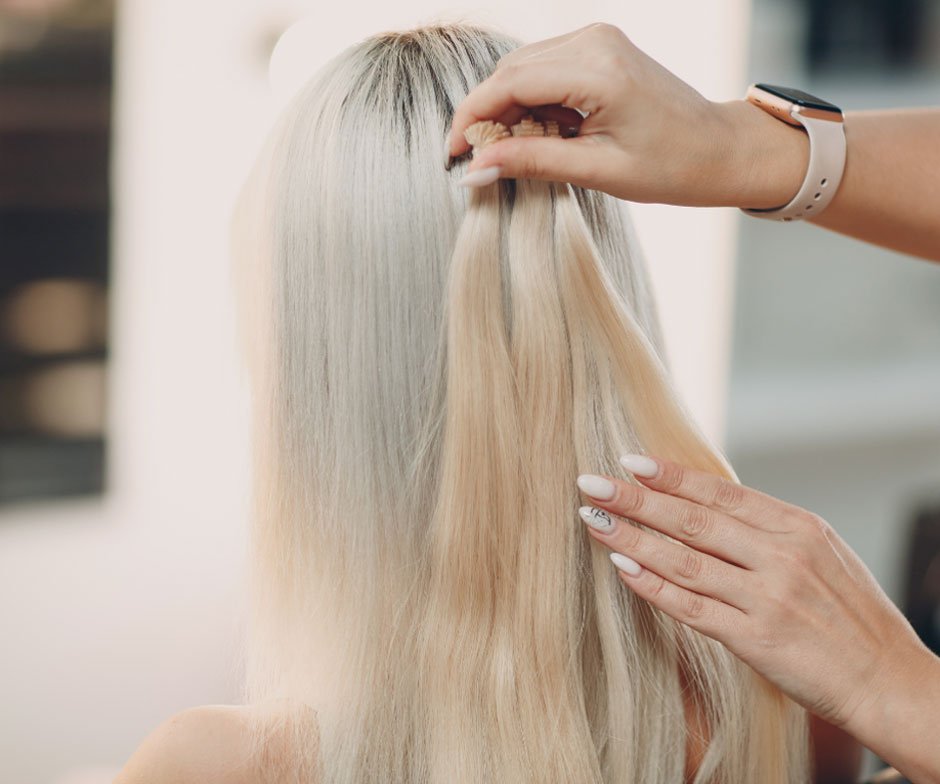
How to Extend the Life of Hair Extensions
Extending the lifespan of extensions requires consistent care and attention:
- Follow a Routine: Stick to daily and weekly maintenance steps.
- Avoid Excessive Styling: Limit heat and harsh chemical treatments.
- Store Properly: When not in use, store clip-ins in a clean, dry place.
- Monitor for Damage: Check for split ends, dryness, or slipping bonds and address issues promptly.
By implementing these strategies, most extensions can maintain their appearance for 3–6 months or longer, depending on the type and quality.
Conclusion
Proper hair extension maintenance goes beyond simple brushing or washing. It’s a combination of daily routines, weekly care, and professional guidance that ensures extensions remain soft, shiny, and tangle-free. From gentle detangling to limiting heat and scheduling salon visits, each step contributes to their longevity and overall appearance.
For further guidance on keeping your extensions in excellent condition, check out Tips for keeping your hair extensions healthy. Regular salon visits, like those at a trusted hair salon westminster, help maintain the integrity of extensions and prevent damage. By committing to a consistent routine, you can enjoy beautiful, long-lasting extensions that complement your natural hair.
FAQs
Q1: How often should I wash my hair extensions?
A: Two to three times per week is usually sufficient. Overwashing can dry out extensions and weaken bonds.
Q2: Can I use regular hair products on my extensions?
A: It’s best to use sulfate-free and extension-friendly products. Regular shampoos with harsh ingredients may damage bonds or tape-in adhesives.
Q3: How do I prevent tangling while sleeping?
A: Tie your hair in a loose braid or ponytail and sleep on a silk or satin pillowcase to minimize friction and tangling.





