Skip to the good bit
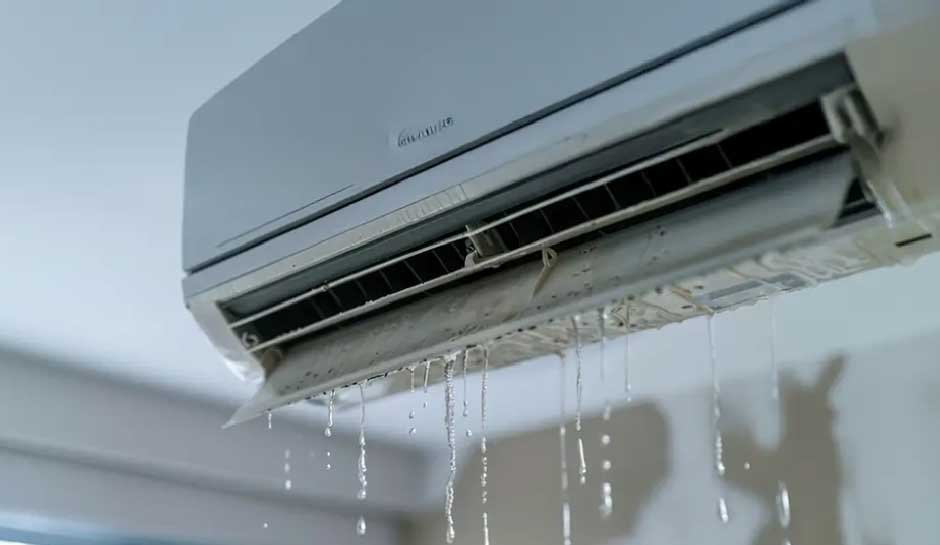
ToggleAn air conditioner is supposed to keep your home comfortable, not leave puddles on the floor or water stains on the ceiling. But leaky air conditioners are among the most common problems homeowners encounter, especially during times of heavy use in summer.
At first, a leak appears to be minor. It is very easy to overlook a small amount of water near the indoor unit. But an AC leak can cause mould, damaged walls, bad smells and expensive repairs over time.
Many people think that leaks only occur with old systems, but this is not always the case. Even brand-new units can develop problems if they are not maintained or installed properly. That is why regular servicing matters. Getting a scheduled air conditioning service in Sydney is a great way to catch problems early before they turn into bigger and more expensive problems.
What it Means When There’s a Leak From an Air Conditioner
Air conditioners naturally produce moisture while cooling indoor air. As warm air passes through the system, condensation forms on the evaporator coils. Normally, this water drains safely through a pipe and away from the unit.
However, when something interrupts that process, water begins collecting where it should not. That is when leaks start to appear inside the home.
A leaking air conditioner does not always mean the entire system has failed. Sometimes the problem is simple and can be fixed early before it becomes more serious.
Why Lack of Maintenance Can Cause an AC to Leak
Many homeowners ask, “Why do aircons leak?”, and in many cases, the answer comes down to neglect. Over time, dust and debris slowly affect how the system operates.
Dirty Filters Restrict Airflow
When filters become clogged, air struggles to move through the system. This can cause the evaporator coil to become too cold and freeze over. Once the ice melts, the excess water may overflow from the drain tray and leak inside the home. This issue becomes quite common during the summer when systems run for longer hours every day.
Blocked Drain Lines
Condensate drain lines carry moisture safely away from the air conditioner. However, dirt, mould, algae, and debris can build up inside the pipe over time. When this happens, water starts backing up into the unit instead of draining outdoors. Blocked drain lines are one of the most common causes of an AC leak, especially in systems that have gone long periods without servicing.
Drain Pans Wear Out Over Time
Older air conditioners sometimes develop rusted or cracked drain pans. Since the pan is responsible for collecting condensation, any damage can allow water to escape underneath the unit.
While this issue is more common in ageing systems, regular inspections can help spot the problem before serious leaking occurs.
Installation Quality Matters More Than People Think
Many people focus heavily on the brand of the air conditioner but overlook the importance of proper installation.
An incorrectly installed unit can create problems from the very beginning. For example:
- If the indoor unit is not level, water may drain improperly
- Loose connections can allow moisture to escape
- Incorrect pipe placement may cause water to back up
- Poor sizing can place extra stress on the system
Even high-quality air conditioners can struggle if installation is rushed or poorly handled. That is why experienced technicians play such an important role in long-term system performance.
Could Refrigerant Be the Problem?
Sometimes, leaking water is actually a symptom of a deeper issue involving refrigerant. Low refrigerant levels can reduce pressure inside the system, causing the evaporator coil to freeze. Once the ice melts, the drain system becomes overwhelmed with excess water.
Signs that refrigerant could be involved include:
- Reduced cooling performance
- Hissing sounds
- Ice forming on the unit
- Longer running times
- Higher energy usage
Because refrigerant handling requires licensed professionals, this is not something homeowners should attempt to fix themselves.
What Happens When AC Leaks Are Ignored?
Some people place a towel under the leak and continue using the system, hoping the problem will disappear on its own. Unfortunately, leaks rarely fix themselves. Even a small amount of leaking water can lead to bigger issues throughout the property.
Mould Can Spread Quickly
Moisture trapped inside walls, ceilings, or carpets creates the perfect environment for mould growth. This can affect indoor air quality and produce bad odours throughout your home.
For families with allergies or respiratory conditions, this may become a health concern.
Water Damage Can Become Expensive
Leaking water can weaken paint, plaster, timber, and insulation over time. In severe cases, ceilings would stain or begin sagging from excess moisture.
Repairing structural damage is usually far more expensive than addressing the original leak early.
Higher Running Costs
A struggling air conditioner consumes more electricity while delivering weaker cooling performance.
That is one reason many homeowners arrange an air conditioning service in Sydney before peak summer periods arrive.
What Homeowners Can Do Between Professional Services
Professional maintenance is important, but there are also a few simple habits that can help reduce the chance of leaks developing.
Helpful Maintenance Tips
- Clean or replace filters regularly
- Keep vents free from dust and furniture blockage
- Watch for unusual sounds or smells
- Check for moisture around the indoor unit
- Schedule annual inspections before summer
These small steps can improve airflow, reduce strain on the system, and help prevent future issues.
If leaking continues after cleaning the filters or if water damage becomes visible, professional help is the safest option.
A qualified professional can identify the source of the leak, repair damaged components, and ensure the system operates safely moving forward.
Conclusion
A leaking air conditioner is more than just an inconvenience. It is usually a sign that the system needs attention before more serious damage occurs.
Whether the cause is dirty filters, blocked drain lines, low refrigerant, or poor installation, addressing the issue early can help prevent expensive repairs later on.
Regular maintenance remains one of the most effective ways to protect both the air conditioner and the home itself. Keeping the system clean, efficient, and professionally serviced can reduce breakdowns, improve cooling performance, and minimise the risk of another leak.