Skip to the good bit
ToggleA calm, practical walkthrough of what actually happens in the minutes after a DUI traffic stop, and why staying calm matters more than people think.
Getting pulled over is one of those moments that turns an ordinary drive into a stressful blur, and if the officer suspects impaired driving, that stress multiplies fast. Most people have never rehearsed what to actually do in that moment, which is exactly why so many mistakes happen in the first sixty seconds. If you ever need to consult an impaired driving lawyer in Toronto, understanding this process ahead of time can make a real difference in how the rest of the situation unfolds.
The First 60 Seconds Matter More Than You’d Think
Officers are trained to observe behavior from the moment lights go on. Fumbling for documents, overly rehearsed calm, or visible panic can all become part of an officer’s notes later. None of that means anything is wrong, it’s simply human, but it helps to know it’s being observed.
- Pull over smoothly and signal clearly before stopping.
- Keep hands visible on the wheel.
- Have documents ready before the officer reaches your window, if it’s safe to do so.
Why Officers Ask the Questions They Do
“Where are you coming from tonight?” isn’t small talk. It’s an evidence-gathering question, and how it’s answered gets written down. This isn’t a reason to be rude or evasive, just a reason to be aware that casual conversation at a traffic stop isn’t actually casual.
| Officer Question | What It’s Really Assessing | |—|—| | “Have you had anything to drink?” | Direct admission, tone, coherence | | “Where are you headed?” | Consistency, cognitive clarity | | “Can you step out of the vehicle?” | Physical coordination, balance | | “Do you know why I stopped you?” | Awareness, honesty, defensiveness |
Field Sobriety Tests Are Voluntary, But Complicated
Standardized field sobriety tests, walking a line, standing on one leg, following a pen with your eyes, are widely used but not universally reliable. Fatigue, nerves, medical conditions, and uneven pavement can all affect performance in ways that have nothing to do with alcohol. Knowing this doesn’t mean refusing cooperation outright is the right move in every case; it means understanding that these tests carry more subjectivity than most people assume.
The Breathalyzer Question
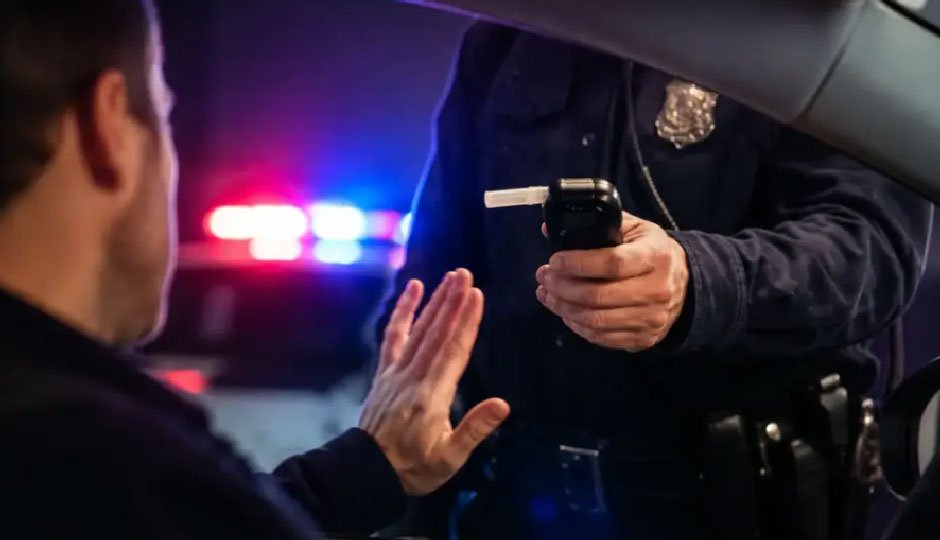
In most Canadian jurisdictions, refusing a roadside breath sample when lawfully demanded carries its own serious penalties, often comparable to a failed test itself. This is one of the more misunderstood parts of impaired driving law: people sometimes think refusing is a clever way to avoid evidence, when in practice it usually creates a separate charge entirely.
What To Actually Say (And Not Say)
- Be polite and cooperative on basic logistics, license, registration, insurance. 2. Avoid volunteering extra details about your evening beyond what’s asked. 3. Don’t argue the law at the roadside. That conversation belongs somewhere else entirely, with someone who actually knows the law. 4. Ask calmly whether you’re free to go, if the stop feels like it’s dragging without clear cause. 5. Remember details afterward while they’re fresh, time, location, what was said, badge number if visible.
After the Stop: The Part Nobody Talks About
Whether or not charges follow, the period right after a stop is when memory is sharpest and decisions matter most. Writing down what happened, contacting someone who can walk through the legal side, and avoiding the urge to discuss the incident publicly (yes, that includes social media) all matter more than people expect in the moment.
FAQ
Do I have to answer “have you been drinking” honestly? You’re not required to self-incriminate, but how a question is handled, confused, evasive, aggressive, all gets noted and can matter later.
Can nervousness alone look like impairment? Yes. Anxiety mimics several of the same physical signs officers are trained to look for, which is part of why these stops are so often misunderstood from the outside.
Is every DUI stop the same? No. Jurisdiction, officer discretion, and specific circumstances all vary the process meaningfully.
References
- Government of Canada – Impaired Driving Laws
- Mothers Against Drunk Driving Canada
- Canadian Centre on Substance Use and AddictionV