
Skip to the good bit
ToggleOn the surface, building a custom home seems pretty straightforward; you create a wish list, someone assembles it, and within months you’re handed the keys to your dream castle. The reality is that there is much more behind the scenes than most average people anticipate. Building a custom home happens over the course of many months (sometimes over the course of a year), with thousands of decisions made, and many professionals and tradespeople involved, communicating each step of the way.
Understanding what it means to genuinely build a custom home helps foster better expectations. Sometimes it’s just easier to know what’s coming next on the timeline so that it doesn’t feel as overwhelming.
It Takes Longer to Prepare Than You Think
Before you break ground, there’s a lot of preparation to assess and finalize before bringing your custom home dreams to fruition. Expect a two-to-three month planning process before you even get going.
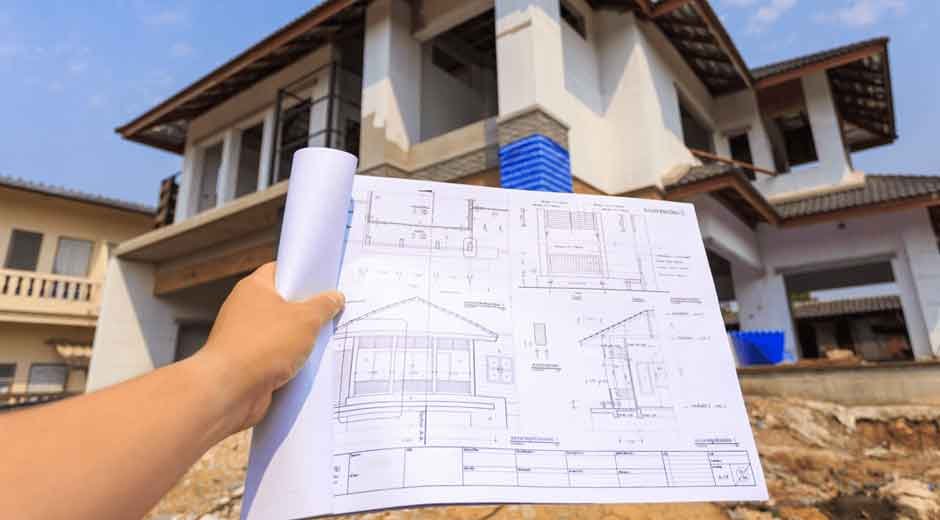
For instance, there’s a lot of design work that needs to be done. Your imagination may have laid out every square foot of your ideal home but translating those dreams to paper requires architects/designers for this part of the project. They need to draw up plans for actual square footage, placement of walls, electrical outlets, etc. This means intensive direction with lots of changes along the way, as well as potential revisions down the line when it’s time to submit for permitting.
Submittals differ by jurisdiction, with some towns and cities approving faster than others. Plans must meet building codes and zoning requirements (and potentially homeowner association restrictions if applicable). Therefore, any missing components or revisions will need to be acknowledged and resubmitted.
In addition, construction contracts need finalizing and costs determined. Builders must be aware of current material prices, labor considerations, and site specific needs. Knowing how to avoid potential pitfalls ahead of time involves working with a trusted builder like J&K Custom Homes so that no stone is left unturned during this vast preparation phase.
Once permits are issued and everything’s a go, it’s time to get to work!
Let’s Go to Work (On Everything But the Structure)
Unfortunately, the first step in construction isn’t actually constructing the home itself; it’s clearing the land. And no, this doesn’t mean chopping down a few trees; it means grading the lot, determining property lines, where the house will go and how it will be positioned on the property (as well as grading concerns for drainage). Any poor grading now will translate into water issues later on.
In addition, depending on the property, utilities need to be run – extended water/sewer lines; septic systems/well digging; electric/gas must reach the property where a home will be constructed. These are not instant processes – utility companies work on their own timelines.
Once grading is complete it’s time for foundation installation. Will it be a slab? Crawl space? Full basement? Each poses its own timeframe and costs. In addition, concrete must cure before framing can begin – which means more built in waiting times for builders looking to get started.
Let’s Get to Framing!
Finally, once a solid foundation is complete, framing can begin which brings your designs to life! Framing is one of the quickest parts of assembly; an experienced crew can frame a typical house in a few weeks’ time.
Framing includes all exterior and interior walls, floor systems, roof trusses. From this point you can walk through your new home and experience room sizes and how everything connects. This is still an opportunity to make a few changes without major cost but it will cost you – it’s recommended to work all these kinks out ahead of time.
Furthermore, framing helps protect against weather with roof sheathing/exterior sheathing followed by any necessary weather barriers – and maybe even roofing material itself. Dried-in framing will protect other materials going in from weather damage.
Windows/exterior doors are typically framed in during or immediately after framing so that they’re ready to go once everything is complete and can remain waterproof while interior construction takes place regardless of what happens outside.
Systems Go In
Once protection from the elements is secured, it’s time for rough-in installations of all systems that make a home a home. Unfortunately this means different tradespeople work in series with each other – and sometimes their schedules don’t align making for delays.
Rough-in plumbing happens first; plumbers install all pipes running through walls/floors – the supply lines, drain lines, vent stacks. They use installation plans to a degree but also have to navigate what’s already framed in so placement makes sense in real-time.
Rough-in electrical happens in similar timing pattern. Electricians run wires through walls; they punch boxes into walls where switches and outlets will go; they connect everything at the main electrical panel (which has many days connected to it due to modern electrical needs).
HVAC ductwork runs throughout as the equipment gets placed in designated locations within the home. Properly designed HVAC systems will impact comfort levels and energy costs for years; this system needs proper attention!
Insulation Happening Now
After systems are installed insulation occurs. Insulation dictates energy efficiency so pay attention!
Then comes drywall which transforms how a home looks – what was once an open air situation with studs/wires/staples everywhere is now becoming an actual home with rooms thanks to drywall on ceilings/walls that are finally smooth. For most jobs this part takes several weeks (installation/taping/mudding).
This is where imagination meets reality – for better or worse; what seemed spacious on paper may seem tight or awkward in real life – and that’s okay because nothing’s painted or decorated yet.
Final Touches
The last phase of home construction occurs now as everything that’s necessary for living occurs – flooring goes down (hardwood/tile/carpet/etc.), cabinets/counters go into kitchens/bathrooms; interior doors are hung and trimmed.
Painting occurs toward the end (but not too late) so walls aren’t damaged by other finishing efforts – all too often colors chosen months ago look cheap or shoddy/disheveled on walls because they weren’t accounted for properly with assembly; builders allow for adjustments here because mistakes happen.
Finally fixtures are installed – plumbing fixtures; light fixtures; outlet covers; door hardware. Individually they don’t take that much time but cumulatively they add weeks’ worth of value!
At this time there’s a punch list made-up – a list of small things needing adjustment (paint touch-ups; small tweaks; items acknowledged but no longer able to be resolved). It’s wise that if your punchlist hasn’t been resolved by your move-in date then you won’t officially live in your new home until everything’s finished.
Realities About Timeline/Expectations
The average custom home takes 8-12 months post-permit approvals although this can extend if there’s extensive design or complicated site/accessibility concerns. Weather delays are guaranteed somewhere along the line – rain/cold/extreme heat all stall certain types of work.
The secret to enjoying this process is understanding it’s not linear; some weeks see big visual progress while others are behind-the-scenes necessary work that professionals respect but those without homes experience daily frustration.
It’s helpful if your builder gives you regular updates to soften expectations so pitfalls aren’t surprises down the road.
Building a custom home from scratch is probably one of the largest projects most people undertake in their lives. Understanding what’s involved doesn’t make it happen quicker or easier but at least it makes people mentally prepare better during investment/planning stages when reality sets in after it’s all said and done!