
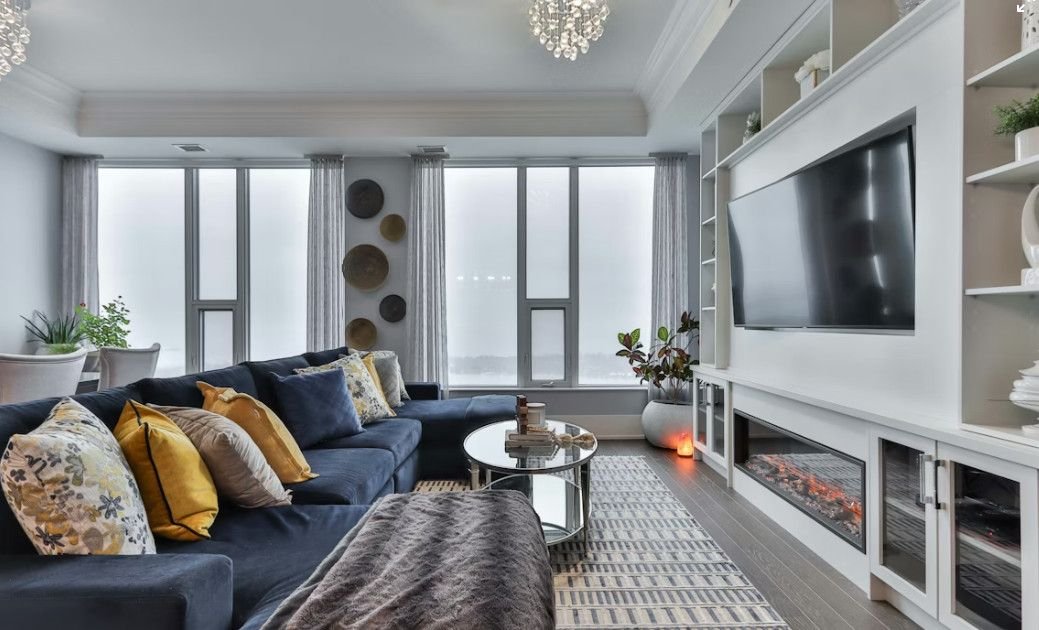
Selling a premium home involves far more than preparing rooms for showings and coordinating with prospective buyers. High end properties come with elevated expectations, unique features, and substantial financial value, all of which require thoughtful protection throughout the selling process. As buyers evaluate architectural details, craftsmanship, and amenities, sellers need to ensure the home remains secure, well maintained, and properly insured from listing to closing. A strategic approach to property protection not only reduces potential risks but also strengthens buyer confidence and supports a smoother transaction.
Understanding the Distinct Risks of Selling a Premium Home
Premium homes often contain luxury finishes, advanced technology, and significant assets that can be vulnerable during showings, inspections, and high traffic open house events. Increased foot traffic means more opportunities for accidental damage, whether from mishandled doors, scratched surfaces, or disruptions to delicate systems. Smart home features or integrated security networks can also be affected when multiple parties enter the property. Sellers should carefully consider how these exposures differ from those of traditional homes. A premium property’s size, amenities, and value require a higher level of protection, planning, and oversight to ensure its condition remains consistent throughout the selling timeline.
Ensuring Insurance Coverage Aligns With Market Conditions
Before listing the home, sellers should conduct a thorough review of their insurance coverage to confirm it reflects the current state and appraised value of the residence. Market fluctuations, recent renovations, and added features may mean existing limits no longer match the property’s true worth. During the showing period, the home may spend more time unoccupied, which can impact how certain policies respond to incidents such as water damage, vandalism, or system failures. This is an ideal moment to evaluate whether high value homeowners insurance is necessary to align coverage with the property’s elevated features and pricing tier. This type of policy typically offers broader protection, higher limits, and expanded options, ensuring that luxury homes remain properly safeguarded even during transitional periods like listing and selling.
Preparing the Home for Showings Without Compromising Security
Presentation plays a major role in the sales process, but showcasing the home should never come at the expense of security. Sellers should begin by cataloging valuables, artwork, and sensitive documents and securing or removing them prior to showings. High value collections, personal records, jewelry, and safes should not be accessible to the general public. For homes equipped with smart locks, climate controls, or surveillance systems, it is helpful to set temporary permissions for real estate agents and limit access to only the areas required for showings. Additionally, clear communication with the listing agent about entry protocols can help ensure that all visitors are properly supervised. These steps protect both the physical property and the seller’s personal privacy.
Coordinating Repairs, Maintenance, and Inspections
Prospective buyers expect premium homes to reflect high standards of care. Sellers should address deferred maintenance and complete necessary repairs before the listing goes live. Routine upkeep becomes even more important while the property is on the market. Regular inspections of heating and cooling systems, roofing, landscaping, and security systems help prevent unexpected issues that could disrupt showings or complicate the sale. If the seller no longer resides in the home, arrangements for scheduled check ins, cleaning, and system monitoring are essential. Ensuring consistent property condition signals to buyers that the home has been well cared for, reduces potential negotiation challenges, and minimizes surprises during buyer inspections.
Maintaining Safety During Buyer Walkthroughs and Negotiations
As the sale progresses, multiple professionals will access the home, including inspectors, appraisers, contractors, and buyer representatives. Each visit presents its own set of risks. Sellers should ensure that pathways are clear, lighting is adequate, and any potentially hazardous areas, such as mechanical rooms or exterior slopes, are clearly marked. In homes featuring pools, spas, or expanded outdoor spaces, safety considerations become even more important. Coordinating all professional visits through the listing agent helps maintain a controlled schedule, minimize overlap, and ensure the property is locked and secured after each appointment. This consistent oversight reduces liability for both sellers and agents while preserving the home’s condition for the next interested buyer.
Conclusion
Premium homes require a higher level of protection during the selling process, and thoughtful preparation can make a meaningful difference. By understanding the unique risks, maintaining proper insurance, securing valuables, completing repairs, and coordinating access with care, sellers create a strong foundation for a smooth and successful transaction. When the property remains safeguarded and well presented, buyers gain confidence, negotiations progress more efficiently, and the home’s value is preserved through closing.