
Developments in the modern high street have meant that there is somewhat of a ‘throwaway culture’ around the items that we buy today. However, there is a growing demand for items that last and quality craftsmanship. People often associate quality craftsmanship with just meaning that something is handmade, but it also refers to the precision, expertise and reliability that comes with the item. The idea of quality craftsmanship should not just be applied to your home, but also your wardrobe, and even your livelihood.
The Heart Of The Home
When looking to invest in a bespoke kitchen, this is more than just cupboards and is instead a feat of joinery and spatial engineering. Standard kitchen cabinets are usually designed to fit a grid, whereas bespoke kitchens are tailored to the specific needs of a home, such as compensating for uneven flooring or awkward spaces to create a cohesive workspace. This attention to detail often extends beyond the cabinetry to the surrounding surfaces, where integrated wall cladding can be used to create a seamless, high-end transition between the worktops and the architecture of the room.
When looking at quality craftsmanship in a bespoke kitchen, the material used in manufacturing will determine the longevity of the final product. Mass produced kitchens are often made from chipboard, which can be prone to swelling and weaken when exposed to the humidity in a kitchen. In comparison, a bespoke kitchen is more likely to be made from high grade timber, a material that is much better suited to holding up heavy stone worktops and coping with the demands of a busy space.
As well as the material, quality craftsmanship relies on the skills of the crafter themselves. Much of this work is invisible, such as ensuring that the lines of the kitchen are perfectly level and that the finish is flawless. The combination of high-grade materials, premium surface finishes, and a skilled installer is what transforms a kitchen from a collection of cupboards into a lifelong investment. This sense of luxury is often elevated by the environment itself; for instance, positioning the workspace beneath a high-spec roof window can flood the area with natural light, highlighting the grain of the timber and the precision of the joinery.
The Timeless Accessory
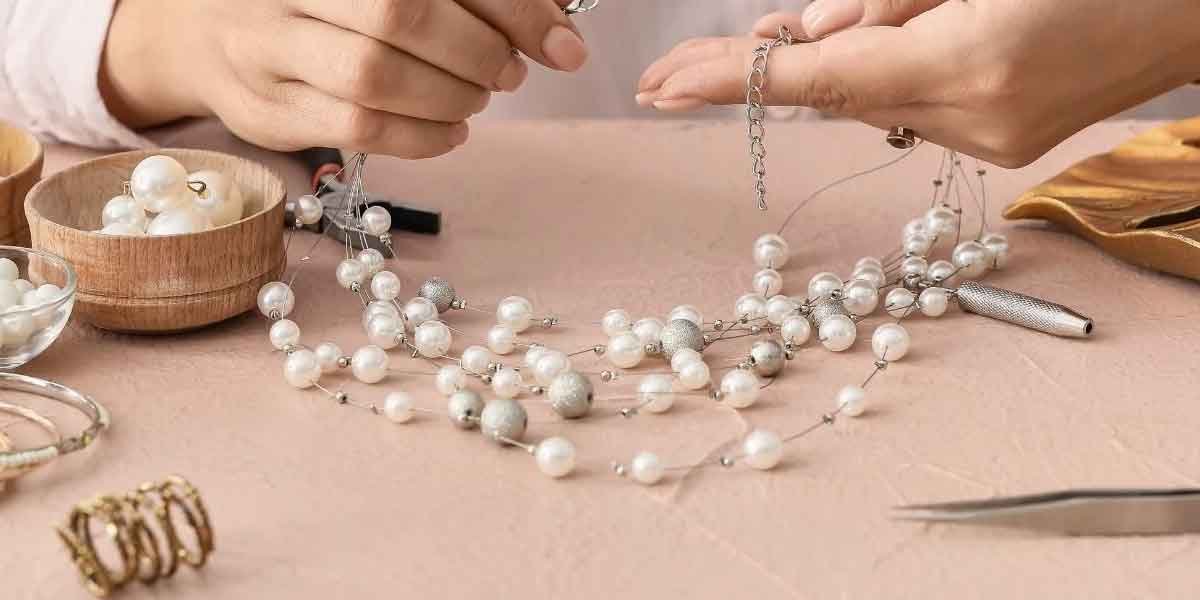
In the fashion world, quality craftsmanship is often associated with vintage clothing and heritage techniques that were popular before the worldwide emergence of fast fashion. This is evident in the designs of jewellery, as fast fashion jewellery tends to feel lightweight, brittle and flimsy, compared to high end crafted pieces that use traditional techniques to ensure longevity. Indicators of true quality are often found in the details that might be missed at first glance, but the piece would be lost without these.
For a luxury finish, gemstone settings are executed with hand-carved prongs or bezels rather than being held by industrial adhesives, ensuring gems remain secure for a lifetime. To achieve a sought after shine, the metal undergoes a rigorous multi-stage hand-polishing process, where surfaces are refined and buffed to eliminate any imperfections. Similarly, high-quality components, such as solid gold alloys or sterling silver, are chosen for their durability, ensuring that the metal does not tarnish, flake, or irritate the skin, which would otherwise compromise the beauty of the piece or make it unwearable.
Choosing a ‘crafted’ piece of jewellery is a deliberate move towards slow fashion. The superior materials used and the ease of repairing, resizing and polishing the product mean that the environmental cost is lower as it will last for decades, not months. By being built with integrity, a well crafted piece of jewellery goes against the cycle of buying and throwing away, which can reduce the amount of waste that goes to landfill and honour the resource intensive process of mining materials ethically and stone cutting.
The Invisible Craft
Getting paid is more than just a simple button press, it is a complex craft of navigating HMRC legislation, pension contributions and tax codes. A single payroll run will require precisely calibrating tax codes, National Insurance categories and student loan repayments, and changes to minimum wage means that it is constantly adapting. For an employee, a payslip is the most tangible touchpoint of their relationship with their employer. It is the foundation that allows them to plan for the future, whether that is managing daily expenses or consistently contributing to a savings account. It could be said to be the ultimate service based product, where craftsmanship is instead measured in accuracy and clarity instead of the quality of materials. Trusting an employer to give a clean, correct payslip helps to build a culture of trust and safety, however a single discrepancy can negatively impact morale and productivity.
Even though modern payroll uses high tech, automated systems to handle bulk calculations, specialist providers pair this with human oversight to prevent the cracks that can surface with DIY methods. For example, software alone could potentially misinterpret pro-rate holiday pay for an employee with irregular hours, or complex parental leave entitlements. Through combining the speed of technology with the refined judgement of a payroll professional, businesses can ensure that compliance is not just a checkbox, but is robustly engineered to prevent penalties from HMRC or employee dissatisfaction.
Why The Details Matter
Although the details of quality craftsmanship often go unnoticed, the impact of any of these failing would be felt immediately, such as a broken hinge, a flimsy chain or a late wage payment. Quality craftsmanship can provide consumers with peace of mind, as buying from experts, whether these be in manufacturing or finance, is an investment in their time and mental energy.
While the cost of quality craftsmanship will always be higher upfront, the price over time will be far lower compared to buying something that is mass produced. Due to this, it is better to support businesses that prioritise quality over quantity, and value expertise over speed in the manufacturing process.





