Skip to the good bit
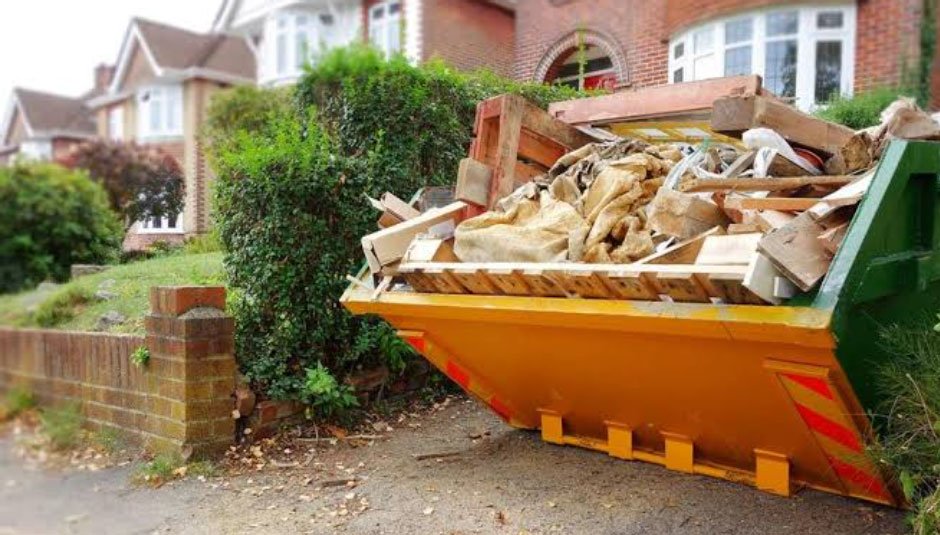
ToggleRenovations create waste at an impressive speed. One day you’re removing a few old cabinets; the next, there’s a pile of timber, metal, fittings and building materials waiting to be thrown into a skip. The easiest option is often to treat everything as rubbish and get it off the property.
But some renovation materials still have value, even when they’re no longer useful to you. Metals are a good example. Old pipes, electrical cable and other copper-containing materials may be suitable for copper recycling Sydney services rather than being mixed into general construction waste, while other materials can potentially be reused, sold or recycled through appropriate facilities.
Sorting materials takes a little more planning, but doing it as you renovate is much easier than digging through a full skip afterwards.
Copper Pipes and Cable
Copper can turn up in several places during a renovation.
Older plumbing may contain copper pipe, while electrical work can generate offcuts and removed cable. Depending on the building, you might also encounter copper in heating, cooling and other equipment.
Don’t start pulling apart electrical systems or plumbing simply because the material has recycling value. Electrical and plumbing work should be carried out by appropriately qualified professionals where required.
Instead, ask your contractors what happens to removed materials.
If recyclable copper is being generated, keeping it separate from general waste can make recycling much simpler.
Aluminium Frames and Fixtures
Replacing windows, doors or screens can leave behind a surprising amount of aluminium.
Old frames may look worthless once they’re removed, particularly when covered in paint, sealant or years of grime. But aluminium is widely recyclable.
You may also find it in:
- Flyscreens
- Certain gutters and downpipes
- Door frames
- Flashing
- Outdoor structures
- Some fixtures and fittings
Before throwing these materials away, find out whether a local recycling facility accepts them and whether different materials need to be separated.
Steel and Other Metal
Renovations can produce plenty of steel.
Old roofing, brackets, shelving, fencing, structural components and various fixtures may all contain recyclable metal.
Even relatively small pieces can add up across a larger project.
Create a dedicated area for scrap metal before demolition begins. That way, workers aren’t deciding where every piece belongs while trying to clear a room quickly.
Make sure the storage area is safe. Sharp edges, nails and heavy objects can create hazards, so materials shouldn’t simply be piled somewhere people regularly walk.
Solid Timber
Not everything worth saving needs to be metal.
Older homes sometimes contain timber that’s difficult or expensive to replace. Floorboards, beams, doors and other solid timber components may be reusable if they’re removed carefully and remain in suitable condition.
Before demolition, look at what could potentially be salvaged.
A solid timber door might work elsewhere in the property. Floorboards may be useful for repairs. Quality timber can sometimes be repurposed into shelving, furniture or another project.
Reusing material within the renovation can also save you from buying something new later.
Bricks and Pavers
Removing an old wall or outdoor area doesn’t automatically make every brick or paver waste.
If they’re in reasonable condition and can be removed without significant damage, they may be suitable for reuse.
Matching old brickwork can sometimes be difficult, so keeping a small quantity of original bricks may even be useful for future repairs to the property.
Reusable pavers can also find a second life in garden paths, edging or landscaping.
The key is deciding what you’ll keep before everything gets covered in mortar, broken during demolition or buried underneath other waste.
Fixtures That Still Work
Renovation doesn’t always mean replacing something because it has failed.
Sometimes you’re changing a bathroom because the style is dated. Perhaps the kitchen layout no longer works, or you’re replacing doors to suit a new design.
That can leave functional items behind.
Depending on their condition, things worth considering for reuse or donation may include:
- Doors
- Cabinetry
- Handles and hardware
- Shelving
- Mirrors
- Some plumbing fixtures
- Light fittings removed by a qualified tradesperson
Not every item will be worth saving, but “old” and “useless” aren’t the same thing.
Check the requirements of donation organisations and salvage businesses before delivering anything, as acceptance policies vary.
Separate Materials Before Demolition Gets Messy
The easiest time to identify reusable and recyclable materials is before demolition begins.
Walk through the project and make a basic plan.
Create categories for items that will be reused on site, donated or sold, recycled, and disposed of as general construction waste.
Then provide clearly designated storage areas where practical.
This doesn’t need to become an elaborate waste-management operation. Even separating metal, reusable timber and general waste can prevent useful material from disappearing into a mixed skip.
Be Careful With Hazardous Materials
Some renovation waste requires much more careful handling.
Older buildings may contain asbestos, lead-based materials or other substances that shouldn’t be disturbed or disposed of like ordinary rubbish.
If you suspect hazardous material is present, don’t start dismantling it to recover something valuable underneath.
Have it properly identified and follow the applicable requirements for safe removal and disposal.
Safety should always come before salvage value.
A renovation inevitably produces waste, but not everything removed from a home belongs in landfill.
Before the demolition starts, look at what’s actually coming out of the building. Copper, aluminium, steel, timber, bricks and usable fixtures may all have another destination.
The simple rule is to sort first and throw away second. Once valuable material disappears underneath a skip full of broken plasterboard and rubble, recovering it becomes much harder. A little planning at the start can reduce waste and help useful materials get another life.