
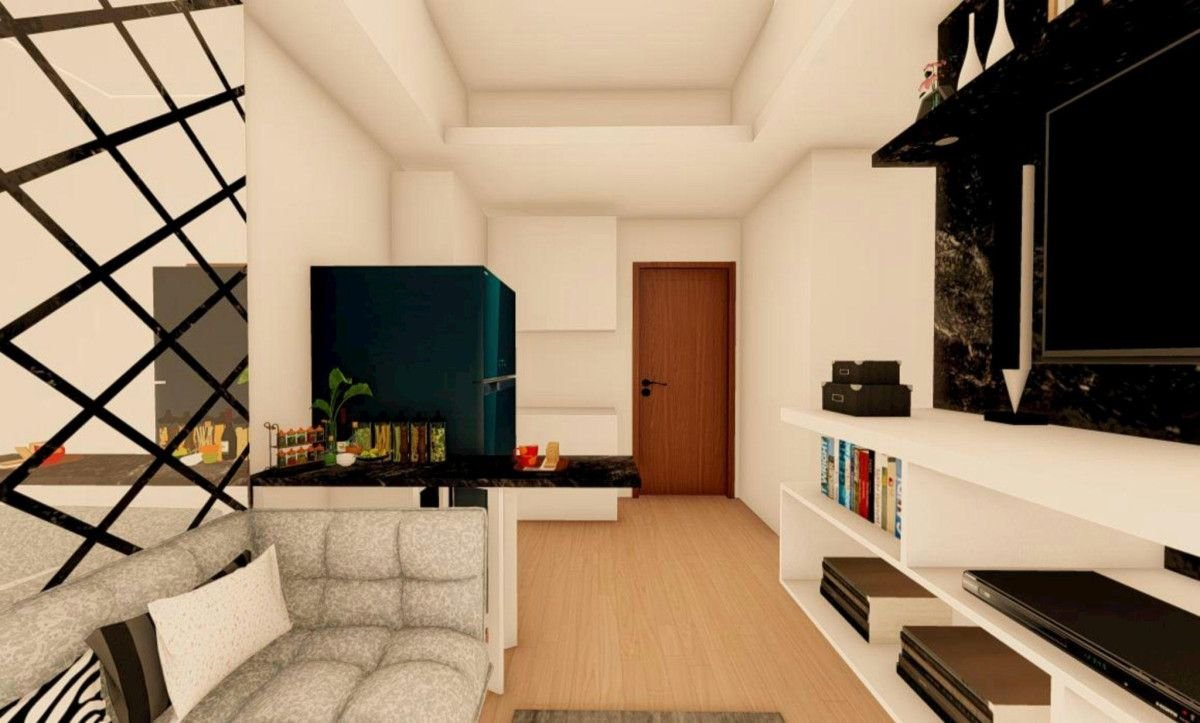
If we observe an octopus seamlessly change its texture and color to blend with its surroundings, modern open floor plans possess this same alien-like ability to transform. What appears as a living room in the morning becomes an entertainment hub by evening, morphing with surprising intelligence to accommodate our ever-changing lifestyles. This architectural evolution isn’t just about knocking down walls; it’s about creating spaces that think, breathe, and adapt.
The Allure and Reality of Open Floor Plans
Open floor plans have revolutionized how we experience our homes. Gone are the days of compartmentalized living where the cook was isolated in the kitchen while guests gathered in a separate room. Today’s homes embrace fluidity, connection, and versatility, but this freedom comes with its own set of fascinating challenges.
The appeal is obvious: natural light floods every corner, conversations flow as freely as the space itself, and that cramped feeling disappears entirely. Yet, like any powerful design concept, open floor plans demand respect and understanding. Without proper planning, your dream space can quickly become an echo chamber of noise, a temperature regulation nightmare, or worse, a cluttered expanse that feels more warehouse than home.
I’ve walked countless homeowners through this journey, and the ones who succeed understand a fundamental truth: an open floor plan isn’t the absence of design, it’s design at its most sophisticated.
Creating Zones Within a Seamless Space
The Power of Furniture and Rugs
Think of your open floor plan as a blank canvas, not empty, but full of potential. The magic happens when you start defining spaces without building walls.
Strategic Furniture Placement:
Your sofa isn’t just seating; it’s architecture. By positioning a large sectional with its back to the kitchen, you’ve just created a living room. A bookshelf perpendicular to the wall becomes a room divider that maintains sight lines while establishing boundaries. I once helped a client transform their 800-square-foot open space into what felt like three distinct rooms using nothing but furniture placement.
Consider these zone-creating heroes:
• Kitchen islands: Natural boundaries that encourage gathering
• Console tables: Behind sofas, they create visual separation and provide surface space
• Open shelving units: Allow light through while defining areas
• Dining tables: Anchor the eating area and create natural traffic flow
Area Rugs as Invisible Walls:
Rugs are the unsung heroes of open floor design. They ground furniture groupings and whisper “this is where the living room begins” without shouting it. Choose different textures or patterns for each zone—perhaps a plush shag for the living area and a flat-weave for under the dining table.
Size matters here. A rug that’s too small makes furniture look like it’s floating; too large and you lose definition. The golden rule? Front furniture legs on, back legs off for living spaces. All chair legs on for dining areas.
Lighting for Mood and Function
Layered Lighting Strategies:
Lighting in an open floor plan works like a symphony—different instruments playing together to create harmony. You need:
• Ambient lighting: The overall wash that prevents dark corners
• Task lighting: Focused illumination for cooking, reading, or working
• Accent lighting: The jewelry of your space, highlighting art or architectural features
Picture this: pendant lights over your kitchen island provide task lighting while establishing the kitchen zone. A chandelier or fixture over the dining table anchors that space. Floor lamps in the living area offer both ambient and task lighting while creating vertical interest.
The Climate Control Connection:
Here’s something most people don’t consider: your lighting choices affect your climate control. Those gorgeous pendant lights generate heat, and in a large open space, this impacts your HVAC efficiency. If you’re in Victoria, consulting with experts like those specializing in Pakenham heating and cooling ensures your systems work harmoniously with your design choices. They’ll help you understand how air flows through your open space and where to position vents for optimal comfort.
Maintaining the Integrity of Your Open Space
Addressing Noise and Climate Control
Acoustic Solutions:
In traditional homes, walls are sound barriers. Remove them, and suddenly your blender conversation competes with the TV. But don’t panic, smart design conquers noise.
Soft surfaces are your acoustic allies:
• Upholstered furniture: Absorbs sound waves rather than reflecting them
• Heavy curtains: Even when open, they dampen echo
• Textile art: Wall hangings add beauty while reducing reverberation
• Books: A well-stocked bookshelf is nature’s sound baffle
I worked with a musician who needed their open plan to accommodate both practice and family life. Strategic placement of acoustic panels disguised as art, combined with a gorgeous tapestry wall, transformed their echo chamber into a balanced soundscape.
Temperature Regulation Mastery:
Open floor plans challenge traditional HVAC systems. Hot air rises, cold air sinks, and without walls to contain them, you get temperature zones that would puzzle a meteorologist. This is where professional expertise becomes invaluable.
Ensuring your electrical system can handle the increased HVAC demands is crucial. This might mean upgrading your system, which often requires Residential Switchboards Repair or replacement to handle the additional load. Don’t wait for flickering lights or tripped breakers to tell you there’s a problem—preventive consultation saves both money and comfort.
Consider these temperature management strategies:
• Ceiling fans: Circulate air and reduce HVAC workload
• Smart thermostats: Zone control even in open spaces
• Window treatments: Control solar gain throughout the day
• Strategic vent placement: Work with HVAC pros for optimal airflow
Keeping the Space Cohesive and Clutter-Free
Design Consistency:
The beauty of open floor plans lies in their visual continuity. This doesn’t mean everything must match—that’s boring. Instead, think of it as a conversation between elements.
Choose a base palette of 3-4 colors and weave them throughout:
• Neutral foundation: Walls and large furniture pieces
• Accent colors: Appear in each zone differently
• Metallic finishes: Consistent throughout (all brass, all chrome, etc.)
• Wood tones: Limit to 2-3 complementary shades
Strategic Storage Solutions:
Without walls for built-ins, storage becomes an art form. Multi-functional furniture is your secret weapon:
• Ottoman with storage: Seating, footrest, and hidden storage
• Dining bench with lift-top: Extra seating plus seasonal storage
• Kitchen island with drawers: Maximizes the workhorse of your open plan
• Floating shelves: Vertical storage that doesn’t block sight lines
Structural Considerations:
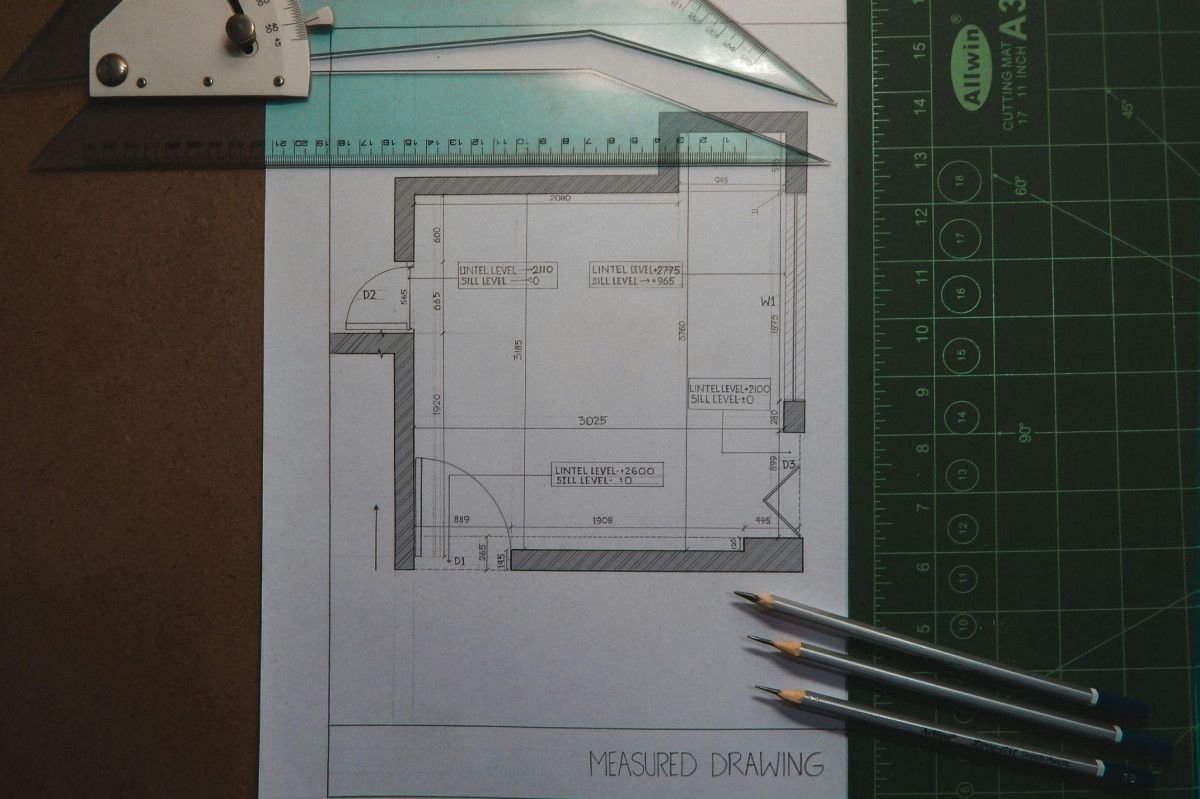
If you’re converting a traditional layout to open plan, structural integrity is paramount. Load-bearing walls can’t simply disappear—they need replacement support, typically steel beams or reinforced headers.
For significant structural work, especially in older homes or those with unique foundations, specialized equipment becomes necessary. Construction crews might need tools like a Pile Cropper in Australia for foundation work when installing support posts. This ensures clean, precise cuts in concrete piles, creating stable support for your newly open space.
The Evolution of Living Spaces
Smart Technology Integration
Modern open floor plans increasingly incorporate smart home technology:
• Automated lighting scenes: Different moods at the touch of a button
• Smart speakers: Zone-specific audio without visible equipment
• Motorized window treatments: Manage light and temperature efficiently
• Integrated charging stations: Hidden in furniture to reduce cord clutter
Flexibility for the Future
The best open floor plans anticipate change. Maybe that dining area becomes a home office, or the play zone evolves into a teen hangout. Design with flexibility:
• Modular furniture: Easily reconfigured as needs change
• Neutral bases: Allow for easy updates with accessories
• Infrastructure planning: Extra outlets and ethernet ports where you might need them
• Adequate electrical capacity: Consult with specialists in Pakenham heating and cooling to ensure your systems can adapt to future needs
Conclusion: The Art of Effortless Living
Creating and maintaining an exceptional open floor plan is like conducting an orchestra, every element must work in harmony while maintaining its unique voice. From the strategic placement of furniture that defines without dividing, to the sophisticated climate control systems that ensure comfort across vast spaces, success lies in understanding the intricate dance between design and function.
The journey from traditional compartmentalized living to open plan freedom mirrors nature’s own evolution—like the octopus that developed its remarkable ability to change and adapt, our homes have evolved to become fluid, responsive environments. The intelligence isn’t in the absence of walls, but in how thoughtfully we orchestrate the space that remains. When done right, an open floor plan doesn’t just remove barriers; it creates possibilities, transforming static architecture into a living, breathing ecosystem that responds to and enhances our daily lives.