Skip to the good bit
ToggleA Celestial Show in Tonight’s Sky
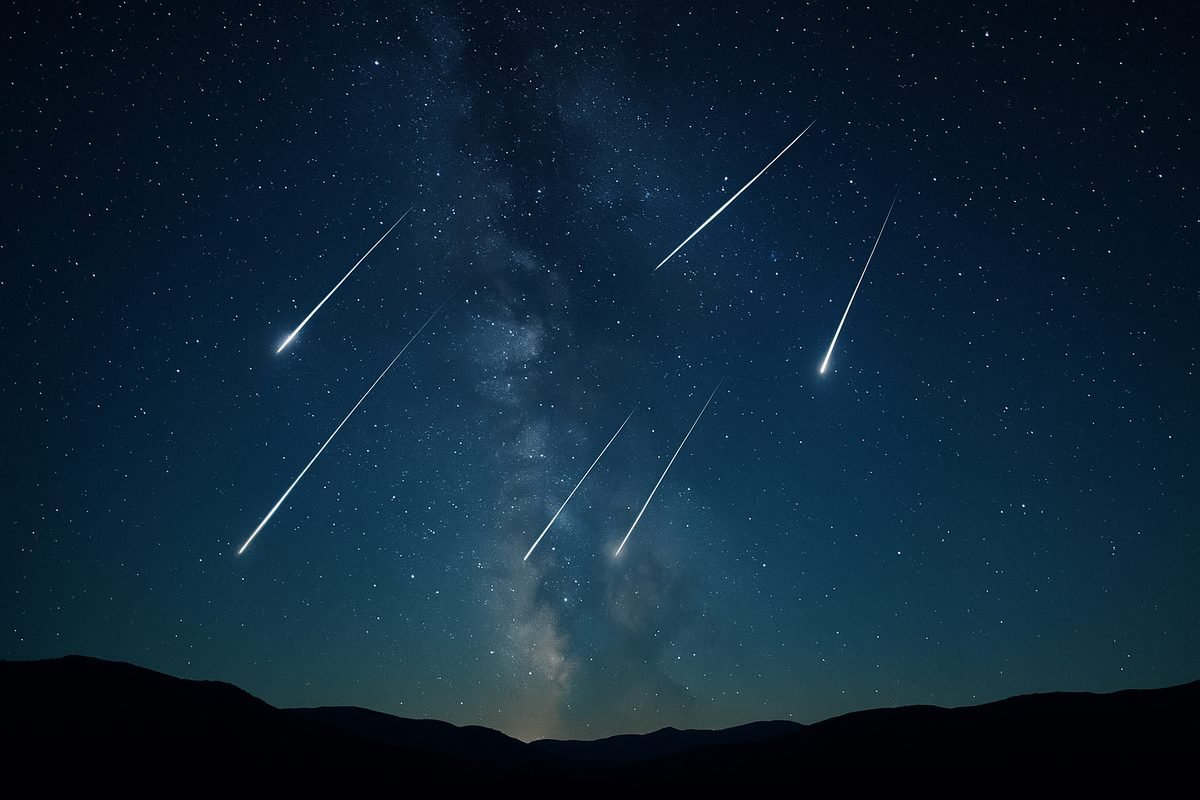
Look up tonight for a spectacular celestial event. The annual Leonid meteor shower is reaching its peak, offering a beautiful display of shooting stars for observers around the world. It’s a perfect opportunity to connect with the night sky and witness a natural wonder.
The experience of watching meteors streak across the darkness is a reminder of the vast and dynamic universe we inhabit. Each flash of light is a tiny piece of space debris making a fiery entrance into Earth’s atmosphere, a fleeting moment of cosmic magic.
What Time is the Meteor Shower Tonight?
For anyone asking “meteor shower tonight what time,” the key to a successful viewing experience is timing. While the Leonids are active for several weeks, the peak offers the most impressive show. The best activity occurs when the sky is darkest and the shower’s radiant point is high in the sky.
The Best Time to Watch
The prime time for viewing the Leonid meteor shower is in the hours just before dawn. This is when the constellation Leo, the shower’s radiant point, climbs to its highest position in the sky. A higher radiant means more meteors will be visible above the horizon.
Watching between 4 a.m. and sunrise local time will give you the best chance to see the highest concentration of meteors. During this window, you can expect to see the shower at its most active, with meteors appearing more frequently.
Can You See Meteors Earlier?
If you can’t stay up until the early morning hours, you still have a chance to see some action. Starting around midnight, you might be lucky enough to spot an “Earth-grazer.” These are long, slow-moving meteors that travel horizontally across the sky.
Earth-grazers occur when meteors enter the atmosphere at a shallow angle, skimming along the upper edge. They produce a long, dramatic streak of light that can be quite memorable, even if they are less frequent than the meteors seen during the pre-dawn peak.
Your Guide to Watching the Stars Fall
To make the most of your meteor-watching experience, a little preparation goes a long way. Finding the right spot and getting comfortable are just as important as knowing what time to look up.
Find Your Perfect Spot
Light pollution from cities can significantly reduce the number of visible meteors. For the best view, find a location far away from city lights. A rural area, a large park, or a designated dark-sky site will offer a much clearer and more brilliant show.
Give yourself an open view of the sky, away from tall trees or buildings. The more sky you can see, the better your chances of catching those fleeting streaks of light.
Comfort is Key
You’ll be outside for a while, so make sure you’re comfortable. A reclining chair or a thick blanket will allow you to lie back and look up without straining your neck. The November nights can be chilly, so dress in warm layers to stay cozy.
Bringing a warm drink like hot chocolate or tea can also make the experience more enjoyable. The goal is to relax and enjoy the celestial performance in comfort.
Give Your Eyes Time
Your eyes need time to adapt to the darkness to see the fainter meteors. It takes about 30 minutes for your vision to fully adjust. During this time, avoid looking at bright lights, especially your phone screen, as it will reset your night vision.
Once your eyes have adjusted, you’ll be surprised at how many more stars and meteors become visible. Patience is a virtue when it comes to stargazing.
Understanding the Leonid Meteors
Each meteor in the Leonid shower is a small piece of a comet’s tail, burning up as it enters our atmosphere. Understanding their origin adds another layer of appreciation to the spectacle.
A Comet’s Dusty Trail
The Leonids are created from the debris left behind by Comet 55P/Tempel-Tuttle. As this comet orbits the sun, it leaves a trail of dust and rock in its wake. Every November, Earth passes through this stream of debris.
When these tiny particles, many no bigger than a grain of sand, hit our atmosphere at high speeds, they vaporize and create the bright streaks we call meteors or shooting stars. The Leonids are particularly fast, traveling at about 44 miles per second.
A History of Celestial Storms
The Leonid meteor shower is famous for producing some of the most intense meteor storms in recorded history. In years like 1966, observers witnessed thousands of meteors per hour, creating a truly unforgettable spectacle that felt like rain.
These storms are rare and occur on a 33-year cycle when Earth passes through a particularly dense part of the comet’s debris trail. This year is expected to be a normal, beautiful shower, not a storm, but its rich history makes it all the more special to watch.
What to Expect from Tonight’s Shower
Knowing what to look for can help you manage your expectations and enjoy the show for what it is—a beautiful, natural display of light.
How Many Meteors Will You See?
Under ideal conditions—a clear, dark sky far from city lights—you can expect to see about 10 to 15 meteors per hour during the peak. This rate can vary, and patience is key. There may be lulls in activity followed by several meteors in quick succession.
A Helping Hand from the Moon
This year, viewing conditions are particularly favorable. The moon is in its waning crescent phase, which means it will only provide a sliver of light in the sky. A darker sky means that even the fainter meteors will be visible, enhancing the overall experience.