Skip to the good bit
ToggleIn the vibrant world of Mexican street culture, few figures captured the public’s heart like Francisco “Paco” Pérez, affectionately known as Medio Metro. A man of short stature but immense charisma, he became a symbol of joy and community in the bustling neighborhoods of Puebla.
His stage name, which translates to “Half Meter,” was a playful nod to his height, but his presence was larger than life. He was a beloved local icon who represented the spirit of the sonidero scene.
Who Was Medio Metro?
Francisco Pérez began his journey in the historic Barrio El Alto in Puebla, Mexico. It was here, amidst the lively streets and close-knit community, that he first discovered his passion for dance.
From an early age, he was drawn to the infectious rhythms of cumbia and the energy of local parties. His unique style and infectious enthusiasm quickly made him a neighborhood favorite.
He embraced his nickname, Medio Metro, with a sense of humor and pride. It became a name synonymous with entertainment and grassroots culture in Puebla.
The Rise of a Street Dance Icon
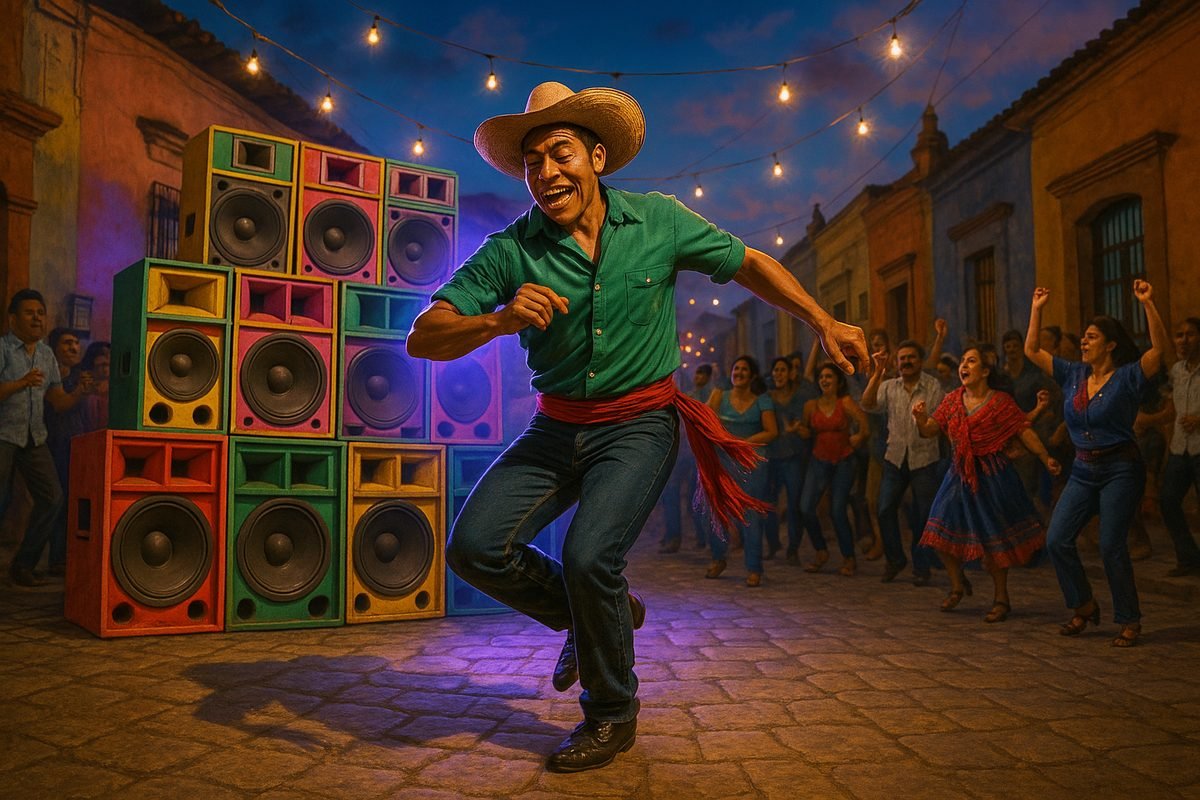
Medio Metro’s ascent to local fame was a testament to his raw talent and magnetic personality. He became a prominent figure in the sonidero scene, performing alongside popular sound systems like Sonido Pirata and Grupo Super T.
His performances were not just about dance; they were about connection. He had a rare ability to engage with the crowd, making everyone feel like part of the celebration.
His fame exploded with the rise of social media, as videos of his energetic dance moves went viral. People were captivated by his unique blend of traditional cumbia steps and playful, charismatic improvisations.
Understanding Mexico’s Sonidero Culture
The sonidero movement is a cornerstone of Mexican popular culture, particularly in working-class neighborhoods. It revolves around powerful sound systems, or “sonidos,” that play a mix of cumbia, salsa, and other Latin genres at public gatherings.
These events are more than just parties; they are vital community spaces where people come together to dance, socialize, and celebrate their shared culture. The sonidero, or DJ, often sends shout-outs to the crowd, creating a personal and interactive experience.
This tradition has deep roots, with a strong connection to Colombian music and a history of bringing joy to the streets of Mexico City, Puebla, and beyond.
Medio Metro’s Impact on Local Communities
In his hometown of Puebla, Medio Metro was more than just a dancer; he was a cherished community figure. He was a regular presence at local festivals, street parties, and neighborhood events, always bringing a smile to people’s faces.
His performances were a source of pride for the residents of El Alto, who saw him as one of their own. He represented the heart and soul of their community, a symbol of resilience and joy.
He had a special bond with his fans, who admired his authenticity and passion. He was a man of the people, and his connection with the community was at the core of his appeal.
The Cultural Legacy of Sonidero Dancers
Dancers like Medio Metro are an integral part of the sonidero experience. They are the visual embodiment of the music, bringing the rhythm to life with their movements and energy.
They play a crucial role in preserving and promoting traditional Mexican street dance, passing down cultural traditions from one generation to the next. Their performances are a vibrant expression of identity and community pride.
Medio Metro’s influence extends beyond his own performances. He inspired a new generation of dancers and brought renewed attention to the rich cultural heritage of the sonidero scene.
Remembering a Community Icon
Though his time in the spotlight was brief, Medio Metro left an indelible mark on the cultural landscape of Puebla. He is remembered as a beloved entertainer who brought joy and unity to his community.
His legacy lives on in the vibrant sonidero scene he championed and in the hearts of the many people whose lives he touched. He remains a powerful symbol of the enduring spirit of Mexican popular culture.