Skip to the good bit
ToggleThe modern culinary landscape is experiencing a significant shift. Home cooks are no longer just looking for the best flavours. They are increasingly concerned with the ethical and environmental impact of the ingredients they bring into their kitchens. While plant-based diets and organically farmed produce have dominated the conversation for years, a new ingredient is capturing the attention of eco-conscious food enthusiasts across the United Kingdom. Wild venison is rapidly emerging as a staple for sustainable home cooking, offering a compelling mix of rich culinary tradition and genuine ecological benefits. In a world where transparency matters, switching out conventional meats for wild game is an excellent way to reduce your household’s overall carbon footprint while enjoying hearty, comforting meals.
The Environmental Case for Wild Game
Understanding the ecological footprint of our food choices is more important than ever. Red meat often receives criticism for its high greenhouse gas emissions, but wild game presents a completely different environmental profile. Because wild deer roam freely and forage on natural vegetation, they do not require the intensive feed production, housing, or chemical inputs associated with industrial farming.
The numbers strongly support this sustainable shift. According to recent environmental impact analyses, the small carbon footprint of wild venison makes it exceptionally eco-friendly, with emissions estimated to be around 78 percent lower than those of intensively farmed beef. Beyond just emissions, eating wild game also serves a crucial conservation purpose. The UK currently faces significant challenges with deer overpopulation, which threatens woodland regeneration and local biodiversity. Without natural predators to keep their numbers in check, deer can quickly decimate young trees and rare plant species. Proper deer management, supported by consumer demand for the meat, helps maintain a healthy balance in British woodlands and preserves natural habitats for other vulnerable wildlife.
Sourcing Ethical and Traceable Ingredients
Transitioning to wild game requires a shift in how we shop for meat. Unlike standard supermarket cuts, the appeal of venison lies in its wild nature, which makes traceability an absolute priority. Consumers need to know that the animals were culled responsibly and processed to the highest safety and welfare standards. Knowing exactly where your food comes from is incredibly rewarding. It allows you to support rural economies and skilled local stalkers who adhere strictly to seasonal culling guidelines.
For modern food lovers looking to embrace this eco-friendly trend, finding a reliable supplier is the first step. Choosing a trusted premium purveyor like Eversfield Organic provides assurance that the meat is ethically sourced and highly traceable. Having access to carefully vetted, high-quality cuts empowers home chefs to experiment with new recipes while staying true to their sustainable values. It seamlessly bridges the gap between wild foraging and the modern kitchen.
Nutritional Advantages of Wild Meat
The appeal of wild venison extends far beyond its environmental credentials. It is also a nutritional powerhouse that fits perfectly into a health-conscious lifestyle. Because the animals live active, wild lives and eat a natural, varied diet, their meat develops a completely different nutritional profile compared to grain-fed livestock. When you eat wild meat, you are consuming food that is as close to nature as possible. The varied diet of wild deer, which includes wild grasses, berries, and acorns, also translates into a far more complex and earthy flavour profile that is celebrated by top chefs and nutritionists alike.
Home cooks incorporating wild venison into their weekly meal rotations can expect several key health benefits:
- Exceptional Lean Protein: Venison is incredibly lean, containing significantly less saturated fat than farmed beef or pork.
- High Mineral Content: It is an excellent natural source of highly absorbable haem iron, zinc, and selenium.
- Rich in B Vitamins: The meat provides abundant B12 and B6, which are essential for maintaining healthy energy levels and brain function.
- No Artificial Additives: Wild game is naturally free from preventative antibiotics and growth hormones that are sometimes found in industrial agriculture.
Practical Tips for the Home Kitchen
Despite its premium reputation, cooking wild venison at home is surprisingly straightforward once you understand its unique characteristics. The most important rule to remember is that its lack of fat means it cooks much faster than traditional red meat and can dry out if left on the heat for too long.
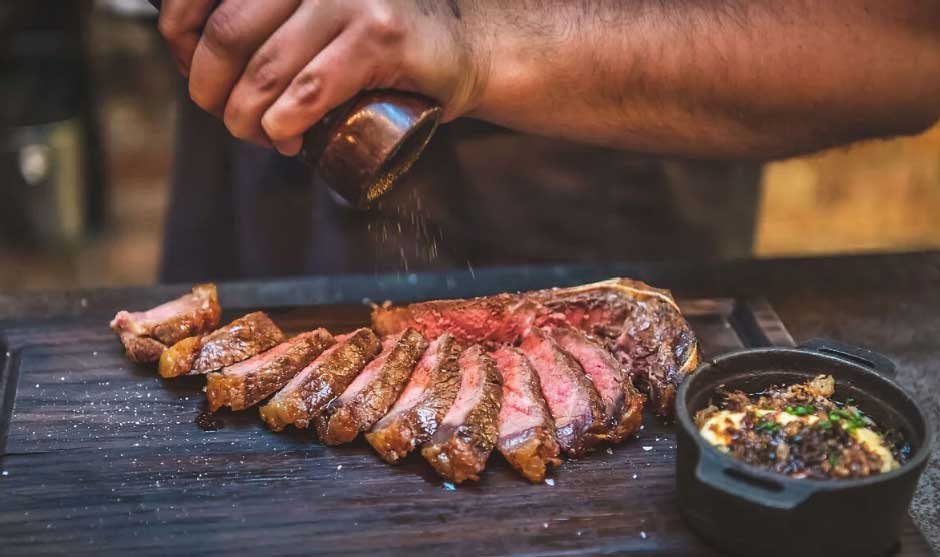
For premium cuts like steaks or the loin, pan-searing over a high heat is ideal. You want to achieve a rich, caramelised crust while keeping the centre rare or medium-rare. Letting the meat rest for at least ten minutes before slicing is crucial, as this allows the juices to redistribute and ensures maximum tenderness.
For tougher cuts such as the shoulder or haunch, slow cooking is the secret to success. Braising the meat in a rich stock with root vegetables, red wine, and hearty herbs like rosemary and juniper berries will gently tenderise the fibres. This approach yields deeply flavoured, warming stews that are perfect for a sustainable Sunday dinner. Another fantastic way to introduce your family to game is by using minced venison as a direct substitute for beef in everyday recipes. Whether you are making a classic cottage pie, a rich bolognese, or homemade burgers, venison mince adds a wonderful depth of flavour while significantly reducing the fat content of the dish.
As we continue to rethink our food systems, wild venison stands out as a rare ingredient that truly delivers on all fronts. It is a win for the environment, a boon for local conservation efforts, and an absolute delight to cook and eat. The movement towards eating wild game is much more than a fleeting culinary fad. It represents a thoughtful return to seasonal, ethical eating that respects the natural world. For anyone looking to make their kitchen more sustainable without sacrificing taste or quality, exploring the incredible potential of wild venison is the perfect place to start.