Skip to the good bit
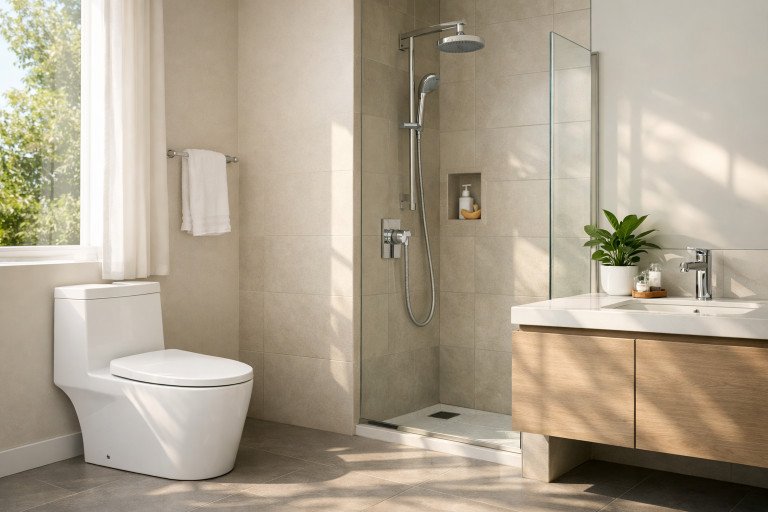
ToggleUpgrading your bathroom with modern water-saving fixtures is an effective way to conserve resources while lowering your utility bills. Innovations in plumbing technology enable simultaneous improvements in efficiency and comfort. Whether you are renovating your home or simply aiming to cut costs, selecting the right fixtures can have a big impact on both your wallet and the planet. Learn how to make practical changes that align comfort, style, and sustainability with bathroom plumbing in Kansas City experts.
Small changes in your bathroom can result in big savings over time. By choosing fixtures that use less water, you will not only benefit from lower monthly costs but also contribute to the broader effort to conserve our precious water supply. Water-saving upgrades are more accessible and effective than ever, allowing you to take action without sacrificing convenience or design. Bathroom fixture upgrades are simple to implement and pay for themselves quickly through reduced utility bills. They also help homes meet conservation goals and can enhance property value, making these changes a savvy long-term investment.
Low-Flow Toilets
Conventional toilets are among the biggest water users in a household, sometimes using up to 7 gallons per flush. Modern low-flow toilets, however, use only 1.28 gallons or less each time. For a family of four, this single update could save up to 16,000 gallons of water per year without any inconvenience. Choosing a WaterSense-labeled toilet provides reliable performance and considerable savings. These investments also align well with modern sustainability standards, making it easier to comply with regulations and qualify for rebates in some regions.
Water-Efficient Showerheads
Showering is a daily activity that most people do not realize how quickly water can add up. Standard models use about 2.5 gallons per minute, but water-saving alternatives can reduce that to 2.0 GPM or even less. This simple swap can save an average household nearly 2,900 gallons of water every year, while still offering invigorating showers with good water pressure. According to The New York Times, new generation showerheads carefully balance efficiency with satisfying performance, making them a beneficial and easy fix. For more guidance, homeowners can explore detailed recommendations and energy-saving tips from sources such as EPA WaterSense.
Faucet Aerators
Faucet aerators provide another cost-effective route to reduce water usage in any bathroom. By mixing air into the water stream, these devices lower the flow from 2.2 GPM down to 1.5 GPM or less. Homeowners can expect to save up to 700 gallons per faucet each year. Many models are designed for do-it-yourself installation and ensure comfort is not sacrificed.
Dual-Flush Toilets
Dual-flush toilets give users a choice between two flush strengths: one for liquid waste that uses less water, and another for solids. This flexibility makes a noticeable impact, saving up to 4,000 gallons annually for many households. Not only do they promote smarter water use, but they also provide a sleek, modern update to any bathroom setting.
Motion-Sensor Faucets
Motion-sensor faucets take water conservation a step further by turning on only when needed, which prevents careless waste. They offer the bonus of reducing germ spread, a particularly relevant benefit in today’s world. These fixtures are a practical solution for both private homes and businesses looking to minimize water waste and improve hygiene.
Additional Water-Saving Strategies
While upgrading fixtures is an excellent way to save water, adopting simple bathroom habits can further multiply your savings. Consider turning off the tap while brushing teeth, shaving, or lathering hands to prevent unnecessary water flow. Shortening showers by even a few minutes a day makes a meaningful difference over time, especially in larger households. Fixing leaky faucets and running toilets promptly can prevent significant water loss. Pairing fixture upgrades with smart water use behaviors can amplify their effectiveness, making your bathroom even more eco-friendly.
Many homeowners also find value in installing greywater systems, which capture water from sinks or showers for reuse in toilet flushing or garden irrigation. This creative recycling approach significantly reduces your overall water footprint and supports local conservation efforts. Incorporating timers or smart home water monitors to track usage can help you become more mindful and proactive about water conservation.
Installation Tips
Replacing bathroom fixtures to save water is more straightforward than most homeowners realize. Installing low-flow showerheads is usually a quick task that requires only basic tools and can be done without professional help. When retrofitting toilets, ensure the new model is compatible with your plumbing to avoid future leaks or inefficiencies. When installing motion sensor faucets, follow the manufacturer’s instructions to ensure proper operation and prevent accidental drips. With each upgrade, refer to local codes and recommendations to maximize energy and water efficiency.
Style Meets Sustainability
Modern water-saving bathroom fixtures are available in a range of finishes, designs, and styles, meaning you no longer need to choose between sustainability and aesthetics. Sleek chrome, matte black, brushed nickel, and other finishes allow you to match your new fixtures to your bathroom’s decor for a seamless look. Well-designed water-saving products often feature advanced technology, such as anti-lime protection and self-cleaning features, enhancing both performance and durability. Upgrading is not merely a practical move but one that can enhance your home’s visual appeal and comfort, truly blending beauty with environmental mindfulness. Consult with plumbing professionals or explore online reviews to find fixtures that suit your taste and sustainability goals.
Conclusion
Updating your bathroom with water-saving fixtures is a simple and highly effective way to lower monthly bills and support sustainable living. Whether you start with a low-flow toilet, a water-efficient showerhead, a faucet aerator, a dual-flush toilet, or a motion-sensor faucet, benefits multiply quickly, from immediate savings to long-term resource preservation. These improvements not only enhance comfort but also demonstrate environmental responsibility. Embrace these efficient solutions and help conserve water for future generations.