
Skip to the good bit
ToggleKey Takeaways:
- Reduces interior heat and glare for safer, more comfortable driving.
- Blocks harmful UV rays, protecting skin, eyes, and interiors.
- Enhances privacy and security by concealing occupants and belongings.
- Adds safety by reinforcing glass and reducing the risk of shattering.
- Helps preserve interior materials and improve energy efficiency.
Vehicle windows play a significant role in the overall driving experience, affecting both comfort and safety on the road. Exposure to direct sunlight can make the interior of a car uncomfortably hot, cause glare that strains the eyes, and gradually fade upholstery and interior surfaces. In addition, sudden changes in temperature or harsh sunlight can distract drivers, subtly affecting focus and reaction times. Measures that help regulate heat and light can therefore make journeys more comfortable and reduce potential risks while driving.
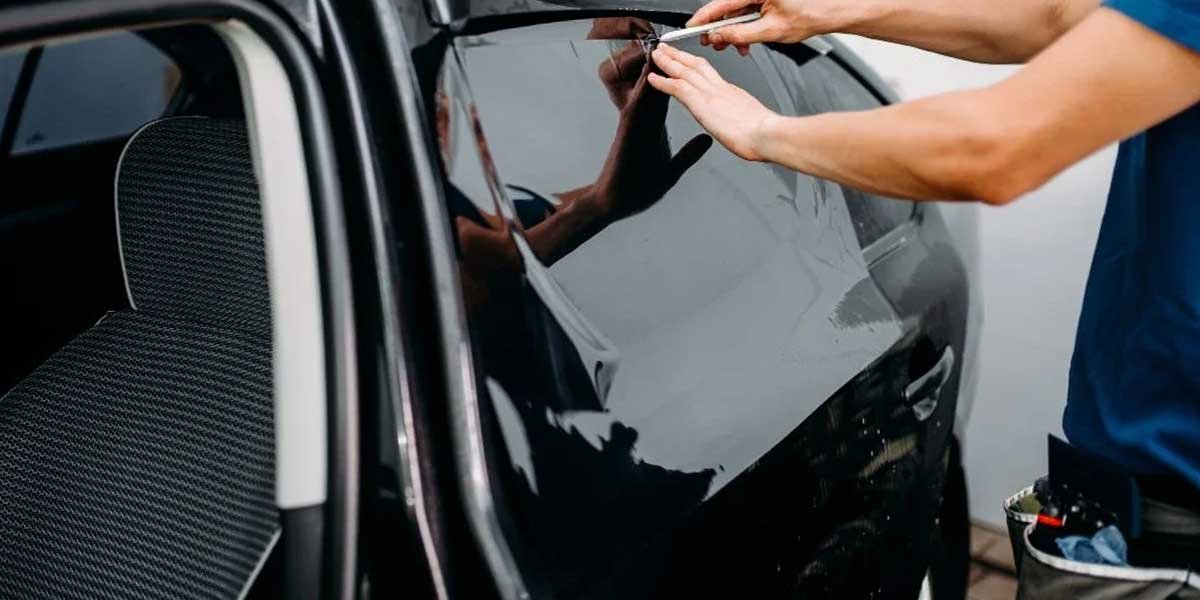
One effective way to address these challenges is through automotive window tint, which helps reduce glare, blocks a significant portion of UV rays, and helps maintain a cooler interior. Beyond comfort, it can enhance safety by reducing the risk of shattered glass in the event of an accident and by providing better privacy for passengers. Overall, thoughtful attention to window treatments can improve both the daily driving experience and long-term vehicle care.
Temperature Control
A major reason drivers choose window tinting is its ability to effectively control interior temperature. Tinted film reduces the amount of solar heat that enters the vehicle, helping to keep the cabin cooler even on the hottest days. This benefit is especially valuable in regions with intense sunshine or for vehicles that spend extended time parked outdoors. A cooler interior makes travel more comfortable for everyone and reduces the need for air conditioning, helping conserve fuel and boosting engine efficiency. According to the U.S. Department of Energy, reducing air conditioning use can save fuel and improve your vehicle’s overall performance.
UV Protection
Exposure to ultraviolet (UV) rays is linked to serious health consequences, including premature aging and increased risk of skin cancer. Vehicle window tints can block up to 99 percent of harmful UV radiation, protecting not just your skin but also your eyes while on the road. This level of protection also helps prevent fading, cracking, and deterioration of your car’s interior materials, including seats, dashboards, and trim. For drivers and passengers who spend a lot of time in their vehicles, investing in quality UV-blocking film is a proactive step for long-term health and vehicle preservation.
Glare Reduction
Glare from direct sunlight and headlights can be more than just a mild annoyance; it poses a real safety hazard by impairing the driver’s vision and slowing reaction times. Properly installed window tint helps minimize this glare, allowing drivers to see the road more clearly and respond quickly to changing conditions. This improvement is especially noticeable at sunrise, sunset, and during nighttime driving. For those searching for solutions, many people turn to auto window tint near me to find local professionals who can enhance visibility and reduce eye strain. By reducing glare, drivers enjoy safer, more comfortable journeys, and long drives become significantly less tiring for the eyes.
Privacy and Security
One often-overlooked benefit of vehicle window tint is enhanced privacy. Tinted windows shield your activities and belongings from the outside world, reducing the risk of break-ins and theft by making valuables less visible. This discreet protection is also appreciated by passengers who value greater seclusion while on the move. Whether you are transporting work equipment, personal electronics, or simply want privacy from prying eyes, window tint transforms your car into a sanctuary on wheels.
Shatter Resistance
Safety concerns go beyond driver behavior and vehicle performance; they also include the integrity of your vehicle’s windows. In the event of an accident, window tint film provides an added barrier that can help hold shattered glass together. This reinforcement means fewer injuries caused by flying glass shards and an added measure of protection for everyone inside the vehicle. Enhanced shatter resistance is one of the reasons window tints are recommended for drivers prioritizing their passengers’ well-being.
Interior Preservation
Continuous exposure to sunlight accelerates wear and tear on car interiors. Over time, UV rays and solar heat cause upholstery to fade, dashboards to crack, and plastics to weaken. With window tint, you minimize sunlight’s impact, thereby preserving the rich color and structural integrity of your vehicle’s interior components. This protection helps maintain your car’s resale value and ensures a more attractive and comfortable ride for years to come.
Energy Efficiency
Energy efficiency is a growing concern for both financial and environmental reasons. Window tinting reduces reliance on your vehicle’s air conditioning system by keeping your cabin cooler, leading to noticeable fuel savings over time. Lower energy consumption means your car burns less gas to maintain a comfortable climate, reducing emissions and operating costs. These cumulative benefits make window tinting a sustainable and practical investment for drivers seeking efficiency without sacrifice.
Legal Considerations
Before investing in window tinting, it is essential to check local and state regulations regarding permissible tint levels and materials. Rules may specify allowable visible light transmission percentages for different window locations, and non-compliance could result in citations or require removal of the tint. Consulting with professional installers ensures that your tint choice meets all legal standards and provides the performance and protection you expect.
Conclusion
Making the decision to install vehicle window tint offers more than just style. It brings together numerous benefits that protect your health, your investment, and your overall experience behind the wheel. By understanding and utilizing these advantages, drivers can enjoy a safer, more private, and comfortable journey every day.