
Skip to the good bit
ToggleDay trading from home has become increasingly attractive for people who want financial independence and the flexibility to work on their own terms. Thanks to technological advances and easier access to trading platforms, pretty much anyone with a computer and reliable internet can step into the world of active trading. But here’s the thing, success in day trading takes a lot more than just setting up an account. You’ll need solid education, serious discipline, careful planning, and a deep understanding of how markets actually work.
Understanding Day Trading Fundamentals
Day trading means buying and selling financial instruments within a single trading day, closing all your positions before the market shuts down to avoid overnight risk. Unlike investors who hold positions for months or years, day traders focus on capturing small price movements in highly liquid stocks, currencies, or other assets. The goal? Profit from short-term market volatility by executing multiple trades throughout a single session. To do this well, you need to develop the ability to read charts, spot patterns, and make quick decisions based on technical analysis and market sentiment.
Setting Up Your Trading Workspace
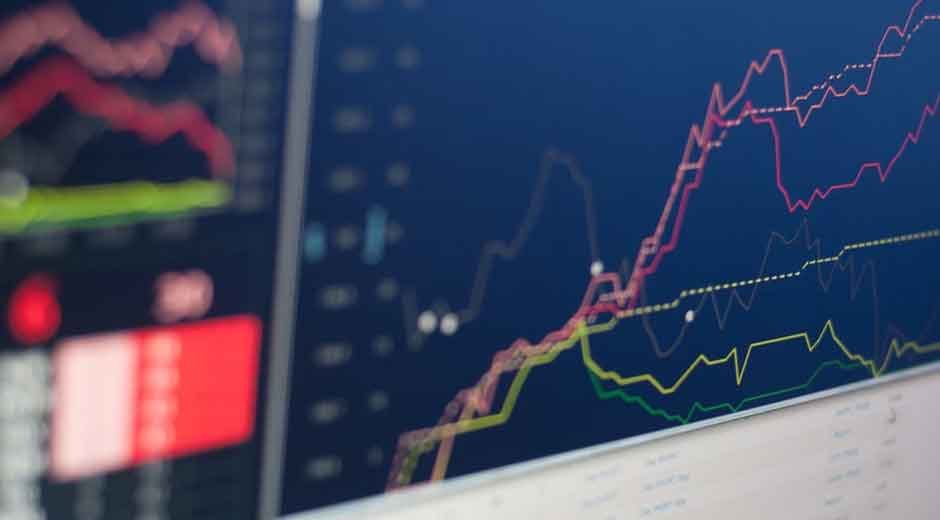
Creating an effective home trading environment is absolutely crucial for maintaining focus and executing trades efficiently. Your workspace should be dedicated, quiet, and free from the kinds of distractions that could mess with your concentration during critical moments. Invest in reliable technology that won’t let you down, a computer with enough processing power, multiple monitors for tracking different markets and charts at once, and a stable high-speed internet connection with backup options. Many successful day traders use at least two monitors, though some employ four or more to display various trading platforms, news feeds, and analytical tools simultaneously.
Choosing Your Trading Capital and Risk Management Strategy
One of your most critical decisions as an aspiring day trader is figuring out how much capital to allocate to trading. Many experts suggest starting with an amount you can genuinely afford to lose without affecting your essential living expenses or long-term financial security. If you’re in the United States, the Pattern Day Trading rule requires maintaining a minimum account balance of twenty-five thousand dollars if you plan to execute more than three day trades within five business days. Beginners might start with smaller amounts in cash accounts or look into international brokers with different regulations.
Selecting Markets and Developing a Trading Strategy
New day traders often feel overwhelmed when choosing which markets to trade, whether stocks, foreign exchange, futures, or cryptocurrencies. Each market has its own personality, distinct characteristics, trading hours, volatility levels, and capital requirements that make them suitable for different styles and preferences. Stock day traders might zero in on high-volume equities with significant daily price swings, while forex traders enjoy twenty-four-hour market access and high leverage opportunities. When trading foreign exchange markets, professionals who need to test their strategies with institutional-level capital often explore opportunities with Forex prop firms that provide funded accounts and professional trading environments. Developing a concrete trading strategy before risking real money is absolutely essential for long-term success. Your strategy needs to define specific entry and exit criteria based on technical indicators, price action patterns, or fundamental catalysts. The most successful strategies typically combine multiple confirmation signals rather than putting all your eggs in one indicator basket. Back testing your strategy using historical data helps validate whether it actually works and builds your confidence before you start trading live. Many traders specialize in specific patterns, breakouts, pullbacks, or momentum trades, becoming experts at recognizing these setups across multiple timeframes. Consistency in following your strategy, even when you’re going through losing streaks, is what separates disciplined traders from emotional ones who abandon their plans the moment things get tough.
Education and Continuous Learning
The day trading learning curve is genuinely steep, and most successful traders invest considerable time in education before they achieve consistent profitability. You’ll find numerous resources available, including books, online courses, webinars, and trading communities where experienced traders share insights and strategies they’ve learned the hard way. Understanding technical analysis is fundamental, this encompasses chart patterns, trend lines, moving averages, oscillators, and other indicators that help predict future price movements. Just as important is developing awareness of the fundamental factors driving market sentiment, including economic reports, earnings announcements, and geopolitical events that can move markets dramatically.
Managing Psychology and Emotional Discipline
Perhaps the most underestimated aspect of day trading is the psychological challenge it presents, even to well-prepared traders. The emotional rollercoaster of winning and losing trades can trigger impulsive decisions that make you deviate from your trading plan and lead to significant losses. Fear and greed are the two primary emotions that sabotage traders, fear causes you to exit winning positions prematurely, while greed makes you hold losing trades too long hoping for miraculous reversals. Developing emotional discipline requires honest self-assessment, recognizing what triggers your worst impulses, and implementing rules that prevent emotional trading.
Conclusion
Starting day trading from home offers tremendous potential for those willing to invest time in education, develop disciplined strategies, and manage risk effectively. Success requires more than just technical knowledge, it demands emotional control, continuous learning, and realistic expectations about the challenges ahead. Begin with thorough education, practice extensively with demo accounts, and start small when you transition to live trading. Remember that consistent profitability typically takes months or even years to achieve, and honestly, many traders never reach this goal despite their best efforts.