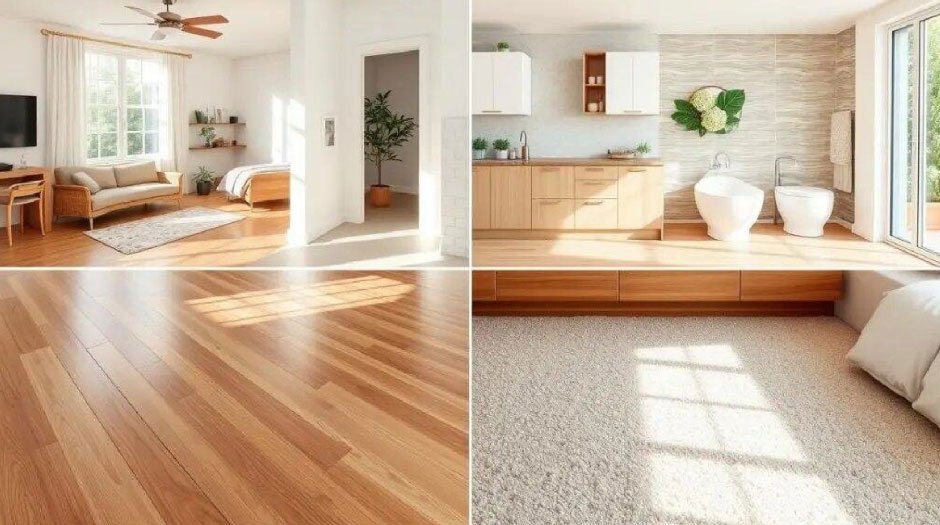
Choosing the right flooring for your home is a decision that significantly impacts both its appearance and comfort. The floor you select will influence everything, from cleaning routines to the ambiance each room delivers. With so many materials and styles available today, it is important to weigh factors like durability, ease of maintenance, and cost before making your investment in new flooring. Working with experienced professionals, such as Silver State Flooring, can make the selection and installation process seamless and ensure high-quality results.
Whether you are renovating a single room or outfitting an entire house, understanding your lifestyle needs and personal taste will help guide your choices. Consider how the function of each space may affect the type of flooring that works best, and how different options fit your budget over both the short and long term.
Every flooring option offers distinct advantages, making it important to assess not only appearance and texture but also resistance to damage, longevity, and even environmental impact. Gathering information about popular flooring materials and room-specific recommendations can help you confidently choose the right surface for your unique needs.

Assessing Your Needs
Every household is unique, so before settling on a type of flooring, it is important to assess how you use each space. Begin by asking yourself a few crucial questions: Are there pets or young children? Does the room experience high foot traffic or heavy moisture? Your answers will clarify which features to prioritize and help prevent issues like excessive wear or water damage down the line.
- Traffic Levels: Entryways, hallways, and kitchens often require tough, scratch-resistant options to withstand daily use.
- Moisture Exposure: In spaces prone to spills and humidity, such as bathrooms and laundry rooms, moisture-resistant flooring is critical.
- Comfort: Use softer flooring materials like carpet or cork in bedrooms and playrooms, where comfort and warmth matter most.
- Style Preferences: Think about which colors, textures, and finishes will best complement your existing or desired home decor.
Popular Flooring Options
Today’s homeowners can choose from a wide assortment of flooring materials, each with its pros and cons. Here is a breakdown of some of the most popular choices:
Hardwood
Hardwood flooring brings natural warmth, timeless beauty, and lasting value to homes. It is highly sought after for living rooms, bedrooms, and hallways. However, hardwood can be prone to scratching and does not fare well with standing water or high humidity, sometimes requiring refinishing over the years.
Laminate
Laminate is an affordable alternative that convincingly mimics wood or stone. Its multilayer construction makes it resistant to scratches and dents, though it is vulnerable to water spills if not promptly addressed. Laminate is great for busy households wanting style on a budget.
Vinyl
Vinyl products, including popular Luxury Vinyl Plank (LVP), offer superior water resistance and durability. Vinyl is available in a variety of styles, is soft underfoot, and is easy to install and clean, making it a practical option for kitchens, bathrooms, and basements.
Tile
Ceramic and porcelain tiles are champions in high-moisture or high-traffic areas. Tiles are available in countless shapes, colors, and textures and provide long-lasting performance. They are especially valued in bathrooms and kitchens for their water resistance and easy maintenance.
Carpet
Carpet delivers unmatched comfort and sound insulation, bringing added warmth and softness to family rooms and bedrooms. It does require regular cleaning to prevent dirt buildup and can stain easily if spills are not addressed promptly.
Room-by-Room Recommendations
Not all flooring fits every space. Here are tailored suggestions for common rooms:
Kitchens and Mudrooms
For rooms that see heavy use and frequent moisture, opt for tough, water-resistant surfaces. Porcelain tile stands out for these spaces due to its wear resistance and easy cleaning. Consumer Reports recommends porcelain tile as a top performer for high-traffic and wet areas.
Bathrooms
Waterproof flooring, such as ceramic tile or resilient vinyl, helps prevent long-term moisture damage and is simple to disinfect. These options also handle the slips and splashes common in bathroom environments.
Living Rooms
Wood flooring, either natural hardwood or laminate, offers a welcoming, sophisticated appeal. These materials can be softened with area rugs for added comfort and style. Laminate is ideal if you want the look of hardwood at a lower price point.
Bedrooms
Carpet is a classic choice for bedrooms because it cushions each step and adds thermal insulation. If allergies are a concern, opt for hardwood or luxury vinyl with soft rugs instead.
Budget Considerations
Projecting your budget early is crucial, as installed flooring costs can range widely. Carpet may cost between $1 and $5 per square foot, while hardwood can fall between $6 and $15 or even more per square foot. Invest in quality where durability and lifespan matter most, and allocate more to high-traffic hub rooms. For a breakdown of installation and lifecycle costs for common options, check resources from major national suppliers or home improvement publications.
Maintenance and Longevity
The level of care required for each flooring type can influence your decision. Hardwood may eventually need refinishing, especially in busy rooms. Tile and vinyl are generally low-maintenance, only needing regular sweeping and damp mopping. Managing spills immediately is crucial on any flooring type, as it prevents staining, warping, and premature wear.
Environmental Impact
Eco-conscious homeowners will want to consider sustainably sourced flooring, such as bamboo, cork, or reclaimed hardwood. These renewable materials minimize environmental footprint while offering beauty and durability. Many manufacturers also now offer low-VOC (volatile organic compound) finishes, further reducing the impact on indoor air quality and overall sustainability.
Conclusion
Finding the right flooring solution involves evaluating aesthetic goals, functional requirements, and cost limitations. Take time to assess how your household lives and moves through each room, and review the maintenance needs and environmental impacts of different materials. By weighing these factors and consulting with trusted contractors, you can select a flooring option that delivers beauty, convenience, and value to your home for years to come.