Skip to the good bit
ToggleFlooring is one of those home decisions that feels very different once you have to live with it every day. A timber floor might look perfect in a showroom or beautifully styled photo, but five years of muddy shoes, furniture, pets, spills and changing interior trends can test whether you actually made the right choice.
Style certainly matters. You might love wide boards, pale timber or the distinctive pattern of herringbone french oak floors, but appearance should be only one part of the decision. The best floor for your home also needs to suit how the room is used, how much maintenance you’re prepared to do and what the material will look like after years of real life.
Before choosing based on a sample you love, think about how the floor needs to perform. A little extra consideration now can help you avoid an expensive change later.
Think About Your Actual Household
Start with the people — and animals — who will be walking across the floor.
A household with two adults may place very different demands on flooring from one with young children and a large dog. High-traffic areas such as kitchens, hallways and living rooms also experience more wear than a guest bedroom.
Think realistically about:
- Pets and their claws
- Children and toys
- Shoes worn indoors
- Regular entertaining
- Furniture being moved
- The likelihood of spills
- Direct sunlight
No timber floor is completely immune to wear. The goal is to choose something that will age in a way you can live with.
Don’t Choose Colour From a Tiny Sample
A small flooring sample can be surprisingly misleading.
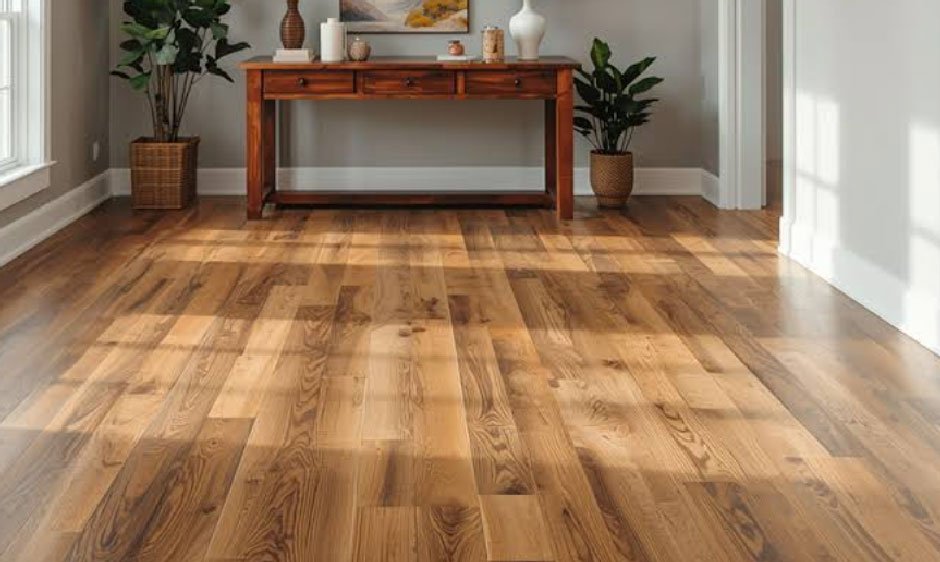
Once installed across an entire room, the colour and grain become much more prominent. Lighting can change the appearance too. A board that looks warm and natural under showroom lights may appear noticeably different beside your windows.
Take samples home whenever possible and look at them throughout the day. Place them beside existing cabinetry, walls, furniture and other finishes you intend to keep.
Remember that timber naturally varies between boards. That’s part of its appeal, but it means you shouldn’t expect an entire floor to look identical to one small sample.
Be Careful With Trends
There’s nothing wrong with choosing a fashionable floor. The problem comes when you’re choosing something primarily because it’s fashionable.
Flooring is considerably harder and more expensive to change than cushions, paint colours or light fittings. Ideally, it should work with several versions of your home’s interior over the years.
Ask yourself a useful question: would I still like this if I stopped seeing it on social media tomorrow?
Natural-looking finishes and tones that complement the permanent elements of your home can often be easier to live with long term than a dramatic finish chosen purely for its current popularity.
Understand What You’re Actually Buying
“Timber flooring” can describe several different products.
Solid timber and engineered timber, for example, are constructed differently and may have different installation, maintenance and refinishing considerations.
Don’t choose based solely on the timber species or colour written on the display board. Ask the supplier exactly how the product is constructed and what that means for your particular home.
Useful questions include:
- What is the floor’s construction?
- What type of finish does it have?
- How should it be cleaned?
- Can it be refinished?
- Are there specific installation requirements?
- What warranty applies?
Understanding the product before purchasing is far easier than discovering its limitations afterwards.
Consider How Much Maintenance You Really Want
It’s easy to promise yourself you’ll carefully maintain a new floor while it’s still new.
Five years later, reality may look different.
Find out what regular cleaning requires and whether the manufacturer recommends particular products. Some cleaning methods that seem harmless can be unsuitable for certain finishes.
Think about prevention as well. Entrance mats can reduce the amount of grit brought inside, felt pads can protect against furniture scratches, and cleaning spills promptly can help avoid damage.
If you’re someone who wants a floor that requires minimal attention, make that part of your buying criteria rather than hoping you’ll develop new maintenance habits.
Think About the Whole House
Flooring doesn’t exist in isolation.
If you’re covering a large open-plan area, consider how the material will work with the kitchen, living room, hallways and adjoining spaces. Too many flooring changes can make a home feel visually fragmented.
Also consider transitions between timber and carpet, tile or other surfaces. Differences in height and colour may be much more noticeable once everything is installed.
Planning these details early can create a more intentional result.
Choose for the Home You Actually Live In
The perfect timber floor isn’t necessarily the most expensive option or the one that looks best in a professionally styled photograph.
It’s the floor that suits your home when nobody has cleaned up for the photos.
Think about scratches, spills, sunlight, maintenance and the way your interior might change over time. Bring samples home, ask questions about construction and care, and resist making the entire decision based on what’s currently fashionable.
Timber will naturally change and develop character as it’s lived on. Choosing well doesn’t mean keeping your floor looking untouched forever. It means choosing one you’ll still be happy to see beneath your feet years from now.