Skip to the good bit
ToggleAs housing costs continue to rise, more individuals and families are choosing—or needing—to live in smaller homes and apartments. For those using affordable housing programs or rental assistance, compact living spaces are especially common. While limited square footage can seem restrictive at first, smart space design has the power to transform small homes into efficient, comfortable, and supportive environments.
Thoughtful design is not about luxury or trends. It’s about making everyday life easier, reducing stress, and creating a sense of stability. When space is planned intentionally, even modest homes can support productivity, rest, family life, and personal well-being.
Why Small Spaces Benefit Most From Smart Design
In large homes, inefficient layouts can go unnoticed. In small homes, every choice matters. Furniture placement, storage solutions, and traffic flow all have a direct impact on how livable a space feels. Smart space design focuses on maximizing usefulness without overcrowding, ensuring that each square foot serves a purpose.
For households in subsidized housing, design choices often need to work within fixed layouts and rental guidelines. This makes creativity and planning especially valuable. Smart design helps residents adapt to their environment rather than feel limited by it.
Function First: Designing for Real Life
Effective small-space design starts with understanding daily routines. How do people move through the home? Where do they spend the most time? What activities happen simultaneously?
For example, a dining table may also function as a workspace, homework station, or craft area. Designing around this reality might mean choosing a table that fits comfortably into the room while allowing enough clearance for movement. It could also mean storing supplies nearby to reduce clutter elsewhere.
When design decisions reflect actual habits, spaces feel more intuitive and less chaotic. This is particularly important for families, seniors, or individuals working from home, where overlapping needs are common.
Storage as a Design Tool
Storage is one of the most powerful elements in small homes. Without enough of it, spaces quickly feel cramped and disorganized. Smart design treats storage not as an afterthought, but as a core feature.
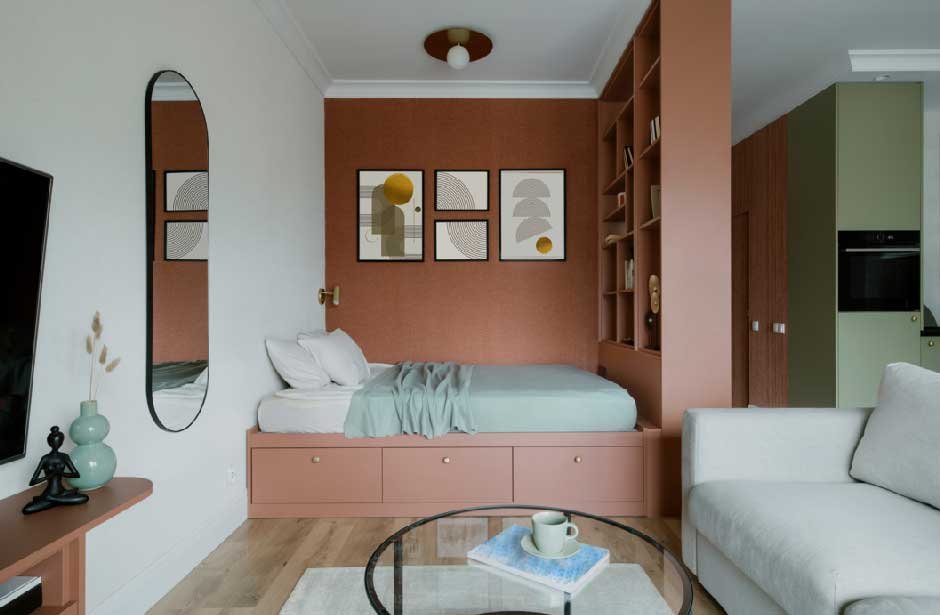
Vertical storage is especially effective. Wall-mounted shelves, over-the-door organizers, and tall cabinets make use of unused height without reducing floor space. Under-bed storage, stackable bins, and multi-use furniture also help keep essential items accessible without visual clutter.
Clear organization systems reduce time spent searching for items and make daily routines smoother. Over time, this contributes to a calmer and more manageable living environment.
Flexible Furniture and Adaptable Layouts
In small homes, flexibility matters. Furniture that can adapt to different uses throughout the day helps spaces stay functional without feeling crowded. Examples include folding desks, nesting tables, or seating that doubles as storage.
Adaptable layouts also support changing needs. A corner that serves as a reading area today might become a study space tomorrow. Designing with mobility in mind—lightweight furniture, open pathways, and modular pieces—allows residents to adjust their homes as life circumstances evolve.
This flexibility is particularly valuable in rental housing, where permanent changes are often restricted. Portable solutions give residents control over how their space functions without violating lease terms.
Visual Design That Expands Space
Smart space design also considers how a home looks and feels, not just how it functions. Visual elements can influence perception, making small spaces feel more open and balanced.
Light plays a major role. Maximizing natural light by keeping windows unobstructed and using light-colored curtains helps brighten rooms. When natural light is limited, layered lighting—such as combining floor lamps and table lamps—creates depth and warmth.
Color choices matter as well. Neutral or soft tones can make spaces feel larger, while consistent color palettes help unify rooms. Mirrors placed strategically can reflect light and create the illusion of additional space without any structural changes.
Affordable Housing and Intentional Design
Affordable housing programs provide critical access to stable homes, but the experience of living in those homes depends greatly on how they are used. Smart design helps residents take ownership of their environment, even when customization options are limited.
Small design improvements can support mental health by reducing stress and increasing comfort. Defined spaces for rest, work, and family activities create structure and predictability—important factors for emotional well-being.
For those actively seeking subsidized housing, Section 8 Listings can help identify available rental options. Once housing is secured, thoughtful design becomes a powerful tool for turning an apartment into a supportive home.
Technology and Efficiency in Small Homes
Smart space design increasingly intersects with technology, even in modest living situations. Efficient appliances, compact electronics, and digital organization tools can reduce physical clutter while improving daily life.
For example, replacing bulky media setups with smaller, multifunctional devices frees up surface space. Digital storage reduces the need for paper files. Simple cable management solutions prevent visual clutter and make rooms feel more organized.
These changes don’t require advanced systems or high costs. They reflect a mindset of efficiency—using tools that support function without overwhelming limited space.
Supporting Families in Compact Living
Families living in small homes face unique challenges, especially when multiple people share limited space. Smart design helps create boundaries and routines that support everyone’s needs.
Children benefit from clearly defined areas for play, learning, and rest. This can be achieved with rugs, shelving, or furniture placement rather than walls. Adults benefit from having designated areas for work or relaxation, even if those spaces are shared at different times of day.
When homes are designed with intention, they support cooperation rather than conflict. This is particularly important in affordable housing, where space constraints are common and flexibility is essential.
Design as a Long-Term Investment
Smart space design is not about perfection—it’s about sustainability. Homes that are easy to maintain, adaptable, and organized reduce burnout and make daily life more manageable. Over time, these benefits add up.
Residents who feel comfortable in their homes are more likely to stay engaged with their communities, maintain their living spaces, and build stable routines. This stability supports broader goals such as education, employment, and family well-being.
For those new to rental assistance programs, learning more through Section 8 information can help clarify eligibility, expectations, and housing processes, making the transition into affordable housing smoother and less stressful.
Rethinking What Small Homes Can Offer
Small homes are often viewed as temporary or limiting, but smart space design challenges that assumption. With thoughtful planning, compact living spaces can be efficient, comfortable, and deeply supportive of everyday life.
Design choices don’t need to be expensive or permanent to be effective. They need to be intentional, flexible, and aligned with how people actually live. When that happens, small homes stop feeling restrictive and start feeling empowering.
Smart space design doesn’t just improve how a home looks—it improves how it works. And in affordable housing, where stability matters most, that improvement can make a meaningful difference every day.