Skip to the good bit
ToggleThe modern home is undergoing a digital revolution, and the most enthusiastic adopters are not just tech-obsessed millennials. Today, Australians over 50 are embracing smart home technology to completely transform how they live, work, and relax. For many, transitioning into the next phase of life is no longer about slowing down. It is about optimising their living spaces to support an active, highly connected, and independent lifestyle. From voice-controlled lighting to automated security systems, digital integration is becoming a standard expectation for modern downsizers.
The Rise of the Connected Downsize
When the time comes to move into a more manageable property, today’s active adults are looking for more than just a smaller floor plan. They want forward-thinking homes that can seamlessly support their digital lives. Whether it involves streaming high-definition entertainment, maintaining a home office, or simply enjoying the convenience of automated climate control, robust digital infrastructure is essential. Modern developments are recognising this shift in priorities. Communities designed for this demographic, such as those built by Lifestyle Communities, are increasingly focused on providing the necessary foundation for high-speed connectivity and modern technological integration. This ensures that residents can easily plug into the smart home ecosystems they have come to rely on without the hassle of retrofitting older properties. By moving into spaces that are already wired for the future, downsizers can save significant time, money, and frustration.
Concrete Advantages for Independent Ageing
The appeal of home automation extends far beyond simple novelty. For those looking to age in place comfortably, these tools provide tangible benefits that enhance daily life and promote long-term well-being. According to insights on digital engagement from the Australian Bureau of Statistics, an increasing number of older Australians are utilizing technology and internet-connected devices to support their everyday routines and maintain crucial social connections. As more people seek to maintain autonomy in their later years, integrating smart home assistive technologies provides crucial ongoing benefits, including heightened energy efficiency, robust safety and security, and vital healthcare monitoring. By taking care of routine tasks and providing genuine peace of mind, technology allows homeowners to focus their energy on their hobbies, travel plans, and social connections.
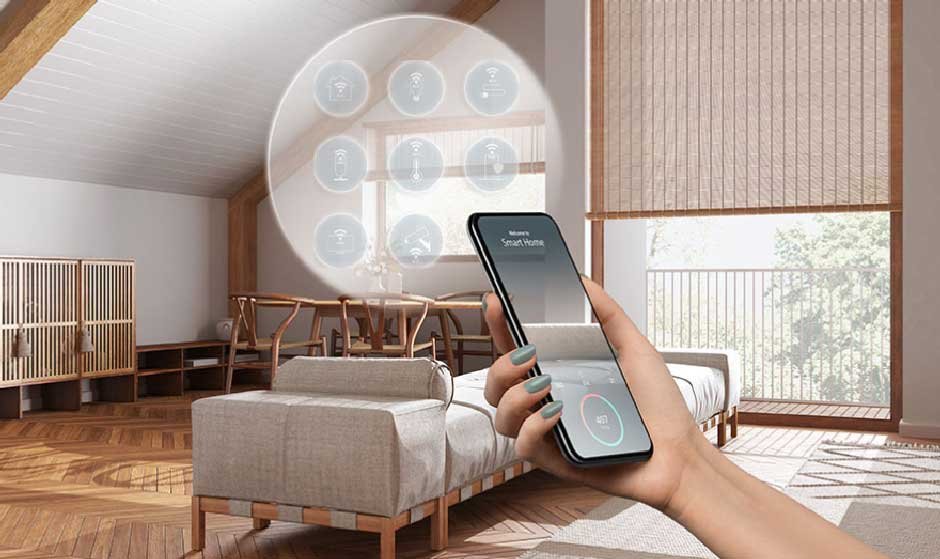
To understand how this looks in a practical setting, consider some of the most popular smart additions for modern downsizers:
- Voice-Activated Assistants: Devices like Amazon Echo or Google Nest allow users to control music, check the weather, and set daily reminders without needing to navigate complex touchscreens or decipher tiny text.
- Automated Lighting Systems: Smart bulbs can be programmed to gradually brighten in the morning or automatically illuminate hallways at night, significantly reducing the risk of trips and falls in the dark.
- Intelligent Climate Control: Smart thermostats learn a user’s daily routine, adjusting the temperature to ensure total comfort while simultaneously reducing monthly energy bills.
- Keyless Entry and Security: Video doorbells and smart locks allow residents to monitor their front door from a smartphone, whether they are relaxing in the living room or holidaying overseas.
Shattering Outdated Tech Stereotypes
The narrative that older Australians are entirely digitally illiterate is rapidly becoming a thing of the past. Recent years have forced a massive acceleration in digital adoption across all age groups. Everyday activities like video calling, online grocery shopping, and telehealth appointments have become standard practice. As a result, the over 50s demographic is more tech-savvy than ever before. They are actively seeking out properties and communities that do not just accommodate their devices but actively enhance their overall digital experience.
This technological fluency also plays a massive role in reducing social isolation, which has historically been a significant challenge for retirees. High-speed internet access ensures that geographical distance is no longer a barrier to staying in touch with children and grandchildren. Furthermore, access to online fitness classes, digital book clubs, and virtual hobby groups helps active downsizers maintain a vibrant social calendar right from the comfort of their living rooms. Being able to connect instantly with like-minded individuals across the country fosters a strong sense of belonging and community.
Looking Towards a Smarter Future
As artificial intelligence and machine learning continue to evolve rapidly, the capabilities of the modern smart home will only expand. We are already seeing the early stages of predictive healthcare monitoring, where discreet home sensors can detect subtle changes in a person’s mobility or daily routine. These subtle alerts can notify them or their family members to potential health concerns long before they escalate into emergencies. Future innovations will likely see even deeper integration between wearable health devices and home environments, creating a truly responsive living space.
Ultimately, the integration of smart technology into over 50s living is about genuine empowerment. It provides a seamless blend of comfort, security, and connectivity that allows active Australians to make the absolute most of their next chapter. By embracing these digital tools, downsizers are not just preparing for the future. They are actively designing a more enjoyable, stress-free, and highly connected present.