
Skip to the good bit
ToggleKey Takeaways:
- Group therapy in Intensive Outpatient Programs (IOPs) offers emotional support and shared experiences, fostering a sense of community.
- Participants develop essential interpersonal skills, enhancing communication and empathy.
- Peer accountability within group settings promotes sustained commitment to recovery goals.
- Group therapy provides practical coping strategies through shared wisdom and experiences.
- Engaging in group therapy reduces feelings of isolation and stigma associated with addiction.
The Role of Group Therapy in IOPs
For many individuals seeking to overcome substance use disorders, Intensive Outpatient Programs, or IOPs, present a flexible and effective treatment option that allows for daily life activities outside of residential care. A fundamental component of these programs is group therapy. In group settings, participants are offered a unique form of emotional support, which is often as vital as medical treatment itself. Within these sessions, those on a path to recovery can engage with others who share similar experiences and challenges. This communal environment not only promotes healing but also establishes a strong network of encouragement that is critical on the journey to lasting sobriety. To learn more about specialized group therapy options, you can explore IOP in Colorado Springs. By participating in these group sessions, individuals can gain practical coping strategies while feeling less isolated in their recovery journey.
IOPs utilizing group therapy aim to create a collaborative space where individuals can openly discuss hurdles and learn from one another. Through shared vulnerability and mutual encouragement, group members foster resilience and inspire growth in their recovery efforts. The shared wisdom and collective motivation found in these group settings become powerful tools for sustaining momentum during and after the program.
Emotional Support and Shared Experiences
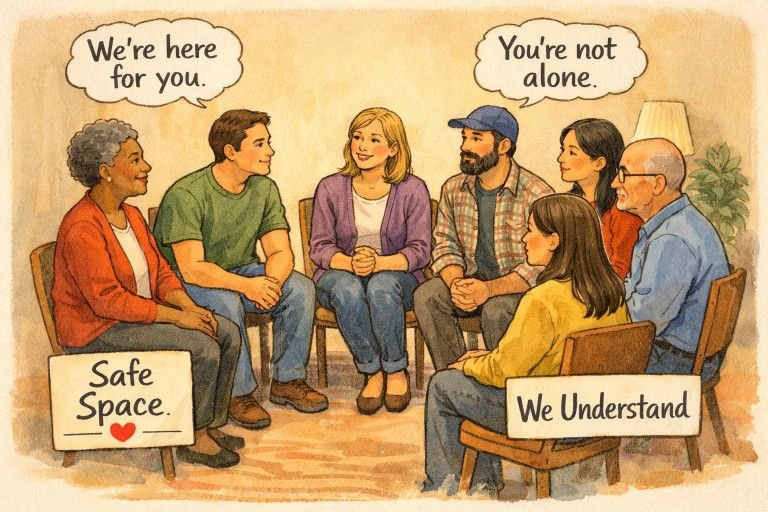
One of the hallmark benefits of group therapy in IOPs lies in the emotional support derived from shared experience. Those who may have once felt isolated by their struggles find comfort in a group of peers who understand their journey. This bond reduces the sensation of being alone and helps individuals feel more accepted and understood. Such environments encourage honest self-expression without judgment, paving the way for deep emotional healing and long-term behavioral change.
The powerful sense of belonging forged in group therapy has been shown to counteract shame and stigma, both common obstacles in substance abuse recovery. When participants see that their peers confront similar fears and setbacks, they gain the courage to confront their own. The nonjudgmental space becomes a supportive platform for celebrating milestones and addressing setbacks together.
Development of Interpersonal Skills
Group therapy provides not only emotional healing but also practical skill-building opportunities. By interacting regularly with other members, individuals become adept at communication and develop empathy and active listening skills. These interpersonal abilities serve them well in daily life, supporting healthier family relationships, friendships, and professional interactions. According to Harvard Health, developing strong social connections is key to mental wellness and can help reduce the risk of relapse.
Accountability and Motivation
Accountability is a core feature of successful group therapy. Participants are encouraged to set individual goals and openly share both progress and setbacks. This practice of reporting to the group increases each member’s responsibility for their recovery. The sense of accountability, paired with regular feedback and encouragement, becomes a vital motivator in staying consistent with recovery goals. When a group celebrates achievements and supports overcoming challenges, each member gains added motivation to persevere and grow.
Practical Coping Strategies
A key advantage of the group dynamic is the regular exchange of practical coping strategies. Individuals in group therapy benefit from hearing how others navigate cravings, triggers, and high-risk situations. These shared strategies provide new tools and perspectives so participants can manage stressors without returning to substance use. Practical tips learned from real-life experiences tend to be more relatable and applicable than theoretical advice alone, making a positive impact on day-to-day recovery management.
Reducing Isolation and Stigma
Feelings of isolation and the stigma surrounding addiction are common barriers that can hinder the progress of recovery. Group therapy directly tackles these hurdles by offering a community-based solution. Participating in a supportive, judgment-free group fosters social connection and inclusion. As individuals connect to others on a similar path, they experience a reduced sense of loneliness, helping to dismantle the negative labels or stereotypes that can come with addiction. The National Alliance on Mental Illness also explains how group environments promote greater inclusion and diminish sensations of isolation tied to substance use.
Long-Term Support Networks
The significance of group therapy frequently extends well beyond the duration of an IOP. Many participants maintain contact with their peers after formal treatment ends, continuing to support and motivate each other. These ongoing connections act as invaluable support systems during the inevitable challenges of post-treatment life. A robust network of understanding peers creates a safety net, reducing the chances of relapse and offering encouragement during tough times. Long-term alumni groups and community networks keep camaraderie alive and provide places to turn for continued advice, encouragement, and friendship.
Conclusion
Group therapy’s role within Intensive Outpatient Programs cannot be understated. By creating a foundation of emotional support, providing opportunities for interpersonal skill development, fostering accountability, sharing coping strategies, and reducing both isolation and stigma, group therapy lays out a comprehensive structure for ongoing recovery. The relationships and practical tools gained from group therapy not only help individuals achieve sobriety but also empower them to maintain a healthier, more connected lifestyle over the long run.