
Skip to the good bit
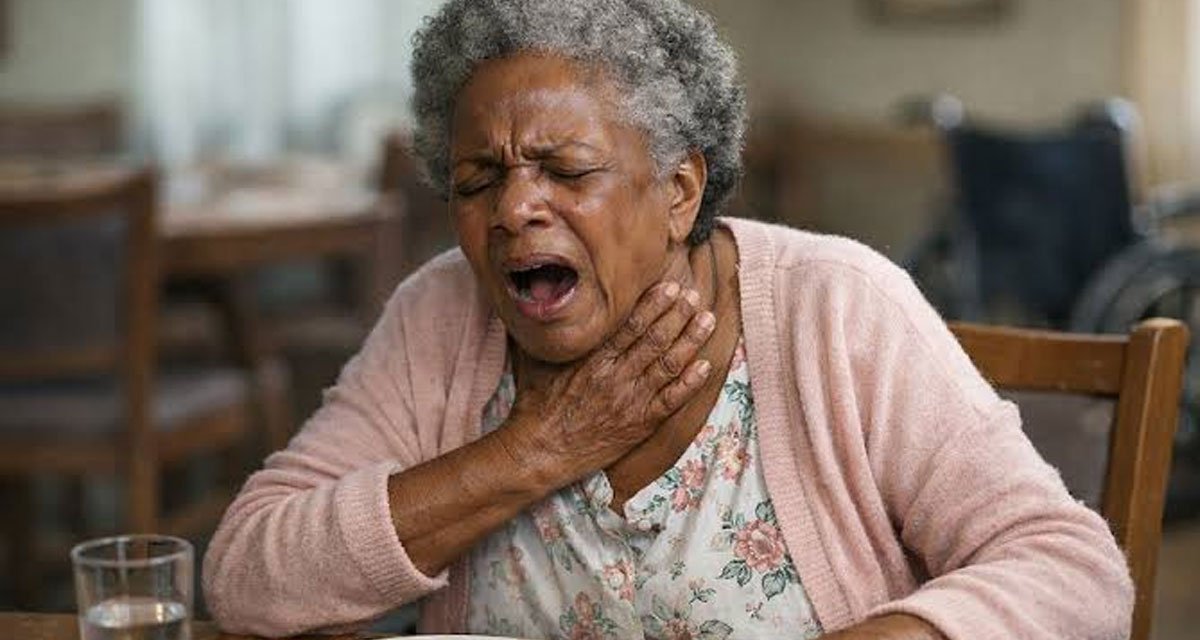
ToggleChoking problems can happen quickly and can have serious or even life-threatening consequences for nursing home residents. For many older adults, swallowing and chewing change with their age, medical conditions, neurological disorders, medications, and other physical limitations. Nursing home staff have the responsibility to recognize these risks and take reasonable measures to keep residents safe when they’re eating.
Some residents may have known swallowing difficulties. It’s important for staff members to understand the person’s care plan and be able to follow any dietary restrictions or feeding instructions. This could be things like providing modified food textures, smaller bites, or even thickened liquids. When all of these precautions are put into place, it can help to reduce the choking risk for patients.
Swallowing Difficulties Are a Big Risk Contributor
One of the most common reasons that nursing home residents experience choking incidents is due to difficulty swallowing. Some residents are more vulnerable to choking because of a condition known as dysphagia. This happens as a result of dementia, stroke, neurological disorders, Parkinson’s disease, and many other medical conditions. Any resident who has dysphagia will have difficulty moving food or even liquid safely from their mouth into their esophagus.
They can experience frequent coughing while they’re trying to eat. It will typically take them longer to finish meals, and they may have wet or gurgling noises after they swallow. When a resident has any of these symptoms, it’s important for nursing home staff to closely monitor them while they eat. It’s fairly common for patients with dysphagia to have recommended changes to their diet to make it safer for them to eat. Unfortunately, if these recommendations aren’t properly communicated to the staff, the resident can have an increased risk of choking while eating.
Texture Plays a Role
Another factor that can play a role in choking incidents in nursing homes is the texture of the food the resident is eating. Some individuals may need chopped or soft foods that are easier to swallow or chew. Anytime a resident’s prescribed dietary requirements aren’t followed by the nursing home staff, it can increase the resident’s choking hazard.
Some common examples of foods that are particularly difficult for someone with swallowing issues to consume are raw vegetables, nuts, meats, and hard candies. It’s important for staff members to monitor and continually update the diets of residents who have or develop swallowing issues.
Not Giving Assistance During Meals
It’s common for some nursing home residents to need assistance while they’re eating. If they have limited mobility and poor coordination, weakness, vision problems, dementia, or other medical conditions, independent eating can be extremely difficult. Residents may require feeding assistance from a caregiver to help with pacing, portions, and even positioning.
Without appropriate assistance, it’s easy for a resident to put too much food in their mouth, eat too quickly, or simply struggle to manage their food safely. Issues like poor supervision and staff shortages can sometimes contribute to increased choking risk. If you believe your loved one experienced a severe choking incident due to not having assistance at mealtime, you should contact an experienced nursing home abuse lawyer like the attorneys at GDH Law for assistance.
Bad Positioning During Meals
How a resident is sitting when they eat can greatly affect their swallowing safety. Some individuals not only need to sit upright when eating but also remain upright for a period of time after consuming food. Any residents who are lying down, reclining, or just improperly positioned will have greater swallowing difficulty. Liquid or food could enter their airway instead of traveling down their esophagus. Proper positioning really depends on the resident’s individual medical needs and their care instructions.
Eating Too Fast
One of the biggest problems with residents who have existing swallowing difficulties is eating too quickly. Doing so can greatly increase the risk of choking. Some residents may eat too rapidly, take large bites, or place additional food in their mouth before they completely swallow. This is fairly common with residents who have cognitive impairments and dementia.
These patients can have difficulty following instructions or even recognizing when they’re eating too quickly. Having feeding assistance and appropriate supervision will help to reduce these risks and ensure they’re not eating their food too fast. Staff can easily provide smaller portions, watch for signs that the resident is experiencing struggling issues, and even allow for more time between bites.
Medication Problems
Unfortunately, certain medications can affect a person’s ability to control the muscles involved in eating. For example, sedating medications greatly affect alertness and coordination. A resident who is taking medication that affects their muscle movements needs to be closely monitored while eating. If the resident is unusually confused or drowsy, they may not be able to safely eat. Staff should always be mindful of the resident’s condition, as it can greatly affect their swallowing ability.
The Severity of Choking Incidents
It’s important to take all choking incidents seriously, even when the resident may seem to recover quickly. The presence of choking indicates a need for further evaluation. Nursing home residents can develop medical conditions that will gradually affect their ability to swallow food safely. Routinely monitoring and changing a resident’s diet is key to their optimal safety.
Choking can lead to a variety of problems like oxygen deprivation, aspiration, brain injury, pneumonia, and even death. After any incident, it’s important for the patient to be medically evaluated. This helps to determine if any food entered their airway or lungs that requires further medical assistance. It’s important for nursing homes to always inform families about serious choking incidents.
Could Neglect Be the Cause of a Choking Incident?
Just because your loved one is in a nursing home and experienced a choking incident doesn’t mean that the staff was neglectful or didn’t act properly. Sometimes choking can happen unexpectedly, even when the appropriate precautions are taken. However, any choking incident does raise concerns about neglect when it comes to the caregivers at their facility.
Issues like failing to provide the required feeding assistance, violating their dietary restrictions, or even leaving the resident unattended are all causes for concern. As a family member, it’s helpful to visit the nursing home facility at times when your family member is eating to ensure they’re getting the appropriate care.