
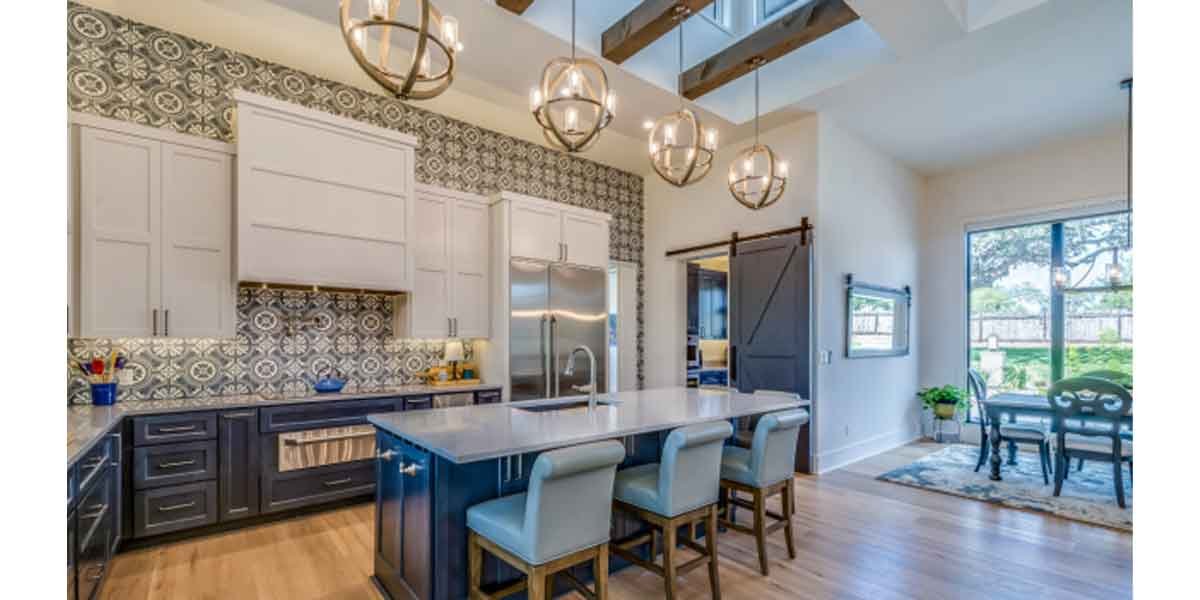
The North American real estate market has undergone a meaningful shift in recent years. Home improvement is no longer simply about refreshing a space for aesthetic appeal. Today, buyers and homeowners alike recognize that comprehensive upgrades that address energy efficiency, structural integrity, modern functionality, and lifestyle-driven design define a property’s true long-term value. Whether you are searching for a newly renovated home or planning your own upgrades before listing, understanding what makes a well-improved property stand out is essential.
Navigating this landscape confidently begins with the right professional guidance. Working with a top real estate agent for finding newly renovated homes gives buyers far more than access to listings. It provides honest, informed assessments of renovation quality, clarity on whether completed work justifies the asking price, and the kind of market-specific insight that turns a good purchase into a sound long-term investment.
What Home Improvement Really Means for Property Value
Home improvement, when executed thoughtfully, does far more than make a property look appealing. It directly influences resale value, buyer demand, and a home’s long-term livability in ways that surface-level updates cannot replicate.
The scale of home improvement investment across North America speaks for itself. In 2024 alone, an estimated $603 billion was channelled into home remodelling projects, a figure that points to something deeper than trend-chasing.
Homeowners are increasingly renovation-minded because the financial and lifestyle returns are well understood and well documented. The right improvements create homes that attract more buyers, command stronger offers, and hold their value across market cycles.
Kitchen and Bathroom Renovations That Move the Market
Kitchens and bathrooms consistently rank among the most impactful renovation investments a homeowner can make. These are the spaces buyers scrutinize most closely, and improvements here translate directly into buyer confidence and resale value.
When it comes to measurable financial return, kitchen upgrades lead the way among interior projects. Industry cost-versus-value analysis from 2025 shows that a well-executed minor kitchen remodel recouped 113% of its cost at resale, making it the strongest-performing interior renovation available to homeowners that year.
Here are key indicators of a quality kitchen or bathroom upgrade:
- Updated cabinetry, countertops, and fixtures that reflect durable materials
- Modern plumbing that has been properly permitted and completed by a licensed professional
- Energy-efficient appliances and ventilation systems
- Coherent, functional layouts that have not simply been refreshed around an outdated floorplan
Open-Concept Layouts, Basement Finishing, and Outdoor Living Additions
Lifestyle-driven design choices have become central to what buyers expect in a renovated property. Open-concept conversions that remove non-load-bearing walls create a sense of space and flow that modern buyers strongly prefer. Finished basements add meaningful square footage, expanding a home’s functional footprint without altering its exterior. Outdoor living additions, including decks, covered patios, and landscaped entertainment areas, extend the livable space and appeal to buyers who prioritize year-round enjoyment of their property.
When reviewing these improvements, buyers should look for the following:
- Structural assessments confirming that wall removals were completed safely and with proper permits
- Basement finishing that includes appropriate moisture barriers, insulation, and egress windows
- Outdoor spaces built with weather-appropriate, low-maintenance materials suited to the local climate
- Consistent design quality that aligns the improved spaces with the rest of the home
Window, Insulation, and Roofing Upgrades That Protect Long-Term Value
Comprehensive upgrades to a home’s thermal envelope and roof are among the most financially sound improvements an owner can make, even if they are less visually prominent than kitchen or bathroom renovations. New windows and proper insulation reduce energy costs, improve interior comfort, and signal to buyers that the home has been maintained with genuine care. Roofing replacement, while costly upfront, protects structural integrity and removes a significant point of concern for buyers during inspection.
Buyers should pay close attention to these areas:
- The age and condition of the roof, including the type of material used and the remaining warranty
- Window quality and whether upgrades were energy-rated and properly sealed
- Insulation specifications, particularly in attics, crawl spaces, and exterior walls
- Evidence of professional, efficient installation
How Buyers Can Evaluate the Quality of a Renovated Home

Not every renovated home has been improved with the same level of care, and buyers who approach the evaluation process without a structured framework risk paying a premium for work that does not hold up. Distinguishing between genuinely improved properties and those that have been cosmetically refreshed for sale is a vital skill a buyer can develop.
A top real estate agent for finding newly renovated homes plays a critical role in this evaluation. An experienced agent understands which improvements offer real value, which renovations are commonly used to mask underlying issues, and how to approach sellers with the right questions before making an offer.
Cosmetic Improvements Versus Meaningful Structural Upgrades
Cosmetic improvements can dramatically improve a home’s visual presentation, but they do not address the mechanical systems, structural elements, or building envelope that determine long-term performance. Buyers should be cautious about properties that look beautiful but lack evidence of deeper work. The distinction comes down to asking the right questions about the following:
- Whether permits were pulled for major renovation work
- Whether licensed contractors were used throughout
- Whether the electrical panel, plumbing infrastructure, and HVAC system are of an appropriate age and capacity for the size of the home
Permit Compliance and Licensed Workmanship
Unpermitted work is a common and consequential issue buyers encounter in renovated homes. Renovations completed without permits may not meet local building codes, can create liability concerns at the time of sale, and may need to be brought into compliance at the buyer’s expense. Key systems such as electrical rewiring, plumbing modifications, and structural alterations all require permits in most Canadian and American jurisdictions.
Buyers should request documentation confirming the following:
- Permits were obtained and subsequently closed for all major renovation work.
- Work was completed by licensed tradespeople with verifiable credentials.
- Final inspections were passed, and records are available for review.
- Any warranty documentation for systems, materials, or appliances is transferable to the new owner.
- Insurance coverage was maintained during the renovation period.
Assessing the Age and Condition of Key Home Systems
Even a beautifully renovated home can carry hidden carrying costs if its core systems are ageing or undersized. Electrical panels, plumbing stacks, and HVAC equipment have defined service lives, and buyers who overlook these elements may face significant expenditures shortly after purchase. A professional home inspection is non-negotiable when evaluating any renovated property, and buyers should ensure the inspector assesses the age of the systems alongside the visible quality of the renovations.
Prioritizing Home Improvement Projects for Maximum Return

For homeowners planning renovations before listing, understanding what buyers value in improved properties is the foundation of a smart upgrade strategy.
The projects most consistently worth prioritizing are:
- Exterior upgrades such as garage door replacement, entry door improvements, and manufactured stone veneer have ranked highest in ROI in recent years.
- Kitchen and bathroom renovations focused on durable materials, functional layouts, and modern finishes.
- Additions of usable square footage, including finished basements and outdoor living spaces.
- Energy-efficient improvements, such as new windows, upgraded insulation, and HVAC modernization, are increasingly factored into buyer purchase decisions.
Homeowners should also consider the difference between projects that improve livability for current occupants and those that most effectively move the needle on resale value. These priorities do not always align, and making that distinction early prevents costly decisions that prioritize personal taste over the eventual buyer’s priorities.
Finding the Right Renovated Home With Professional Guidance
Overall, coordinating with a top real estate agent for finding newly renovated homes is crucial. It means having a knowledgeable advocate who can assess renovation quality with a critical eye, identify red flags before they become expensive problems, and guide buyers toward properties where the improvement investment genuinely supports the asking price.
Well-renovated homes, those that combine lifestyle-driven design with comprehensive upgrades to core systems and structure, represent some of the strongest long-term value propositions in the current market. Buyers who know what to look for and work with professionals equipped to help them find it effectively are far better positioned to make a purchase that delivers lasting satisfaction well beyond the closing date. Home improvement done well is one of the most reliable paths to a property that performs financially, functionally, and personally for years to come.