Skip to the good bit
TogglePreventive health focuses on catching potential issues before they become serious problems. We routinely schedule blood tests, dental cleanings, and eye exams to keep our bodies functioning properly. Yet, one of the most vital organs often gets left off the annual checklist.
The Skin’s Role in Overall Health
The skin does much more than cover your internal organs. It regulates body temperature, prevents dehydration, and defends against harmful bacteria and viruses. Because it covers your entire body, it often acts as a visible dashboard for your internal health.
Changes in skin texture, color, or moisture levels can signal underlying health conditions. For example, sudden rashes might indicate an autoimmune disorder, while persistently dry, itchy skin can point to thyroid issues or nutritional deficiencies. By keeping a close eye on your skin, you and your healthcare providers can catch clues about your systemic health that might otherwise go unnoticed.
Understanding Skin Cancer: Types, Risks, and Statistics
Skin cancer remains the most common form of cancer in the United States. Recognizing the different types and understanding your personal risk factors are essential steps in prevention.
Common Types of Skin Cancer
There are three primary types of skin cancer to be aware of:
- Basal Cell Carcinoma (BCC): This is the most common form, often appearing as a slightly transparent bump on sun-exposed areas like the face or neck.
- Squamous Cell Carcinoma (SCC): Often appearing as a firm, red nodule or a flat lesion with a scaly crust, SCC is highly treatable when caught early.
- Melanoma: While less common, melanoma is the most dangerous form of skin cancer. It can develop anywhere on the body, frequently originating in existing moles that change in size, shape, or color.
Risk Factors
Anyone can develop skin cancer, regardless of skin tone. However, certain factors increase your vulnerability. Heavy exposure to ultraviolet (UV) rays from the sun or tanning beds is a major contributor. Additionally, having a family history of skin cancer, possessing numerous moles, or having a history of severe sunburns elevates your risk.
The Lifesaving Benefits of Regular Skin Checks
Routine skin evaluations provide several distinct advantages for your long-term health and well-being.
High Survival Rates with Early Detection
When skin cancer is identified and treated in its early stages, the survival rates are incredibly high. For instance, the five-year survival rate for localized melanoma is approximately 99%. Regular checks ensure that abnormalities are caught before the cancer has a chance to spread to other parts of the body.
Less Invasive Treatments
Catching a suspicious lesion early often means the treatment will be relatively minor. Many early-stage skin cancers can be removed during a simple in-office procedure. Delaying diagnosis can lead to the need for extensive surgeries, radiation, or chemotherapy.
Total Peace of Mind
Health anxiety is a very real concern for many people. Scheduling a yearly screening removes the guesswork and worry from the equation. Knowing a professional has thoroughly evaluated your skin provides immense comfort and allows you to focus on living your life.
How Skin Checks Actually Work
Monitoring your skin involves a combination of professional evaluations and personal vigilance. Both play a crucial role in catching irregularities.
The Professional Examination
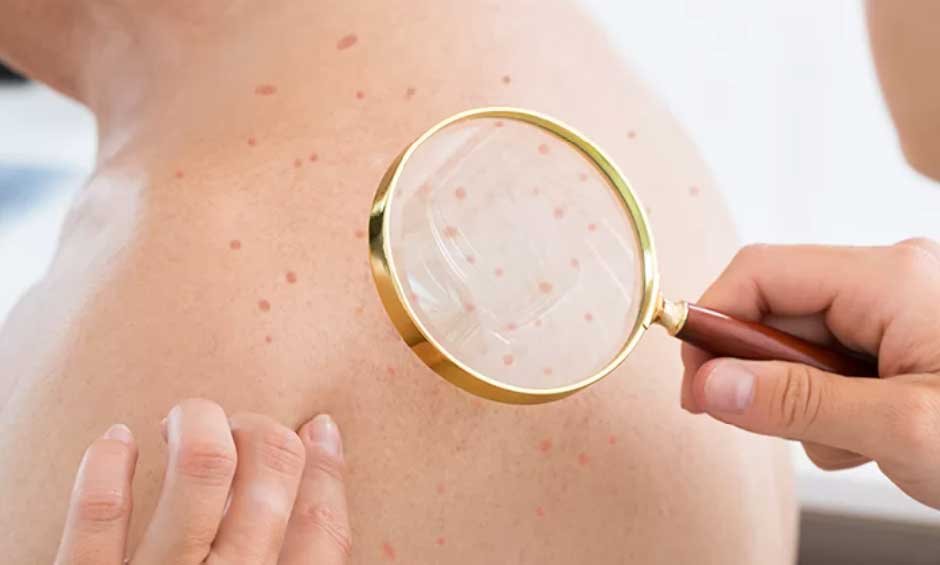
During a clinical exam, a healthcare provider will carefully inspect your skin from head to toe. They will look for any unusual spots, atypical moles, or signs of sun damage. If you have a personal or family history of skin issues, booking an appointment with a dermatologist for a skin cancer check in Ogden, UT, is highly recommended. These specialists use tools like dermatoscopes and magnifying lenses to see structures beneath the skin’s surface, ensuring a highly accurate assessment.
Performing Self-Checks at Home
You should also conduct monthly self-examinations. Use a full-length mirror and a hand mirror to check hard-to-see areas like your back, the scalp, and the soles of your feet. Follow the ABCDE rule for evaluating moles:
- Asymmetry: One half does not match the other.
- Border: Irregular, scalloped, or poorly defined edges.
- Color: Varied shades of tan, brown, black, or even red and blue.
- Diameter: Larger than a pencil eraser (though melanomas can be smaller).
- Evolving: Any change in size, shape, color, or elevation.
Integrating Skin Checks into Annual Health Screenings
Medical systems traditionally separate dermatological care from general preventive medicine. It is time to bridge that gap. When you schedule your annual physical, ask your primary care physician to perform a basic skin exam. Many doctors are trained to spot the early warning signs of skin cancer and can refer you to a specialist if they find anything suspicious.
Making skin checks a standard part of the annual physical normalizes the process. It ensures that everyone, especially those who might not think to book a separate dermatology appointment, receives this lifesaving screening.
Conclusion
Taking care of your body means looking at the complete picture. Your skin protects you every single day, and it deserves the same level of preventive care as your heart, teeth, and eyes. By advocating for routine skin screenings and staying vigilant at home, you take complete control of your health. Schedule your next evaluation, practice sun safety, and give your skin the attention it truly needs.