
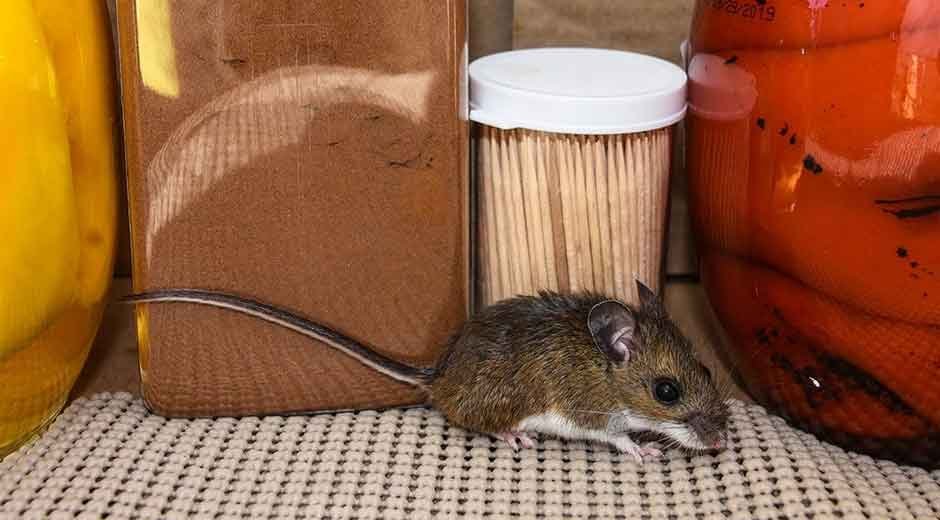
Your home should be a place of comfort and safety, but pests like ticks and mice often slip past unnoticed until they cause problems. These two invaders may be different in behavior, but both bring serious risks to health and home. Ticks creep onto pets and people, while mice chew through walls, wires, and food supplies. By understanding how these pests operate and learning how to prevent and eliminate them, you can reclaim your living space and enjoy peace of mind.
The Unwelcome Duo – Why Ticks and Mice Are a Problem
Ticks and mice are more than just nuisances. They can compromise both your health and your home’s safety.
Ticks are infamous carriers of diseases such as Lyme disease, babesiosis, and Rocky Mountain spotted fever. Their bites can go unnoticed for hours, giving them plenty of time to transmit dangerous bacteria.
Mice, meanwhile, are notorious for spreading illnesses like salmonella and hantavirus. When they contaminate food or surfaces with droppings and urine, they put your family’s health at risk. On top of that, mice gnaw on wires, insulation, and wood, creating costly property damage and even fire hazards.
Together, ticks and mice pose a double threat that homeowners cannot afford to ignore.
Spotting the Signs Early
The sooner you notice a pest problem, the easier it is to control.
For ticks, the warning signs are often subtle. You may find them clinging to pets, hidden in carpets, or even crawling on furniture. Excessive scratching in pets or tiny dark specks on their fur could indicate tick activity.
Mice leave more obvious clues. Look for droppings near food storage, gnaw marks on baseboards or packaging, and shredded paper or fabric used as nesting material. Noises like scratching or scurrying in the walls at night are also clear giveaways.
Early detection can save you from a full-blown infestation and the headaches that come with it.
How Ticks and Mice Find Their Way Inside
Ticks and mice enter homes differently, but both are opportunistic.
Ticks typically hitch rides indoors by latching onto pets, shoes, or clothing after outdoor activities. They settle in warm, hidden areas such as rugs, upholstery, or pet bedding once inside.
Mice, on the other hand, actively search for ways to sneak in. They can squeeze through holes as small as a dime and exploit cracks, vents, and gaps around doors and windows. Cold weather often drives them indoors in search of warmth, while crumbs and unsecured food supplies keep them around.
When comparing rodents, many homeowners wonder what sets mice apart from rats. The main difference lies in size and behavior: rats are larger, more cautious, and cause more extensive damage, while mice are smaller, reproduce faster, and are more likely to invade in greater numbers. Knowing these differences helps you tailor prevention strategies effectively.
Seasonal changes also play a big role. Tick activity peaks in warmer months, while mice are more likely to invade during the colder seasons. Anticipating these cycles allows you to prepare before infestations take hold.
Prevention First – Protecting Your Home and Family
Prevention is always better than dealing with a pest invasion after it happens.
To deter ticks:
- Keep your lawn mowed and trim bushes regularly.
- Create a barrier of gravel or wood chips between wooded areas and your yard.
- Regularly check pets for ticks and use veterinarian-approved preventives.
- Seal cracks and gaps around your home to limit entry points.
To keep mice out:
- Store food in airtight containers and clean up crumbs right away.
- Take out trash frequently and avoid leaving pet food out overnight.
- Seal small openings with steel wool or caulk, as mice can chew through softer materials.
- Declutter garages, basements, and storage areas to reduce nesting spots.
These steps not only reduce the risk of infestations but also make your home less attractive to pests in the first place.
Safe and Effective Ways to Get Rid of Them
If pests have already made their way inside, don’t panic; you have options.
For ticks, natural remedies such as diatomaceous earth or essential oils like eucalyptus, lavender, and cedar can help repel them. Vacuuming frequently and washing bedding in hot water also disrupts tick life cycles indoors. For larger infestations, it’s best to seek professional help. Visit GL Pest Control for professional tick control services that ensure ticks are thoroughly eliminated and prevented from coming back.
Mice can be managed with humane traps that allow you to catch and release them away from your property. Ultrasonic repellents and natural deterrents like peppermint oil can also help reduce activity. However, when mouse infestations are severe, professional rodent control is often the most reliable choice.
Balancing DIY approaches with expert intervention ensures that your home stays pest-free without unnecessary risks.
Long-Term Protection for a Pest-Free Home
Eliminating ticks and mice once isn’t enough; you’ll need ongoing vigilance.
Develop a consistent routine of yard care, pet grooming, and home inspections. Regular cleaning and clutter reduction make your home less inviting to pests. Seal new cracks or holes as soon as they appear, and don’t neglect seasonal maintenance.
For homeowners who want complete assurance, investing in professional pest control services provides long-term benefits. Experts can monitor your property, apply preventive treatments, and stop small issues before they become major infestations. The cost is often far less than the price of repairing damage or dealing with health complications later on.
Conclusion
Ticks and mice may be small, but their impact on health, safety, and comfort is significant. Ticks spread dangerous diseases while hiding in plain sight, while mice chew, contaminate, and multiply quickly. By recognizing the signs early, practicing prevention, and knowing when to call professionals, you can keep your home protected.
Don’t let pests take control. Act today to create a healthier, pest-free environment for your family and pets.