Skip to the good bit
ToggleIntroduction
A new garage door refreshes your exterior and daily routine. You want quiet operation, better insulation, and a look that fits your home. This guide shows what to choose, what to expect during install, and how to get lasting performance. For local help, visit Garage Door Installation in Montgomery, IL.
What does garage door installation include?
Pro installation covers measurement, safe removal, new tracks and hardware, panel mounting, spring and cable setup, opener connection, balancing, and a full safety test.
What Today’s Homeowners Expect From a Garage Door Upgrade
Homeowners want beauty, performance, and smart control in one purchase. The right door should look sharp, run quietly, resist weather, and hold its seal. Smart access adds convenience for deliveries, guests, and busy mornings.
Classic exteriors lean toward carriage details and warm finishes. Newer builds suit flush panels or glass and aluminum. Montgomery’s temperature swings make insulation and weather seals valuable.
Start with the look you love, then confirm insulation, hardware quality, and opener compatibility.
Classic vs Modern Garage Doors: Styles, Features, and Fit
Style should match your architecture and daily use. Classic raised panels and carriage profiles add texture and depth. Real wood has unmatched character but needs periodic refinishing. Faux wood reduces upkeep.
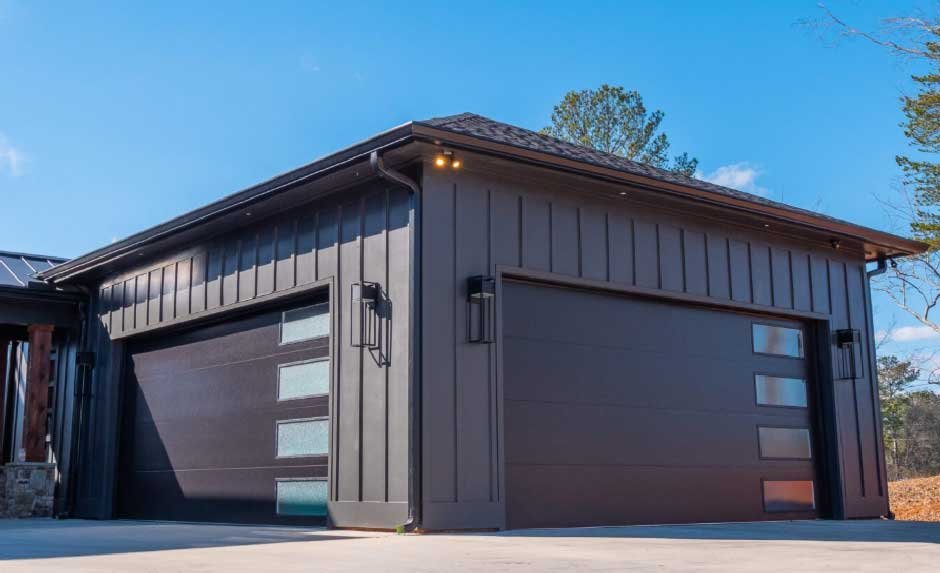
Modern designs favor clean lines. Full-view glass with aluminum frames or flush steel panels create a crisp, contemporary façade. Many modern doors pair with smart openers and high R-values for comfort.
Quick comparison
- Fit: Classic for traditional homes, modern for contemporary layouts
- Durability: Steel and composites handle weather well; wood needs care
- Maintenance: Wood is higher touch; steel and aluminum are simpler
- Comfort: Insulated builds reduce noise and drafts
Types of Garage Doors We Install
Materials control strength, upkeep, and the feel of your exterior. Steel is popular for value, impact resistance, and insulation options. It handles Midwest weather reliably.
Wood and faux wood bring warmth and curb appeal. Faux wood keeps the look while limiting maintenance.
Glass and aluminum flood interiors with light and create a statement front. These fit modern renovations and creative spaces.
Insulated doors improve comfort in attached garages and cut street noise. Smart-enabled doors add app control, schedules, and alerts.
What Professional Garage Door Installation Looks Like (Step-by-Step)
A precise install protects your home and hardware. Measurement and leveling ensure a square, sealed opening. Safe removal avoids damage to framing. New tracks and brackets set the foundation so panels travel cleanly.
Springs and cables are tensioned for balance. The opener connects to a straight, reinforced header. Final checks confirm auto-reverse, smooth travel, and quiet operation.
Checklist
- Measure opening and confirm level
- Remove door and tracks
- Install brackets and tracks
- Mount panels in sequence
- Set rollers, springs, and cables
- Connect and program the opener
- Balance, test, and inspect safety features
Wrap with a homeowner walkthrough and care tips for a smooth first week of use.
Why Choosing a Local Montgomery Installer Matters
Local teams understand weather, brands that hold up, and common framing quirks. That insight guides better door selection, insulation levels, and opener types.
Nearby service shortens scheduling and follow-ups. Familiarity with local codes and HOA norms prevents rework.
You gain faster responses, fit-for-climate materials, and support that sticks.
Cost Factors for Garage Door Installation (No Exact Prices)
Budgets vary by design, size, and customization. Materials lead the spread. Steel and composite cover most needs. Wood and glass cost more due to finishes and framing.
Insulation level influences comfort and price. Custom windows, hardware, and color upgrades add cost. Removal, framing fixes, and opener changes can affect labor.
Mistakes to Avoid When Choosing a New Garage Door
Skipping insulation can lead to drafts and echoing noise. Mismatching style and façade hurts curb appeal.
DIY work on springs risks injury and misalignment. Ignoring warranties or parts availability makes future repairs harder.
Confirm fit, choose insulation for climate, and keep installation professional.
Small Case Study: A Montgomery Exterior Refresh
A homeowner replaced a dented, noisy steel door with a flush insulated panel featuring frosted windows. The job wrapped before lunch. Noise dropped, the foyer felt warmer, and the façade looked current without a full remodel.
Maintenance Tips to Extend Your Garage Door’s Life
Routine care keeps the door quiet and balanced. Lubricate rollers and hinges annually with a non-silicone product. Wipe tracks and check weatherstripping for gaps.
Test auto-reverse monthly with a scrap piece of wood. Recalibrate smart openers after firmware updates or network changes.
Book a yearly tune-up to spot worn rollers, frayed cables, or weak springs early.
Why Choose Us for Your Garage Door Installation
You get careful measurement, clean removal, and a methodical build. Technicians handle every step, from spring tension to opener alignment.
Hardware and workmanship are backed by clear warranties. Scheduling is fast, communication is direct, and support is local.
The result is a door that looks sharp, runs smooth, and lasts.
Call to Action
Ready for a cleaner look and quieter drive-in? Contact our local team, compare styles, and schedule installation. Get a door that upgrades comfort, security, and the face of your home.
FAQs
How often should I service my garage door?
Once a year is ideal for inspection, lubrication, and safety checks.
Can I reuse my old opener?
Yes if it is compatible, safe, and strong enough for the new door.
Will an insulated door help an attached garage?
Yes. It reduces drafts, noise, and temperature swings in adjacent rooms.
What size door do most homes use?
Singles are often 8 or 9 feet wide by 7 feet tall. Doubles are commonly 16 by 7.
Can I add windows later?
Some models allow window section swaps. Ask before purchase.
What color should I choose?
Match trim or the primary field color. Neutral finishes age better and help resale.
Do smart openers work during outages?
Use a battery backup model or manual release for access when power is out.
Conclusion
A thoughtfully chosen door upgrades style, comfort, and security in one project. Focus on fit for your home, insulation for climate, and professional installation. Take the next step and move toward a quieter, stronger, better looking entry.