
Skip to the good bit
ToggleStress can show up in your thoughts and your body. You might feel worry in your chest. You might clench your jaw without noticing. Mental health support works best when it fits real life.
Many people start with talk therapy, then add body-based care. That combo can help you feel steady again. If you are searching for best cbt for anxiety, CBT can be a clear first step because it teaches simple skills you can practice daily.
How Anxiety Affects the Body and Daily Habits
Anxiety is not only in the mind. It can raise your heart rate and tighten your muscles. Sleep can get lighter. Digestion can feel off.
Small triggers can feel big when your body stays on alert. That is why calming the nervous system matters. A steady body often supports a steadier mind.
What CBT Does in Plain Terms
CBT helps you notice thought patterns that push anxiety higher. It teaches you to test those thoughts. Then you replace them with more balanced ones.
Sessions often include simple homework. You might track triggers. You might practice breathing and coping statements. Progress builds through repetition.
Simple CBT Skills You Can Use Today
Write down one worry and rate it from 1 to 10. Then write a calmer version of that thought. Read it out loud once.
Try a short body check. Relax your shoulders. Unclench your tongue from the roof of your mouth. Slow your exhale for ten seconds.
Why Touch-Based Care Can Help Alongside CBT
Some people understand their anxiety but still feel tense. Bodywork can help release that stored tightness. It may also improve sleep and reduce headaches.
Reflexology and massage do not replace mental health care. They can support it. The goal is a calmer baseline, not a quick fix.
Reflexology Basics for Stress Support
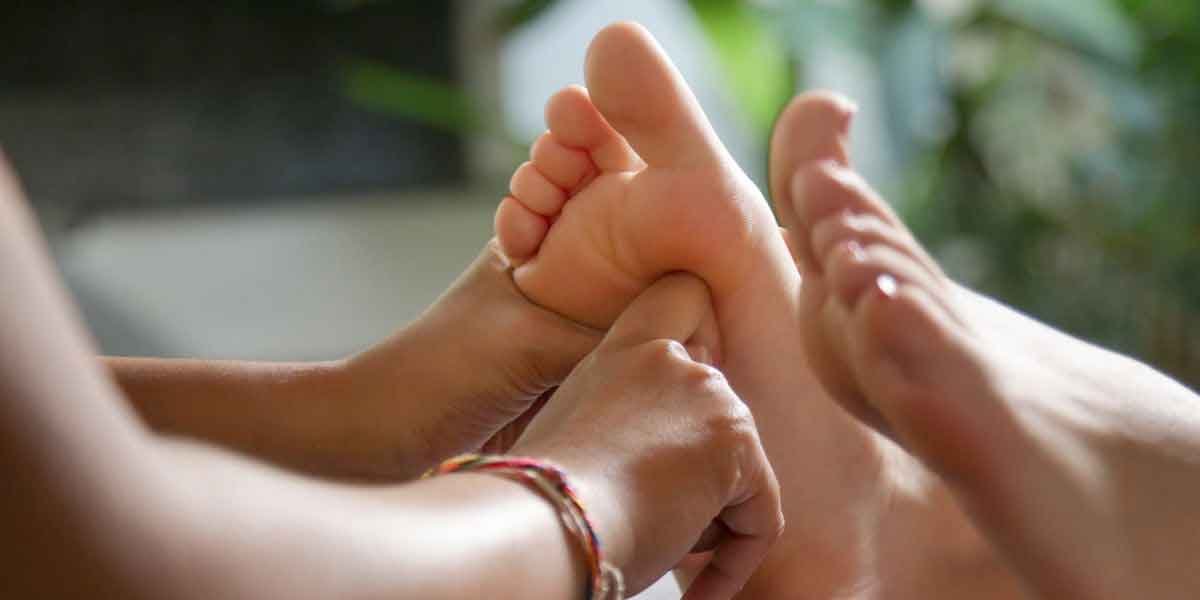
Reflexology focuses on pressure points, often on the feet and hands. Many clients find it soothing. The slow rhythm can help the body shift out of fight or flight.
If you are exploring training or want to understand the zones better, click here for a course that explains reflex areas in a clear way.
Massage Programs That Build Real-World Skills
Massage training teaches anatomy, safety, and technique. You also learn how to set boundaries and communicate well. Those skills matter in mental health related work.
A strong program includes supervised practice. It also teaches how to spot red flags. That protects both you and your clients.
Building a Client Session That Feels Safe
Start with simple questions. Ask about pain, sleep, and stress levels. Keep your tone calm and steady.
Explain what you will do before you do it. Offer choices like pressure level and positioning. Consent is not a one-time checkbox. It is ongoing.
When to Refer to a Mental Health Professional
Some signs need extra care. Panic attacks that keep returning are one example. Thoughts of self-harm are another.
A good practitioner knows their scope. Referring to a client can be supportive, not dismissive. It shows you take their health seriously.
Training Path Ideas for a Wellness Career
Many people begin with one track, then expand. Some start in reflexology and add massage later. Others begin with massage and add stress coaching skills.
Look for programs that teach ethics and trauma-aware care. Your work becomes stronger when you understand how stress changes the body. If you want formal training in massage, learn more about a program option in New Westminster.
FAQ
Can CBT help if my anxiety feels physical?
Yes, CBT can still help. It teaches tools that lower the alarm response over time. Many people notice fewer body symptoms as worry drops.
Is reflexology safe for most people?
It is usually safe, but it depends on the person. People with certain conditions should ask a doctor first. A trained reflexologist should also review health history.
Does massage cure anxiety?
Massage does not cure anxiety on its own. It may lower tension and improve sleep. Many people use it as support alongside therapy.
How do I choose a massage program?
Check for a clear curriculum, supervised practice, and safety training. Ask about clinic hours and instructor support. A good program explains scope and ethics.
What should I do if a client shares trauma details?
Listen without pushing for more. Keep the session focused on safety and consent. Encourage professional mental health support when needed.
Conclusion
Pick one support tool for the mind and one for the body. Schedule a CBT consult if anxiety is affecting daily life. Add reflexology or massage care to reduce muscle tension and improve sleep. If you want to work in this field, choose training that teaches safety, consent, and calm communication, then practice those basics in every session.