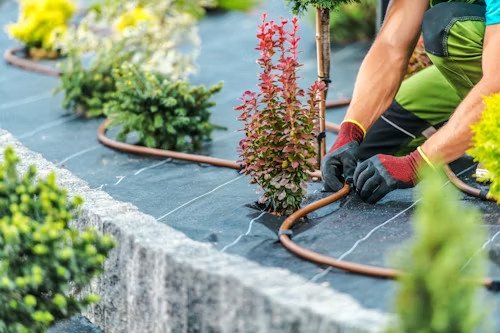
Keeping weeds under control takes time, especially in large gardens and landscaping areas. Many gardeners now use a landscaping fabric weed barrier because it reduces weed growth without constant maintenance. A quality fabric also helps soil stay stable while still allowing water and air to move through naturally. This makes garden beds cleaner and easier to manage throughout the season.
Recent competitor analysis shows that top ranking articles focus on durability, permeability, UV resistance, and proper installation. Many also discuss the problems caused by cheap fabric that tears quickly or blocks water flow. The best PE Weed Barrier Fabric stands out because it balances strength with breathability. That combination matters for flower beds, vegetable gardens, pathways, and gravel areas.
Why PE Weed Barrier Fabric Works Better for Long Term Use
Polyethylene weed barrier fabric is designed for outdoor conditions where moisture, sunlight, and soil pressure can damage weaker materials. A stronger woven structure helps prevent tearing during installation and heavy use. This is important in gardens with mulch, gravel, or frequent foot traffic. Durable fabric also reduces the need for replacement after every growing season.
Many homeowners choose PE fabric because it blocks sunlight from reaching weeds while still allowing water to pass through the soil. This helps maintain healthier root systems for plants. It also prevents the compacted soil issues often mentioned in competitor reviews about low quality barriers. With proper installation, the material stays effective for a longer period without constant adjustments.
Top Features to Look for Before Buying
Water and Air Permeability
A good landscaping fabric weed barrier should allow water and oxygen to move through the soil naturally. If water sits on top of the fabric, plant roots may struggle over time. Breathable fabric supports healthy soil conditions while reducing standing moisture problems. This is especially important for vegetable gardens and flower beds.
Competitor content often highlights poor drainage as one of the biggest problems with cheap weed barriers. Strong PE fabric solves this issue by combining weed control with proper permeability. This helps maintain balanced soil moisture during hot weather or rainy periods. Plants grow better when roots receive consistent airflow and hydration.
UV Resistance for Outdoor Durability
Sun exposure weakens many lower grade fabrics after extended outdoor use. UV resistant PE material lasts longer because it handles heat and direct sunlight more effectively. This matters in open landscapes where fabric remains partially exposed around pathways or gravel areas. Better UV protection means fewer cracks and tears over time.
Several leading gardening websites mention that long lasting performance depends heavily on UV treatment. Fabric without protection often breaks apart after one season. Stronger PE weed barrier material stays stable longer and supports cleaner landscaping with less maintenance. That durability makes it useful for larger projects where replacement would take extra effort.
Best Areas to Use Landscaping Fabric Weed Barrier
Garden Beds and Flower Borders
Garden beds are one of the most common places where weeds spread quickly. Installing a landscaping fabric weed barrier beneath mulch helps reduce weed growth while keeping the area neat. The fabric creates a cleaner appearance around flowers, shrubs, and decorative plants. It also helps mulch stay separated from the soil.
Using the best PE Weed Barrier Fabric in flower borders reduces the amount of hand weeding needed during peak growing seasons. The fabric works especially well in permanent beds where plants remain in place for years. This creates a more organized garden layout with less maintenance throughout the year.
Gravel Pathways and Hardscape Areas
Weeds growing through gravel paths can make outdoor spaces look neglected. A durable weed barrier beneath gravel helps stabilize the surface and limits unwanted plant growth. This keeps pathways cleaner and easier to maintain. It also helps gravel stay evenly distributed across the area.
Many top competitor articles explain that stronger fabric performs better under decorative stones because it resists punctures and movement. PE fabric is commonly used for walkways, patios, and side yard paths where long term durability matters most. Proper installation also improves drainage beneath gravel surfaces.
Common Problems With Cheap Weed Barrier Fabric
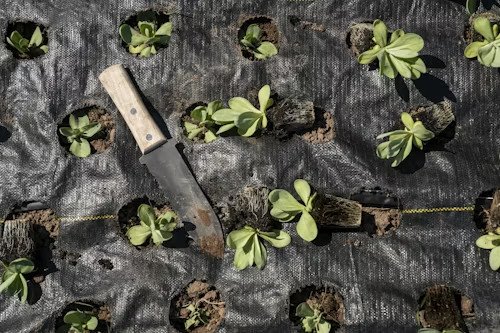
Low quality fabric often becomes thin, brittle, or clogged after exposure to weather and soil debris. Some materials tear during installation, especially around rocks or heavy mulch. Others block water instead of allowing it to pass through naturally. These issues reduce the effectiveness of the weed barrier over time.
Competitor reviews frequently mention weeds eventually growing through damaged or weak fabric. Once the material breaks down, removal becomes difficult because roots tangle into the surface. Choosing thicker PE fabric reduces these problems and supports cleaner landscaping results. Stronger material also saves time by reducing the need for frequent replacement.
Installation Tips for Better Weed Control
Prepare the Ground Properly
Before installing any landscaping fabric weed barrier, remove existing weeds, grass, and sharp debris from the area. A smooth surface helps prevent tears and uneven placement later. Flattening the soil also improves contact between the fabric and the ground. This creates better weed suppression across the entire space.
Overlapping the edges slightly is another important step. Small gaps between sections can allow weeds to grow through exposed areas. Many professional landscaping guides recommend securing the fabric tightly with garden staples to prevent shifting during rain or windy conditions.
Add Mulch or Gravel on Top
Covering the fabric with mulch or gravel improves both appearance and durability. Mulch protects the material from direct sunlight while helping soil retain moisture. Gravel creates a clean finish for pathways and decorative spaces. Both options improve long term performance.
Most competitor articles recommend adding a proper top layer because exposed fabric tends to wear faster. Mulch also helps regulate soil temperature during warmer months. This combination creates a more effective and longer lasting weed control system.
How the Best PE Weed Barrier Fabric Supports Soil Health
One concern mentioned across gardening forums is whether weed barriers harm soil quality over time. Breathable PE fabric helps avoid many of these problems because it allows moisture and airflow to continue reaching the soil. This supports microbial activity and healthier plant roots. Proper permeability is one reason why woven PE fabric remains popular in landscaping projects.
Organic mulch placed above the fabric can also improve soil conditions gradually. As mulch breaks down, nutrients move into the soil while the barrier continues suppressing weeds. This creates a cleaner growing environment without constant digging or pulling weeds manually.
Choosing the Right Fabric Thickness
Thicker fabric usually works better in high traffic or heavy gravel areas. It resists punctures and movement more effectively than lightweight material. Gardens with decorative stone or large pathways often need stronger fabric for long term use. Lighter options may still work for temporary vegetable gardens or seasonal flower beds.
Many high ranking competitor pages compare woven and non woven materials based on durability. Woven PE fabric is commonly preferred because it balances flexibility with strength. Choosing the right thickness depends on the type of landscaping project and expected outdoor conditions.
Conclusion
A durable landscaping fabric weed barrier can make garden maintenance easier while helping outdoor spaces stay cleaner for longer periods. Strong PE fabric supports weed control without blocking water and airflow to the soil. This balance is important for healthy plants and stable landscaping results. It also reduces the ongoing work required to manage weeds manually.
The best PE Weed Barrier Fabric performs well in flower beds, gravel pathways, vegetable gardens, and decorative landscapes. Choosing a durable and breathable material helps avoid common problems found in weaker fabric options. With proper installation and coverage, the right weed barrier can support cleaner and more organized outdoor spaces for years.
FAQs
What is the best PE Weed Barrier Fabric used for?
It is commonly used for garden beds, pathways, landscaping projects, and gravel areas to reduce weed growth.
Does landscaping fabric weed barrier allow water through?
Yes, quality PE fabric allows water and air to pass through while blocking sunlight from weeds.
How long does PE weed barrier fabric last?
Durability depends on fabric quality and installation, but stronger PE material can last several years.
Can weed barrier fabric be used under gravel?
Yes, it is widely used beneath gravel to improve stability and reduce weed growth.
Is woven PE fabric better than thin plastic sheets?
Woven PE fabric is usually stronger, more breathable, and better suited for long term landscaping use.