
Skip to the good bit
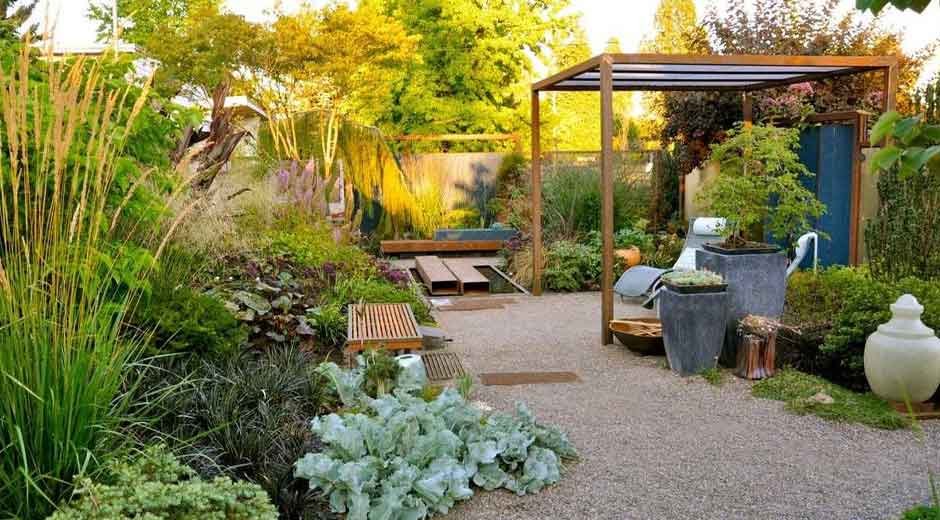
ToggleA sustainable backyard isn’t just an outdoor decoration; it’ a functioning ecosystem that reduces environmental strain, saves resources, and supports local biodiversity while also providing a calm and productive personal space. With thoughtful planning and consistent care, any backyard, whether large or small, can become a low-impact environment that benefits both daily life and the surrounding ecosystem.
This guide covers the essential elements of sustainable backyard design, from planning and plant selection to water conservation, wildlife support, material choices, and ongoing maintenance strategies.
Plan The Layout With Purpose
A sustainable backyard begins with strategic planning. Without a proper layout, even the best intentions can result in wasted materials, inefficient use of space, and higher long-term maintenance efforts.
Start by observing natural patterns across the yard. Look at how sunlight moves from morning to evening. Identify which areas receive full sun, partial shade, and full shade. Note how wind flows and where rainwater tends to accumulate or drain too quickly. These simple observations guide plant placement and structural decisions, like including a diy koi pond.
Divide the space into functional zones based on intended use. Common zones include:
- Food production area for fruit, vegetables, and herbs
- Quiet relaxation area for seating and shade
- Utility section for compost and storage
- Wildlife and pollinator zone
- Water feature section, such as a pond or rain garden
Each zone should serve a clear purpose and be positioned for efficiency. For example, vegetable gardens should be near a water source and easily accessible for daily care. Seating areas should sit in naturally cooler parts of the yard or under shade.
Incorporating a pond can greatly enhance sustainability when done correctly. A well-designed water feature regulates microclimate conditions, improves air humidity, and supports beneficial wildlife. Natural filtration, aquatic plants, and proper oxygenation reduce maintenance while keeping water healthy.
Mapping everything on paper or digitally before starting prevents unnecessary material waste and helps identify potential problems early.
Choose Native And Climate-Adapted Plants
Plant selection forms the foundation of sustainability. Native plants are naturally suited to local weather, soil, and rainfall patterns. This means they thrive with less water, minimal fertilization, and limited pest control.
Start by researching which plants naturally occur in the region. Native plant nurseries, local botanical gardens, and extension offices provide reliable information.
A balanced plant mix strengthens ecological stability. Focus on including:
- Canopy trees for shade and temperature regulation
- Shrubs and hedges for structure and habitat
- Flowering perennials for pollinators and seasonal color
- Groundcovers to protect soil and prevent erosion
- Limited annuals for brightness and variety
Climate-adapted plants from similar regions can also perform well if chosen carefully. Look for drought-tolerant and heat-tolerant varieties that don’t require constant care.
Plant diversity reduces vulnerability to pests and diseases. A monoculture landscape is more likely to suffer large-scale plant failures, whereas a diverse backyard ecosystem increases resilience and overall health.
Improve Soil With Natural, Long-Term Methods
Soil health determines the strength and longevity of any garden. Poor soil leads to weak plants, higher water use, and constant fertilizer dependency.
Begin with a basic soil test. This reveals information about pH level, organic matter content, and nutrient availability. Use the results to guide soil improvements naturally.
Organic soil enrichment methods include:
- Home-made compost from food and yard waste
- Leaf mold created by slowly decomposing leaves
- Worm castings that add nutrients and beneficial microbes
- Well-aged animal manure from trusted sources
- Covering crops that rebuild soil structure naturally
Mulching plays a crucial role in soil health. Organic mulch, such as straw, bark, or wood chips, protects soil from erosion, regulates temperature, and feeds microorganisms as it breaks down.
Avoid frequent tilling. Excessive disturbance destroys soil structure and beneficial microbial networks. Where possible, use no-till or low-till gardening methods to preserve soil ecosystems.
Design Efficient Water Management Systems
Water use is one of the most important areas to address when building a sustainable backyard. Efficient water systems reduce waste and protect local water supplies.
Replace traditional sprinklers with precision watering methods like drip irrigation systems that deliver water directly to plant roots. This reduces evaporation loss and prevents water waste.
Soaker hoses also provide slow and controlled water distribution. These systems can be connected to timers for automated scheduling.
Rainwater harvesting offers another effective solution. Installing rain barrels at downspouts captures roof runoff for garden use. Even small setups can collect hundreds of gallons over a rainy season.
Design the landscape to naturally guide water where it’s needed. Swales, rain gardens, and contouring slow down water runoff and allow it to soak into the ground.
Mulching further reduces water evaporation and protects soil moisture during warm months.
Reduce Traditional Lawn Areas
Conventional lawns require high water consumption, frequent mowing, and chemical inputs. Reducing turf area significantly improves sustainability.
Analyze the yard and identify areas where grass serves no functional purpose. Replace those areas with:
- Native plant beds
- Low-growing groundcovers
- Decorative gravel or mulched zones
- Natural wildflower spaces
These alternatives reduce water use, eliminate frequent mowing, and increase pollinator habitat.
Where lawn must remain, choose drought-tolerant grass varieties suited to the local climate. Set mower blades higher to encourage deeper root growth and shade the soil naturally. Leave grass clippings on the lawn to return nutrients to the soil. This practice reduces the need for fertilizers and prevents unnecessary waste.
Establish A Reliable Composting System
Composting transforms waste into a powerful soil resource. It closes the loop on organic material that would otherwise go into landfills. A composting system can be simple or advanced, depending on available space. Options include:
- Open compost piles for large yards
- Enclosed compost bins for compact spaces
- Tumbler systems for faster processing
Successful compost requires a balance of nitrogen-rich and carbon-rich materials. Nitrogen materials include fruit scraps, vegetable peel, and fresh grass. Carbon materials include dry leaves, shredded paper, and straw. Turn compost regularly to increase oxygen flow and speed up breakdown. Maintain moisture similar to damp soil.
Finished compost improves soil fertility, increases moisture retention, and reduces reliance on store-bought fertilizers.
Encourage Wildlife And Natural Pest Control
A sustainable backyard functions as a shared space for plants, people, and wildlife. Supporting local fauna contributes to ecological balance and pest management.
Birds help control insects. Install birdhouses and feeders tailored for local species. Clean and refill them regularly to maintain hygiene.
Bees and butterflies require nectar and pollen sources throughout the year. Choose flowering plants with staggered bloom periods from early spring through late fall.
Beneficial insects such as ladybugs, lacewings, and predatory beetles help control pests naturally. Encourage their presence by avoiding synthetic pesticides and creating diverse plant habitats.
Provide small water sources like shallow bowls with stones or sloped bird baths for wildlife hydration.
Select Sustainable Materials For Structures And Design
Hardscaping elements should be chosen with environmental impact and longevity in mind.
Use reclaimed or recycled materials whenever possible. Salvaged bricks, repurposed wood, and recycled concrete reduce demand for new resource extraction.
For raised beds and garden furniture, choose untreated wood or naturally rot-resistant options like cedar. Avoid pressure-treated wood due to potential chemical leaching.
Walkways and patios should use permeable materials such as gravel, decomposed granite, or spaced pavers that allow water to penetrate into the soil.
Solar-powered outdoor lighting minimizes electricity use while maintaining functionality.
Integrate Renewable Energy Features
Small-scale renewable solutions contribute significantly to sustainable backyard design.
Solar pathway lights provide nighttime illumination without drawing power from the grid. Solar-powered pumps for ponds or fountains reduce energy consumption.
If budget and location allow, small standalone solar panels can power garden irrigation controllers or outdoor charging stations.
Choose energy-efficient outdoor equipment like LED lights and low-energy pumps to further minimize electricity use.
Focus On Low-Maintenance Design Principles
A sustainable backyard should reduce time, money, and energy spent on upkeep. Design choices should prioritize efficiency and durability.
Use perennial plants that return every year without replanting. Once established, many perennials require minimal water and care.
Install edging around garden beds to prevent grass encroachment. This reduces trimming and maintenance needs.
Use mulch or dense groundcovers to suppress weeds naturally.
Choose durable materials for patios, fences, and seating areas to minimize repair and replacement over time.
Track Performance And Make Seasonal Adjustments
Sustainability is an evolving process. A backyard changes with climate shifts, plant growth, and user interaction.
Maintain a simple garden journal to track:
- Seasonal weather patterns
- Plant growth and failures
- Pest activity
- Water usage patterns
- Soil improvements
These observations allow continuous refinement and smarter decisions over time.
Adjust irrigation schedules seasonally. Modify plant placements if certain areas prove too dry or too shaded. Replace underperforming plants with more suitable species.
Design For Emotional And Mental Well-Being
A sustainable backyard serves environmental goals and personal well-being. Time spent outdoors reduces stress and promotes mindfulness.
Create calming spaces with natural materials and gentle landscaping. Seating areas placed near flowing water, flowering gardens, or shaded corners encourage relaxation.
Include sensory elements such as:
- Fragrant plants like lavender or jasmine
- Textured foliage for visual interest
- Wind chimes or rustling grasses for sound
- Soft lighting for evening ambiance
These elements create a peaceful atmosphere while maintaining sustainable design principles.
Expand Sustainability Through Food Production
Growing food at home increases sustainability beyond landscaping. Plant vegetable gardens, herb beds, or small fruit trees. Even limited spaces can support containers or vertical gardens.
Growing food reduces transportation emissions, cuts packaging waste, and improves food quality.
Use companion planting techniques to naturally deter pests and improve yields.
Compost kitchen waste to feed the soil, creating a circular system that benefits both garden and household.
Strengthen Sustainability Through Community Involvement
Sustainability improves when shared. Exchange plant cuttings with neighbors, share compost, and exchange gardening tips.
Community gardens or shared composting sites expand impact and reduce individual resource use.
Encouraging nearby properties to adopt sustainable practices improves local biodiversity, reduces runoff, and strengthens neighborhood ecosystems.
Final Thoughts
A sustainable backyard is an investment in environmental health, personal well-being, and future resilience. Every step taken toward reducing water use, improving soil, supporting wildlife, and minimizing waste strengthens the overall ecosystem. Thoughtful planning, patient observation, and consistent care transform any outdoor space into a living, evolving model of sustainability.
With long-term thinking and practical action, a backyard becomes more than a plot of land. It becomes a functional landscape that gives back to nature while enhancing daily life.