Skip to the good bit
ToggleWashington DC is a city where heavy commuter traffic, government operations, tourism, and commercial activity intersect every day, creating a transportation environment that is both dynamic and demanding. With thousands of vehicles moving through crowded streets, highways, and intersections, collisions can happen unexpectedly and leave drivers facing significant physical, financial, and legal challenges. In the aftermath of an accident, proving the full impact of a crash often requires more than witness accounts and medical records alone.
The details preserved immediately after a collision can play a critical role in determining how an injury claim is evaluated. Among the most valuable forms of evidence are vehicle damage reports, which provide a documented account of how a crash affected the vehicles involved. These reports can help establish the severity of an impact, support injury-related claims, and offer insight into how the collision occurred. For individuals seeking compensation after a serious accident, a car accident lawyer serving DC can use this evidence to build a stronger, more comprehensive case supported by objective findings.
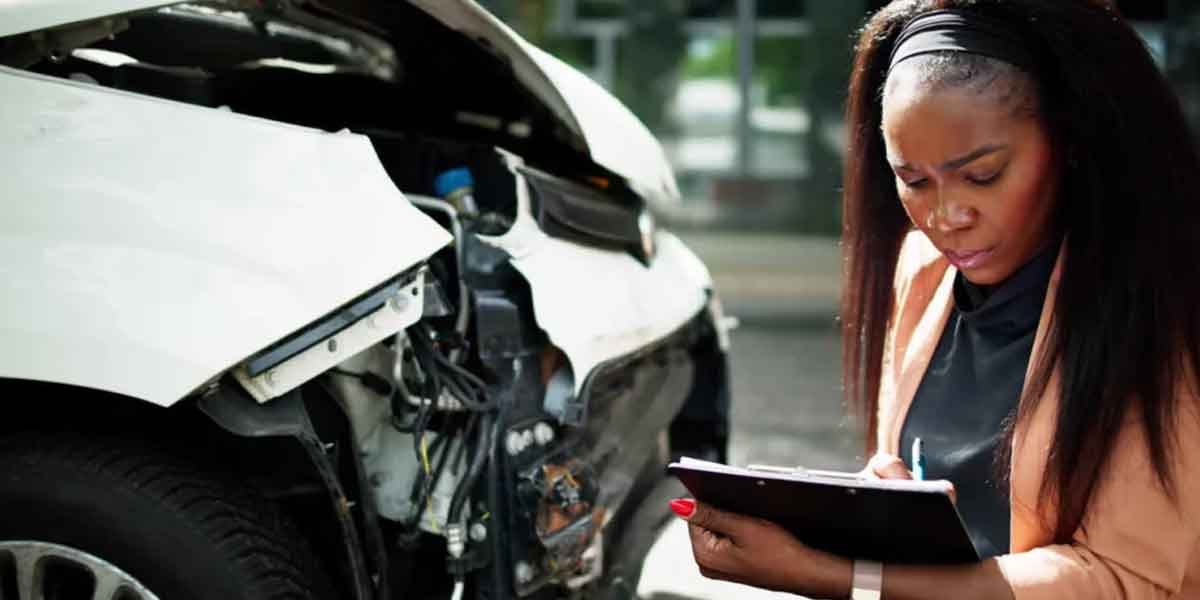
Visible Damage
A claim is often more persuasive when physical evidence aligns with the injury pattern. In many cases, a car accident lawyer serving DC studies repair notes, crash photographs, police observations, and early medical entries as one record. That side-by-side review can show where impact energy entered the vehicle, how the body likely shifted inside the cabin, and why neck pain, lumbar strain, concussion symptoms, or knee trauma surfaced soon after the collision.
Repair Estimates
Repair estimates can reveal labor costs or parts pricing. They often identify buckled supports, shifted rails, broken mounts, damaged sensors, and airbag deployment. Those findings matter because hidden structural change may reflect a stronger transfer of force than exterior panels suggest. An insurer may cite limited cosmetic damage and question the severity of the injury. A detailed estimate can provide objective evidence of deeper mechanical disruption, countering that argument.
Force and Direction
Damage location helps explain the path of body movement during impact. A rear collision may cause cervical strain, headache, or muscle spasm after rapid extension and flexion. Side contact can match shoulder injury, rib pain, pelvic bruising, or hip dysfunction. A front-end crash may lead to chest wall injury, wrist sprain, or knee trauma from bracing. When force direction aligns with symptoms, the claim appears medically coherent rather than assumed.
Photos and Timing
Timing often shapes how much weight a report receives. Early inspection limits later disputes over pre-existing dents, prior repairs, corrosion, or wear that existed before the crash. Photographs taken during that first review can preserve distortion, shattered lighting, tire marks, and cabin intrusion before repairs alter the scene. Prompt documentation also helps with symptom timing. A shorter gap between collision, inspection, and treatment usually reduces room for doubt.
Linking Medical Records
Medical records describe the onset of pain, physical findings, imaging results, and treatment response. Damage reports add biomechanical context that medicine by itself may lack. A crushed rear panel, deformed door, or displaced wheel assembly can help explain sudden cervical pain, thoracic strain, nerve irritation, or reduced range of motion. That connection matters when a defense position points to age-related degeneration or prior discomfort. Vehicle evidence can support aggravation of a quiet condition.
Insurance Pushback
Insurance carriers often try to separate property damage from bodily injury. Their position may suggest that limited exterior harm means limited physical consequence. That view ignores how modern vehicles absorb energy and how occupants absorb motion through the spine, joints, and soft tissue. A careful report may show frame shift, restraint activation, seatback stress, or sensor damage despite modest visible markings. Those details can weaken a shallow reading of collision severity.
Expert Use
Attorneys, physicians, and reconstruction specialists may rely on these reports during evaluation and settlement talks. An engineer can use crush measurements to discuss force transfer and cabin movement. A treating doctor may compare those mechanics with muscle spasm, imaging, neurologic findings, and functional loss. Used together, the opinions give the claim a firmer medical and technical base. The aim is a clear explanation, not drama, and that distinction matters.
When Reports Matter Most
Damage reports matter in nearly every injury case, though some disputes make them especially useful. They are especially important when liability is contested, symptoms appear after adrenaline fades, or repair bills seem modest despite lasting pain. Multi-vehicle crashes also create competing stories about sequence and force. In those settings, objective documentation can keep the case from turning into guesswork. Reliable detail often shapes value long before trial becomes a serious possibility.
Conclusion
Vehicle damage reports support injury compensation claims by adding measurable proof tied to a single event. They help connect impact direction, force transfer, repair findings, and occupant motion with the symptoms later documented by clinicians. That evidence can answer insurer objections, reduce doubt about causation, and strengthen settlement