Skip to the good bit
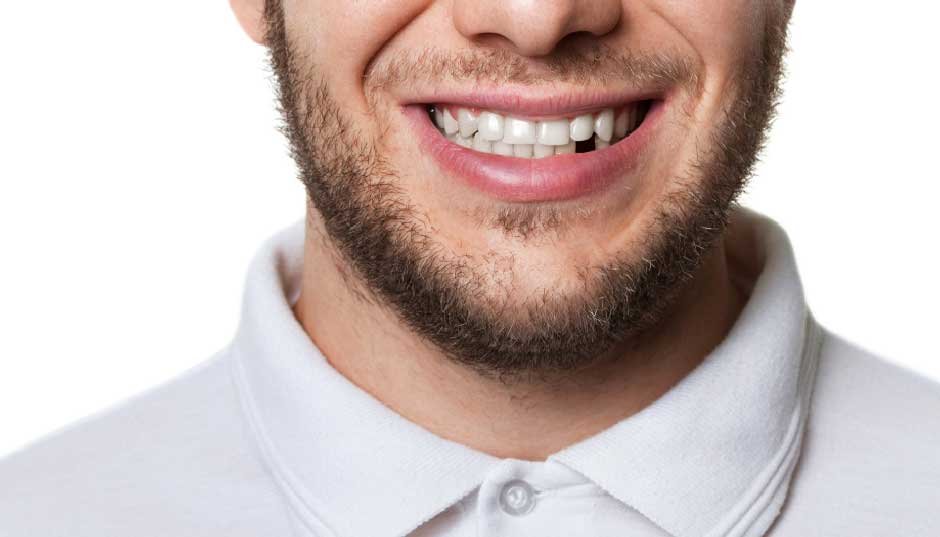
ToggleThe human body is an efficient machine that operates on a principle of utility. When a part of the body is no longer used, the system redirects resources elsewhere. This biological reality is particularly evident in the relationship between your teeth and your jawbone. While many people view a missing tooth as a localized issue that only affects the gap in their smile, the reality is that the loss of even a single tooth initiates a degenerative process that can eventually compromise the entire jaw.
The Symbiotic Relationship of Teeth and Bone
To understand why the jaw deteriorates after tooth loss, one must first understand the purpose of the alveolar bone. This specific type of bone exists solely to support the teeth. It is a highly specialized structure that remains healthy through constant stimulation. Every time you bite or chew, the force travels through the crown of the tooth, down the root, and into the surrounding bone.
This mechanical pressure sends signals to the body to produce new bone cells, a process called osteogenesis. Without this regular stimulation, the body assumes the bone is no longer necessary and begins to break it down. This process, known as resorption, starts almost immediately after a tooth is removed or knocked out. In the first year alone, a significant portion of the bone width in the area of the missing tooth can vanish.
The Spread of Bone Resorption
Bone loss does not remain confined to the empty socket. Because the jawbone is a continuous structure, the deterioration at one site can weaken the foundation of the neighboring teeth. As the bone height decreases, the support system for the adjacent teeth becomes thinner and less stable.
Over time, this can lead to a “collapsing” effect. The neighboring teeth may begin to loosen because the bone that previously held them in place has receded. Furthermore, as the bone disappears, the gum tissue follows suit. This recession exposes the sensitive roots of the remaining teeth, making them more susceptible to decay, infection, and further loss. What began as a single missing tooth can quickly escalate into a multi-tooth problem as the structural integrity of the arch fails.
Changes in Facial Esthetics and Function
The jawbone does more than just hold teeth; it provides the internal scaffolding for the lower third of the face. When significant bone loss occurs, the distance between the nose and the chin begins to decrease. This leads to a distinct physical transformation often associated with aging.
The lips may lose their support and appear thinner or sunken. The skin around the mouth can develop premature wrinkles as it sags over the diminishing bone structure. Functionally, a weakened jawbone makes it difficult to eat a varied diet. The force required to chew tough or crunchy foods can cause discomfort in a jaw that has lost its density. This often leads to a cycle of poor nutrition that further impacts the health of the remaining bone and soft tissues.
Modern Solutions for Bone Preservation
Fortunately, dental science has developed ways to stop and even reverse this process. Standard dentures or bridges sit on top of the gums and do nothing to stimulate the bone. However, restorative options that replace the root of the tooth can halt resorption entirely. For residents of East Texas, consulting a specialist about dental implants in Jacksonville, TX can be a vital step in preserving the jaw. These titanium posts act as artificial roots, reintroducing the necessary mechanical stimulation to the bone and preventing further tissue loss.
The Importance of Timely Intervention
The window of opportunity to preserve the jawbone is most open immediately following the loss of a tooth. If a patient waits too long, the bone may become too thin or brittle to support a restoration without additional procedures. In these advanced cases, a bone graft may be required to rebuild the foundation. This involves taking bone material from another source and placing it into the jaw to encourage new growth. While effective, it adds time and complexity to the recovery process.
Maintaining Your Oral Foundation
A missing tooth is not just a gap in your smile; it is a threat to the foundation of your entire face. By understanding the science of bone resorption, you can see why replacing a tooth is a matter of long-term health rather than just appearance. Protecting the density of your jawbone ensures that your remaining teeth stay secure, your facial features remain supported, and your ability to eat and speak remains unhindered. Acting quickly to fill the gap is the best way to keep your jaw strong and functional for a lifetime.