Skip to the good bit
ToggleContact sports—like football, hockey, rugby, and martial arts—offer excitement, camaraderie, and incredible physical benefits. They push athletes to their limits, build resilience, and foster teamwork. However, they also come with a higher risk of injury compared to non-contact activities. Whether you are a professional athlete, a weekend warrior, or a parent of a young player, prioritizing safety is crucial. Playing smart ensures you can enjoy the sport while protecting your body for years to come. Here are essential safety tips to keep in mind.
1. Wear Proper Protective Gear
The most basic step to safety is equipping yourself with appropriate protective gear. Helmets, custom mouthguards, pads, gloves, and supportive footwear are designed to reduce the risk of injury. For example, helmets in football and hockey help prevent concussions, while shin guards in soccer protect against fractures. Always ensure that your gear fits properly and meets official safety standards. Worn-out or ill-fitting equipment can provide a false sense of security and may increase injury risk.
2. Warm Up and Stretch
Jumping straight into high-intensity activity can strain muscles, tendons, and ligaments. A proper warm-up—lasting at least 10–15 minutes—prepares your body for the physical demands of the sport. Dynamic stretches, light jogging, and sport-specific drills increase blood flow and flexibility, reducing the likelihood of strains or sprains. Post-game cool-downs and static stretching also help with recovery and minimize soreness.
3. Learn Proper Techniques
Many injuries in contact sports occur due to improper technique rather than sheer force. Tackling, blocking, or falling incorrectly can cause serious harm. Coaches and trainers play a critical role in teaching correct methods for executing moves safely. Even experienced athletes should periodically review technique to prevent bad habits. Mastering proper form not only protects you but also improves your performance on the field.
4. Know Your Limits
Athletes often push themselves to keep up with teammates or meet competitive goals. While determination is admirable, ignoring your body’s signals can lead to overuse injuries, fractures, or concussions. Fatigue reduces coordination and reaction time, making injuries more likely. Listen to your body, take breaks when needed, and never play through pain that feels unusual or severe. Respecting your limits is a sign of intelligence, not weakness.
5. Stay Hydrated and Maintain Nutrition
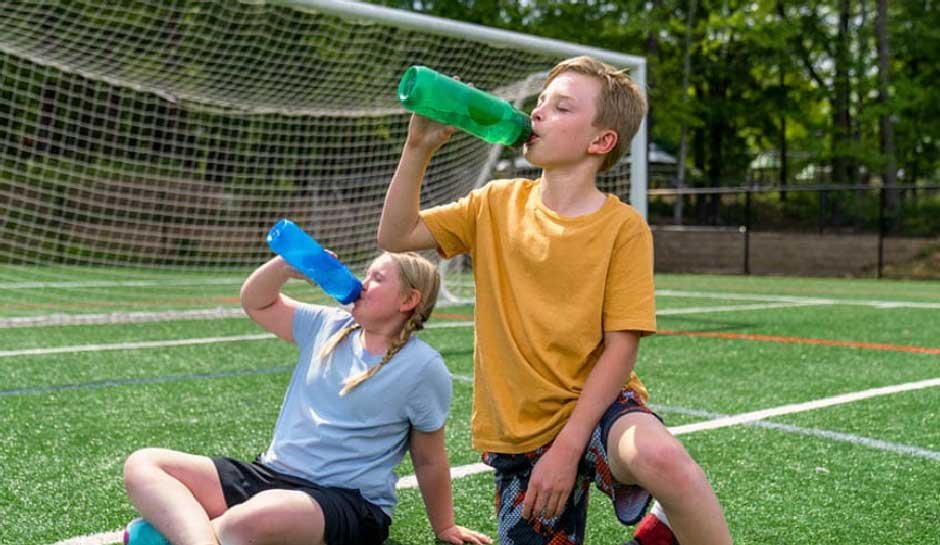
Dehydration and poor nutrition can significantly impact performance and increase injury risk. Water is crucial, especially in intense sports or hot conditions. Electrolyte drinks can also help during long sessions. Proper nutrition fuels your muscles, supports recovery, and strengthens your immune system. A balanced diet with protein, complex carbohydrates, and healthy fats is essential for athletes engaged in contact sports.
6. Practice Safe Play and Sportsmanship
Aggression is part of contact sports, but reckless behavior is not. Following the rules, avoiding dangerous tackles, and maintaining sportsmanship protect everyone on the field. Intentionally targeting opponents or ignoring penalties can result in serious injuries and disciplinary action. Teaching young athletes the importance of respect and fair play helps create a safer sporting environment for everyone.
7. Monitor and Manage Injuries
Even with precautions, injuries can happen. Minor sprains, cuts, or bruises should be treated promptly. More serious injuries—such as concussions, fractures, or ligament tears—require immediate professional attention. Ignoring injuries can lead to long-term complications. Athletes, coaches, and parents should be aware of warning signs and know when to seek medical care. Rehabilitation and proper recovery are just as important as prevention.
8. Maintain Physical Fitness
Strength, flexibility, and endurance play a major role in injury prevention. A well-rounded training program that includes cardiovascular conditioning, strength training, and balance exercises prepares the body to handle contact sports’ physical demands. Strong muscles and ligaments support joints, reducing the risk of tears and strains during high-impact movements.
In Conclusion
Contact sports are thrilling, challenging, and immensely rewarding—but safety must always come first. By wearing the right protective gear, warming up properly, learning correct techniques, knowing your limits, staying hydrated, practicing sportsmanship, managing injuries, and maintaining overall fitness, you can significantly reduce the risk of injury. Playing smart allows athletes to enjoy the full benefits of contact sports while preserving their health and longevity. Whether you are stepping onto the field for fun or competition, prioritizing safety ensures that the game remains exciting—and safe—for everyone involved.