
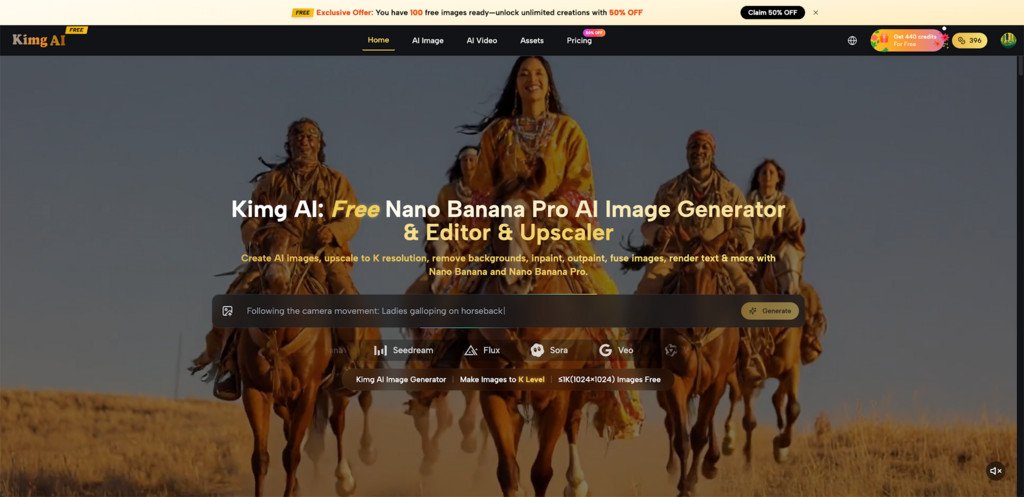
Revamping an outdated wardrobe through creative DIY clothing flips offers a brilliant way to express personal style while remaining environmentally conscious. However, the anxiety of making that first permanent cut into a beloved vintage jacket or a trusty pair of denim jeans often stops creative projects before they even begin. Visualizing the exact final result before picking up the fabric scissors removes all the anxiety and guesswork from the equation. This is where Kimg AI becomes an indispensable tool for designers and hobbyists alike. By transforming basic concepts into highly realistic visual previews, anyone can approach complex clothing modifications with absolute certainty and clear direction.
I. The Art of Upcycling and Visual Planning
- Reduce Waste with Style
Transforming existing garments directly impacts textile waste reduction by keeping perfectly good fabrics out of local landfills. Upcycling offers a highly creative avenue to construct a completely unique, personalized wardrobe without contributing to fast fashion consumption. It turns forgotten, unworn pieces tucked in the back of a closet into bespoke fashion statements that stand out in any crowd. This approach fosters a deeper appreciation for clothing construction and material longevity.
- Overcome the Fear of Cutting
The most significant hurdle in DIY fashion remains the absolute permanence of cutting tools. A miscalculated snip or an incorrect angle can instantly ruin a high-quality piece of raw fabric. Generating a crystal-clear visual preview helps creators see exact geometric proportions, drape, and overall fit before committing to irreversible structural alterations. This visual safety net encourages bolder, more innovative design choices.
- Plan Before You Stitch
Exceptional clothing design always requires meticulous preparation and foresight. Mapping out major structural changes, plotting new seam lines, and deciding on added hardware placements saves countless hours of frustration at the sewing machine. A solid, highly detailed visual plan acts as a reliable, steadfast blueprint for the entire construction process. It keeps the project focused and prevents chaotic, mid-sewing design changes.
II. How Nano Banana Pro AI Enhances the Design Process
- Unmatched Image Clarity
The underlying engine driving these hyper-realistic creative previews is exceptionally advanced and reliable. Utilizing Nano Banana Pro AI ensures that every single generated mockup captures lifelike studio lighting, natural shadows, and accurate fabric drape. This specific technology renders complex textiles, from heavy corduroy to sheer chiffon, with striking visual accuracy. The resulting images leave no ambiguity about how the finished garment will look in real life.
- Intelligent Style Transfer
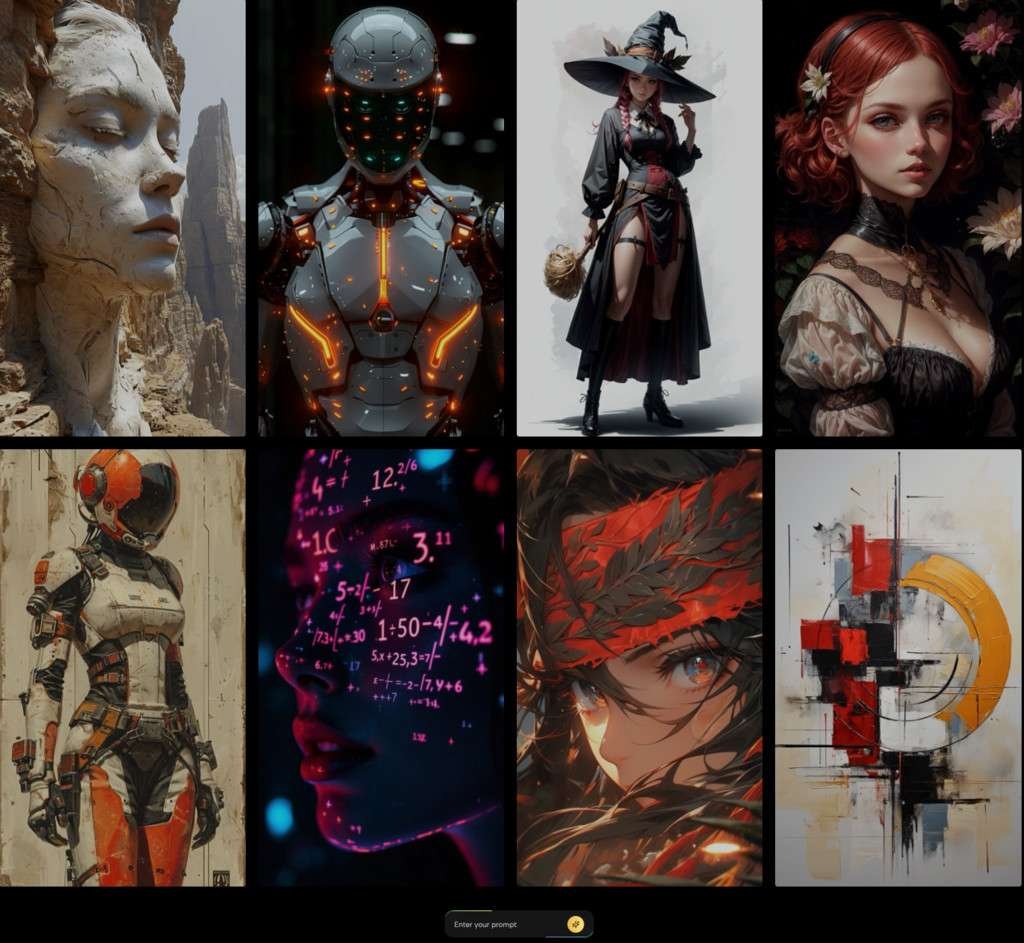
Translating a specific aesthetic vibe onto an old, plain garment requires precise visual interpretation and styling. The Nano Banana Pro system excels at adapting various distinct design languages, whether the goal is minimalist chic, cyberpunk utility, or nostalgic vintage streetwear. It merges the original garment’s rigid structure with entirely new stylistic elements completely naturally. This allows for extreme creative flexibility without losing the essence of the base clothing.
- Seamless Fabric Blending
Mixing completely different materials often looks messy or disjointed in rough pencil sketches. The generation tools smoothly blend diverse, contrasting textures like rough denim and smooth silk, showing exactly how the fabrics will physically interact. This immediate visual feedback helps designers spot potential material clashes or structural weaknesses early in the brainstorming phase. It guarantees a more cohesive final product.
III. Mastering the Multi-Image Upload Feature
- Combine Up to Eight References
Complex, avant-garde clothing designs rarely stem from just a single source of visual inspiration. Kimg AI accommodates extensive mood boards by allowing the uploading of up to 8 reference images simultaneously. This robust capacity enables the seamless fusion of multiple distinct design ideas, fabric swatches, and silhouette references into one cohesive garment concept. It provides a comprehensive approach to visual brainstorming.
- Mix Textures and Patterns
Visualizing intricate patchwork, quilting, or mixed-media clothing requires highly detailed texture references. By uploading clear pictures of various fabric swatches alongside the base garment photo, the system accurately composites the new patterns together. It reveals precisely how different floral prints, geometric shapes, or solid colors harmonize on a single piece of tailored clothing. This prevents overwhelming pattern clashes before buying actual fabric.
- Establish a Cohesive Color Palette
Dyeing clothes, bleaching fabrics, or adding colorful embroidered patches changes the entire emotional mood of an outfit. Providing specific, accurate color swatches as reference images effectively guides the entire generation process. The resulting visuals actively demonstrate how the new, vibrant hues will complement or starkly contrast with the original fabric’s undertones. It ensures the final colorway is perfectly balanced.
IV. Achieving Stunning 4K Resolution Outputs
- Zoom in on Tiny Details
Seeing the broad, general shape of a design is helpful, but true sartorial craftsmanship lies within the tiny details. Kimg AI fully supports image generation up to stunning 4k resolution. This ultra-high definition allows careful creators to inspect individual thread stitches, intentional fraying edges, and minute hardware placements incredibly closely. It leaves absolutely no design element to the imagination.
- Create Professional Mockups
High-quality, pristine visuals are essential for independent designers sharing their DIY processes online or pitching upcycled designs to boutique clients. The 4k output consistently provides crisp, professional-grade mockups that demand attention. These flawless, high-resolution images look fantastic on professional portfolios, collaborative mood boards, and highly curated social feeds. They elevate the perceived value of the entire DIY project.
- Print Patterns with Confidence
Sometimes, virtual mockups need to be transferred to physical media for hands-on studio reference while cutting and sewing. The superior 4k clarity ensures that printed versions of the generated fashion designs remain incredibly sharp and easily legible. Every single fabric fold, dart, and complex seam stays perfectly clear, even when pinned onto large, physical studio reference boards.
V. Step-by-Step Guide to Your First Virtual Flip
- Photograph the Original Garment
Start the design process with a clean, well-lit, high-resolution photograph of the specific clothing item meant for transformation. Lay the garment completely flat on the floor or hang it neatly against a blank, neutral background. This clear, unobstructed starting point gives Kimg AI a highly reliable, solid foundation for calculating accurate geometric modifications. Good input always guarantees better output.
- Input Descriptive Text Prompts
Descriptive words shape the final visual output just as much as the uploaded reference images do. Write exceptionally clear, concise text descriptions of all intended structural changes. Specify exact elements like “raw cropped hem,” “distressed denim knee patches,” or “added tactical cargo pockets” to guide the visual engine effectively. Precise vocabulary yields highly accurate design results.
- Generate and Refine the Concept
After initiating the generation process, review the initial visual results with a highly critical eye. Use these first rough mockups to spot specific areas needing immediate adjustment or refinement. Tweak the descriptive text prompts or swap out specific reference images to iterate rapidly until the generated design perfectly matches the original mental vision. Patience during this phase leads to perfection.
VI. Exploring Advanced Customization Techniques
- Alter Silhouettes and Cuts
Changing the fundamental, underlying shape of a garment breathes total newness and life into it. Experiment heavily with turning baggy, oversized jeans into a tailored, sleek maxi skirt, or morphing a boxy blazer into a trendy cropped vest. Visualizing these drastic, structural silhouette changes completely prevents costly, time-consuming sewing mistakes and wasted materials.
- Experiment with Dye Colors
Bleaching, tie-dyeing, or completely over-dyeing thick fabrics is notoriously highly unpredictable in a real-life setting. Test many different, vibrant dye colors virtually to see exactly how they interact with the original material’s texture. This careful visual testing ensures the final shade perfectly matches the desired aesthetic without ever risking damage to the actual physical garment.
- Add Virtual Embellishments
Metal studs, intricate floral embroidery, and heavy-duty zippers add immense character and edge to upcycled clothes. Previewing these small but impactful additions helps accurately determine the absolute perfect placement and visual density. It takes all the frustrating guesswork out of spatial spacing and geometric alignment before permanently attaching any heavy hardware to delicate fabrics.
VII. Conclusion: Bring Your Fashion Ideas to Life
Revamping an old wardrobe through thoughtful upcycling is a rewarding, highly creative endeavor that saves money and reduces waste. Having the ability to see the exact outcome before committing to physical alterations empowers creators to take bolder fashion risks. The precise tools offered by Kimg AI eliminate hesitation, replacing it with clear, actionable design blueprints. Whether tackling a simple hemline adjustment or a massive structural overhaul, clear visual planning ensures every DIY project is a resounding success. Grab those old garments, start generating fresh ideas, and turn forgotten fashion pieces into custom, wearable art.