

For many North American homeowners, the decision to invest in home improvement projects is a strategic move. This approach can increase property value, improve comfort and functionality, reduce energy costs, and adapt a living space to meet a household’s evolving needs. Whether you are preparing to sell, planning to stay for decades, or simply looking to modernize an ageing property, the approach you take before breaking ground matters just as much as the work itself.
Understanding which upgrades deliver a genuine return, how to coordinate trades effectively, and when to engage a credible residential and commercial electrical service provider are all part of what separates a successful renovation from a costly, drawn-out ordeal. This guide walks homeowners through the essentials of planning and executing high-value home improvement projects with confidence, safety, and long-term value in mind.
Why Home Improvement Has Become a Priority for Homeowners
Home improvement spending has grown consistently over the past several years, driven by rising housing costs, changing family dynamics, and greater awareness of how targeted upgrades translate into measurable financial gains. Homeowners now treat renovations as essential investments in their significant assets.
According to the 2025 Cost vs. Value report, minor kitchen remodels now return as much as 113% ROI, and garage door replacements lead all projects at a remarkable 268% return, underscoring how targeted high-value renovation decisions can significantly increase property value at resale. This reinforces why thoughtful planning and professional execution are so critical before any project begins.
Increasing Property Value Ahead of a Sale
Homeowners preparing to list a property benefit most from improvements that modernize the home’s appearance and address functional deficiencies that buyers flag during inspections. Prioritizing these upgrades well in advance of listing allows time for proper execution without the pressure of tight timelines.
Key improvements that reliably increase property value before a sale:
Kitchen and bathroom renovations that reflect current design standards
Exterior upgrades such as roofing, siding, and front entry improvements
Updated electrical panels and wiring that pass inspection without issue
Window replacements that improve both energy efficiency and curb appeal
Improving Comfort and Functionality for Long-Term Residents
Not every renovation is motivated by resale. For homeowners who plan to stay, improving comfort and functionality is the primary driver behind investment decisions. A home that works well for the people living in it is inherently more valuable, regardless of market conditions.
Upgrades that consistently improve daily comfort and functionality include:
Finished basements that create usable living, work, or recreational space
Insulation improvements that stabilize indoor temperatures year-round
Smart home integration for lighting, climate control, and security
Outdoor living spaces that extend the functional square footage of the home
Open-concept kitchen redesigns that improve flow and usability
Adapting to Changing Family and Lifestyle Needs
Family structures shift over time, and a home that was ideal a decade ago may no longer serve its residents well. High-value renovation decisions stem from the need to accommodate multigenerational living, remote work, or accessibility requirements.
Here are renovations that support changing household needs:
Basement suites or secondary units for adult children or ageing parents
Home office additions or conversions with dedicated electrical circuits
Bathroom upgrades that incorporate accessibility features
High-Value Renovation Categories Worth Prioritizing
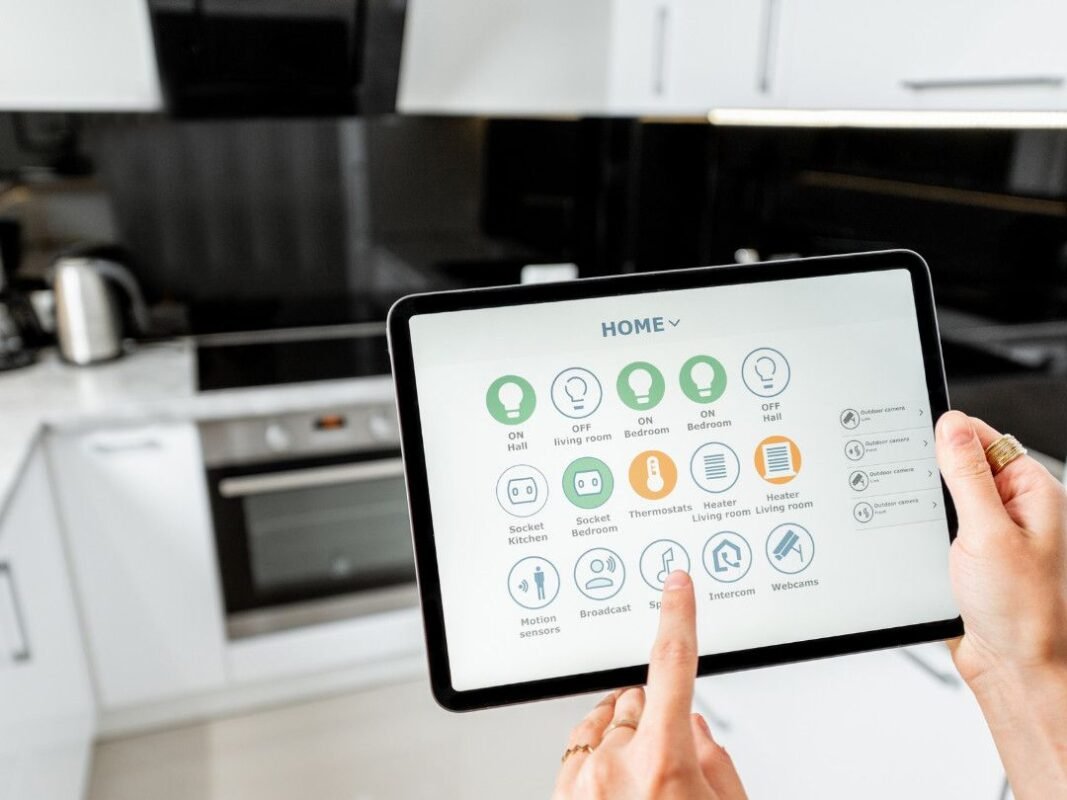
Not all home improvement projects deliver equal returns, and homeowners working with a defined budget need to understand where their investment is likely to go furthest. Focusing on high-value renovation categories ensures that every dollar spent contributes meaningfully to both livability and long-term property performance.
Electrical considerations are central to many of the most impactful renovations. Engaging a credible residential and commercial electrical service provider early in the planning process ensures that panel upgrades, circuit additions, lighting redesigns, and smart home integration are handled safely and in full compliance with local codes.
Kitchen and Bathroom Renovations
Kitchen and bathroom renovations consistently rank among the highest-returning home improvement projects in North American real estate markets, and for good reason. These spaces are evaluated closely by buyers and used daily by residents, making quality upgrades immediately noticeable and consistently rewarding.
Planning an effective kitchen or bathroom renovation involves:
Updating cabinetry, countertops, and fixtures to reflect modern standards
Improving lighting through recessed, task, and accent installations
Upgrading electrical outlets and circuits to meet current safety codes
Incorporating water-efficient fixtures that reduce utility costs
Basement Finishing and Exterior Upgrades
Finishing a basement transforms unused square footage into a productive living area, effectively increasing the home’s usable space without the cost of an addition. Exterior upgrades, including roofing, siding, insulation, and window replacements, address both aesthetic appeal and structural performance.
Moreover, basement finishing projects consistently deliver an average ROI of around 70%, with bathroom additions within the space recouping up to 80% of their cost, making them one of the strongest high-value renovation choices available to homeowners. Exterior upgrades further strengthen a home’s energy profile, which is an increasingly important factor for buyers evaluating long-term operating costs.
Smart Home Integration and Panel Upgrades
Smart home integration has become a mainstream renovation priority, with connected lighting, thermostats, and security systems improving comfort and functionality across all budget levels. Panel upgrades and dedicated circuit installations are required to support these modern electrical demands, making it essential to engage a qualified electrical service provider early to ensure the home’s infrastructure is safe, code-compliant, and built for both current and future needs.
Permits, Inspections, and Contractor Vetting
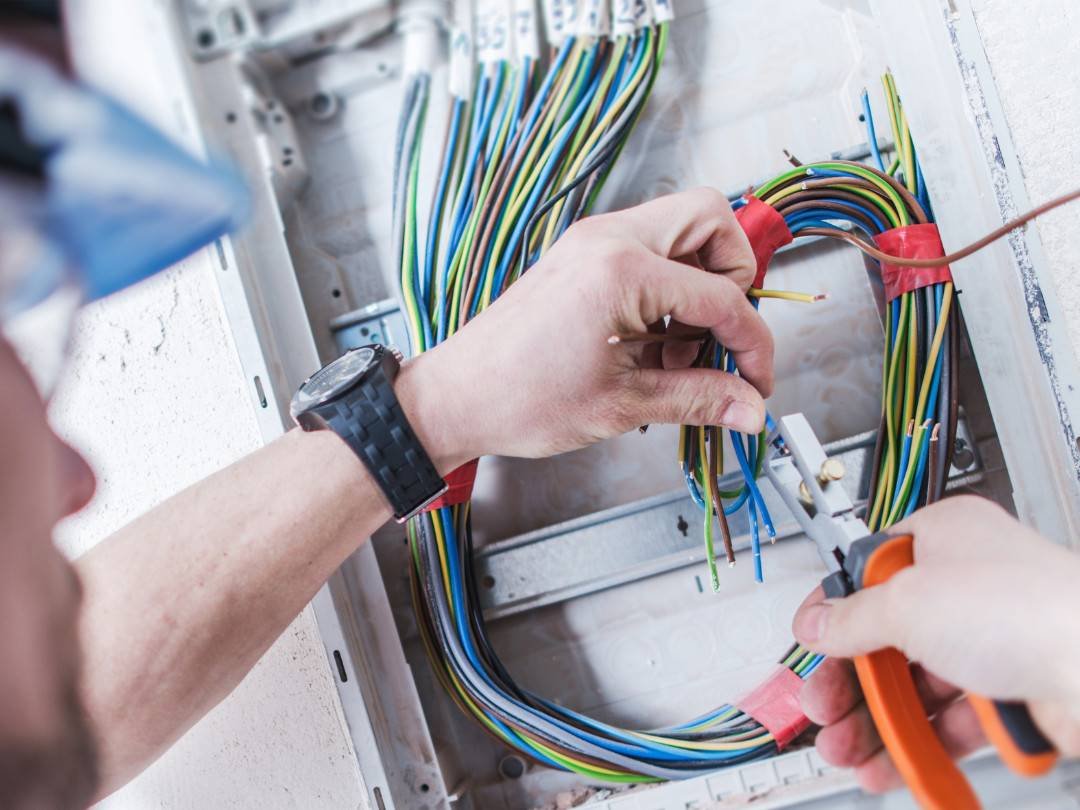
Permits and inspections are protective mechanisms that ensure renovation work is safe, structurally sound, and legally recognized. Skipping this process creates serious complications during future sales, can void homeowner insurance coverage, and may require costly remediation if deficiencies are discovered after the fact.
Selecting the right contractors is equally critical, as the quality of craft and the legitimacy of credentials directly affect both project outcomes and long-term value.
Understanding the Permit and Inspection Process
Permits are required for most structural, electrical, plumbing, and mechanical improvements. The specific requirements vary by municipality, but the general principle remains the same: work that affects a home’s safety systems or structural integrity must be reviewed and approved by a qualified authority.
Homeowners should keep in mind the following when navigating permits:
Contact the local building department before any work begins to confirm requirements
Ensure all contractors are aware of permit obligations and factor them into their quotes
Retain all permit records, as they will be requested during a future property sale
How to Evaluate and Hire the Right Contractors
The contractor selection process is equally essential to the renovation itself. Credentials, insurance, references, and written agreements are all non-negotiable components of a responsible hiring process. Homeowners who skip due diligence at this stage expose themselves to delays, substandard work, and limited legal recourse.
Before hiring any contractor, take the time to:
Confirm that licences and insurance are current and applicable to the scope of work
Request at least two to three comparable written quotes before making a decision
Ask specifically about timelines, subcontractor use, and warranty coverage
Review contracts carefully, ensuring payment schedules are tied to project milestones
Check references and online reviews from previous clients in similar project categories
Building Value Through Informed Home Improvement
Successful home improvement projects result from careful planning, informed decision-making, and professional partnerships built on trust and accountability. Every renovation decision should be evaluated through the lens of both immediate comfort and functionality and long-term return on investment.
Additionally, electrical work deserves particular attention in any renovation plan. Working with a credible residential and commercial electrical service provider ensures that every panel upgrade, smart home integration, or circuit addition is executed to code, inspected properly, and built to support the home’s needs for years to come. The right electrical service provider offers both technical expertise and assurance of compliance that protect homeowners at every level. Commit to quality at every stage, and the result is a home that performs better, sells stronger, and stands as your most enduring financial asset.