Skip to the good bit
ToggleEnsuring your training facility has the right netting can make all the difference for safety, longevity, and effective practice sessions. Today’s market offers many options, but selecting the best batting cage nets requires a detailed understanding of both materials and setup. Whether outfitting a professional venue or a backyard training area, the right investment protects athletes, maximizes equipment lifespan, and delivers consistent, reliable use for years to come.
The best batting cage nets suit not just your space but also your performance and durability needs. Aspects like twine gauge, net dimensions, and UV resistance should all factor into your selection process. Equally important is investing in netting, known for both safety and strength, so you can trust your facility is protected no matter how frequently it is used.
Creating a safe and efficient training space is a priority for any coach or facility manager, and the right batting cage nets are central to that goal. Pay attention to the materials, treatments, and installation techniques recommended for your facility’s unique needs to keep players protected and equipment lasting through countless seasons.
Understanding Net Materials
The fabric of your net is more than a matter of cost. It impacts how long your net lasts, how well it performs in various conditions, and the amount of upkeep required. The main materials you will encounter include:
- Nylon: Renowned for its toughness and strong resistance to abrasion, nylon nets are a favorite for high-volume commercial or team environments. However, nylon’s tendency to absorb moisture can cause it to shrink and degrade over time if used outdoors without proper treatment.
- High-Density Polyethylene (HDPE): With built-in water and UV resistance, HDPE nets are lighter than nylon and a cost-effective alternative, especially for outdoor setups. While they may not provide the same rugged durability as nylon, their balance of price and resilience makes them ideal for many mid-level and amateur uses.
- Polypropylene: Often selected for temporary or light-duty installations, polypropylene is budget-friendly but lacks the strength and UV stability of other plastics. For environments with minimal wear and tear, this material provides a short-term option.
The right material will match the expected workload and setting of your facility, so consider anticipated usage as well as weather conditions in your geographic area.
Determining Net Size and Twine Gauge
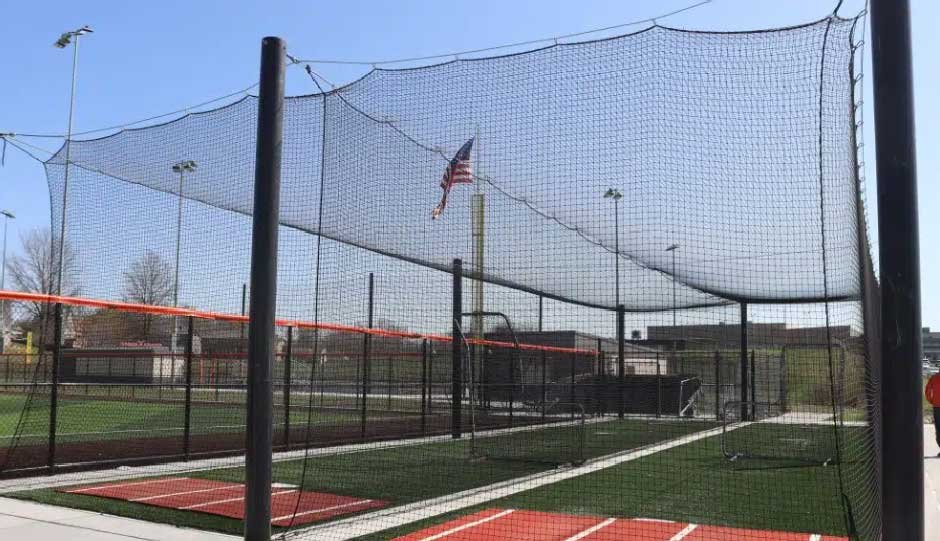
When configuring your batting cage, the measurements and thickness of your netting are critical. Smaller backyards typically use nets measuring 35 feet by 10 feet by 10 feet, which comfortably accommodate individual or beginner sessions. A full-sized high school or advanced training facility may need cages that stretch 70 feet long, 14 feet wide, and 14 feet high to allow uninterrupted play for teams or advanced athletes.
Twine gauge measures the thickness of the strands used in the net. Consulting a reliable sports netting supplier can help ensure you select the proper gauge for your facility. The heavier the use, the higher the gauge you will need. Youth teams can often use #21 to #30 gauges, while varsity, collegiate, or commercial training spaces should use #36 to #42. Pro-level or machine-pitch environments demand #60 gauge (the highest available) to prevent breakage or frequent repairs. Choosing the correct twine is just as important as selecting size, as it directly relates to the net’s overall strength and durability.
Importance of UV Protection
Sunlight can quickly degrade the best netting unless it’s been treated with UV inhibitors. Exposure to UV rays weakens fibers and accelerates premature breakdown, especially in outdoor cages that are exposed year-round. Netting with integrated UV protection resists sun-related wear, maintaining both its color and strength far longer than untreated alternatives. When browsing netting options, prioritize nets specifically designed for all-weather use with integrated or treated UV resistance, especially if your cage will not be stored indoors.
Proper Installation Techniques
Even the sturdiest net can fail if improperly installed. Using high-quality cables, commercial-grade ropes, and secure attachment clips is vital. Hanging the net evenly along its entire length prevents dangerous sagging and reduces pressure points that could lead to rips or tears down the road. Plan for accessible tension adjustments and schedule regular visual inspections to address wear and tear before it becomes a safety hazard.
Routine maintenance, such as checking knots and fastenings, should become part of your facility’s regular schedule. Document any repairs and always address problems as soon as possible to keep everyone safe and prolong the net’s lifespan.
Final Thoughts
Safety and performance start with the right netting. By understanding your options for materials, sizing, twine thickness, and protective treatments, you can select batting cage nets that deliver years of reliable training while shielding players and staff. Always consult an experienced supplier, focus on thorough installation, and stay proactive with maintenance to maximize your investment and ensure every season starts strong.