Skip to the good bit
ToggleWhat is data migration?
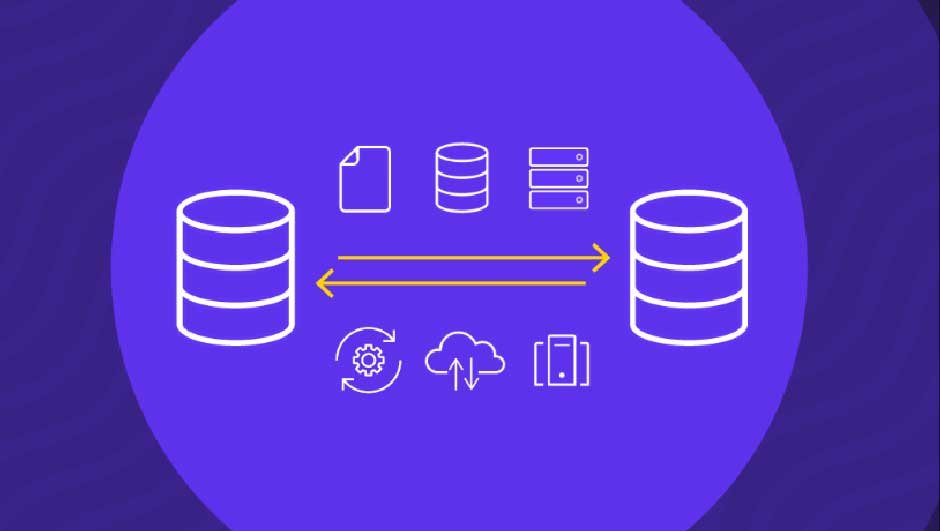
Data migration is the system of moving data across different formats, applications, or even cloud and hybrid environments. To identify a solid migration plan it is important to learn about the basics first: various types of data migration.
1.Storage migration
Transferring data between storage devices or systems is frequently done in order to replace outdated systems or on-premises storage with more options that provide improved performance, more capacity, or lower costs. Although using storage migration services doesn’t change the underlying data formats, it gives businesses the potential to improve data validation, expedite backups, and unleash superior performance—all of which increase productivity and dependability.
2.Migration to the cloud
This popular form of data migration is moving data or apps to a public, private, or hybrid cloud environment in order to obtain the advantages of cloud computing, including scalability, affordability, and accessibility.
- Online migration ensures a smooth, real-time transmission of data via the Internet or a private WAN connection.
- Offline migration provides a safe and effective method of managing massive volumes of data by physically shipping it from the source data centre to the target cloud after loading it onto a storage appliance.
3.Migration of data centres
Data centre migration is the process of physically moving hardware or shifting workloads between data centres to move an entire data centre environment. Usually, cost-cutting initiatives, the need for improved infrastructure, or data centre consolidation serve as the driving forces here. Make sure the following data centre migration checklist is followed before a successful move:
- Make a thorough plan first.
- To avoid data loss during migration, make sure all data is backed up and recovery procedures are well tested.
- Check if existing apps and solutions are smoothly integrated with migration.
- Determine the viability of moving your current data centre to a new location.
- Identify obstacles and develop backup plans to address them before they arise by conducting a comprehensive data centre migration risk assessment.
- Ensure all data from the old databases has been transferred to the new ones. The old databases can then be shut down after users who have previously accessed them are redirected to the new ones.
4.Migration of databases
Database migration or database schema migration, moves data via a migration service from one or multiple source databases to target databases. All data from the original databases is get entirely transferred into the new databases by completion of this process. The earlier databases can then be shut down and users who previously accessed them get redirected to the new ones.
5.Migration of applications
This migration moves applications and data from one environment to another, say from on-premises infrastructure to the cloud or between cloud providers. Application cloud migration entails adapting the program to the new environment and making sure that all of its constituent parts—such as databases, integrations, and workflows—operate as intended.
Trust in Kloudify for expert data migration services, whether it is about transitioning to other databases, move to high-performance cloud environments, or optimising your existing storage solutions. Talk to us for more on this!