
Skip to the good bit
ToggleConstruction projects start long before buildings go up. From the time the first survey stakes are placed in the ground to the final cleanup before opening day, heavy equipment plays numerous essential roles in keeping projects moving forward safely, efficiently, and on schedule. For contractors, project managers, and site supervisors, understanding how machines support each phase of construction helps ensure the right equipment is on site at the right times.
Working with a trusted Komatsu construction equipment supplier can make a significant positive difference throughout the life of a project. Having reliable access to well-maintained machines, flexible rental and financing options, and responsive service support is crucial. It allows construction companies to focus on productivity rather than worrying about how and where to get the heavy machinery they need.
Breaking Ground and Site Preparation
The earliest stages of construction set the tone for everything that follows. Heavy equipment is essential during site preparation. It’s used for clearing land, grading, and ensuring construction sites meet the engineering requirements of the projects at hand.
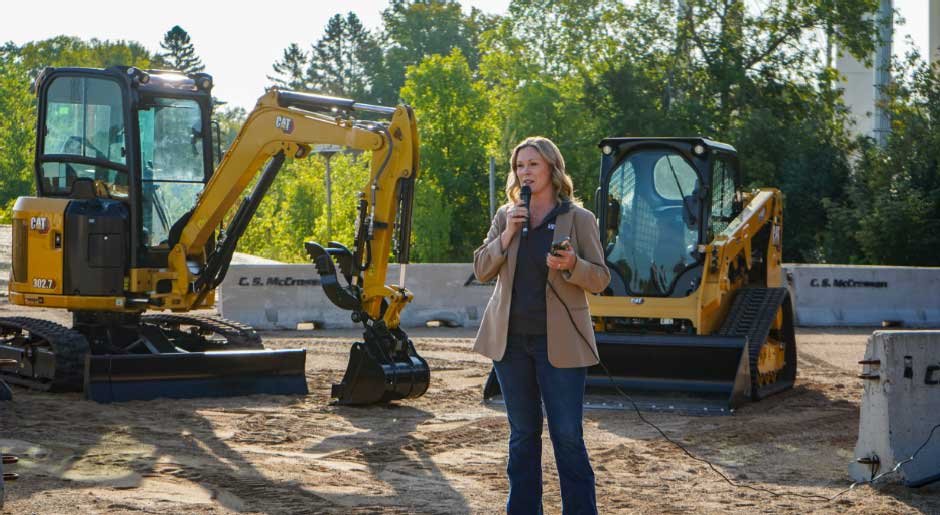
Excavators are commonly used to dig foundations, trenches, and utility paths while bulldozers move dirt and debris to create level surfaces. Loaders and skid steers also play major roles during this phase. They move material efficiently and effectively around job sites. Without these machines, site preparation would be slow, labor-intensive, and far more costly. Having the right equipment at this stage helps prevent delays and ensures sites are ready for the structural work to follow.
Foundation and Structural Work
Once a site is prepared, heavy equipment continues to foster the construction process by handling materials and supporting foundation work. Excavators assist with deeper digging and proper placement while cranes or larger loaders may be used to move heavy items like concrete forms, steel beams, and prefabricated sections. In this phase, reliability matters. Downtime can disrupt companies’ schedules and affect multiple crews simultaneously. Contractors often rely on equipment suppliers not only for machines but also for maintenance and quick repairs to keep them up and running.
Building Up and Material Handling
As construction moves forward, heavy equipment use transitions from earthmoving to material handling. Forklifts, telehandlers, and loaders are essential for transporting supplies across sites and lifting materials far higher than construction crews could on their own. These machines help crews work more efficiently and reduce physical strain on workers.
Compact equipment is also valuable during this stage, especially on crowded job sites where space is limited. Smaller machines offer flexibility without sacrificing power. That makes them them ideal for small sites and tight spaces.
Infrastructure and Utility Installation
Heavy equipment also plays critical roles in installing infrastructure like roads, parking lots, drainage systems, and underground utilities. Trenchers, compactors, and graders help ensure proper placement and long-term stability. These machines contribute to safety and compliance by helping crews meet precise specifications. For contractors who handle multiple project types, having access to a wide range of equipment allows them to adapt quickly as work shifts from one task to another.
Finishing Touches and Site Cleanup
As projects approach completion, heavy equipment continues to be important for final grading, landscaping, and cleanup. Loaders and skid steers are often used to remove debris, smooth out surfaces, and prepare outdoor areas for use. These final steps help create a polished, professional appearance for the finished project. Well-maintained equipment is especially valuable at this stage because appearance and performance can reflect directly on a contractor’s reputation.
Supporting Contractors Throughout the Construction Process
For construction companies and contractors, heavy equipment is far more than metal and hydraulics. It’s a tool that directly impacts their productivity, safety, and profitability. Companies that rent, sell, and service equipment play several important roles in the process by offering expertise, dependable service, and flexible solutions. From groundbreakings to grand openings, heavy equipment is crucial in every phase of construction. With the right machines and suppliers, companies can take on projects with confidence, knowing they have the tools they needed to meet their customers’ needs and expectations.





