Skip to the good bit
ToggleKindergarten marks a significant milestone in a child’s academic and social development. At this stage, children thrive on hands-on, engaging experiences that spark curiosity and build foundational skills. Whether you’re an educator or parent, selecting the right activities can inspire young children to embrace learning with enthusiasm. Resources like kindergarten writing worksheets can further enrich these experiences, nurturing early literacy and expression.
By making learning interactive and relevant, we not only help children succeed in the classroom but also encourage them to carry a love for discovery well into the future. Meaningful play and exploration allow them to develop language, problem-solving, and social-emotional skills essential for lifelong success.
Interactive Storytelling
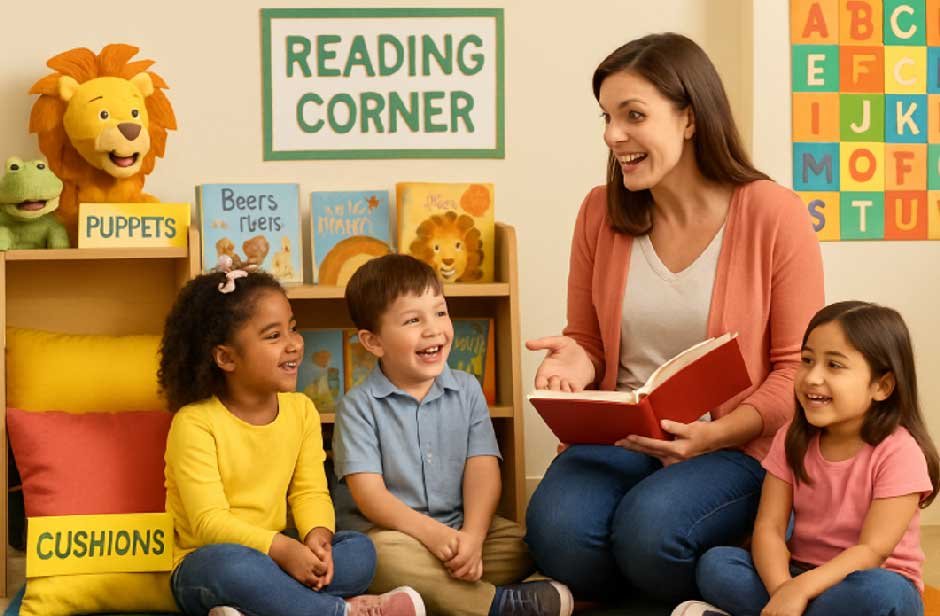
Creating a special storytelling nook in the classroom, complete with comfortable seating, props, and a variety of picture books, invites young learners to immerse themselves in imaginative worlds. When children are encouraged to retell favorite stories or invent new ones using puppets and character cards, their language skills blossom. Recurring opportunities for storytelling allow for consistent development of vocabulary, sequencing skills, and self-confidence. Frequently changing themes or seasonal elements ensures the activity remains new and captivating for every child.
Creative Art Projects
Open-ended art projects that utilize everyday materials—such as recyclables, natural objects, and craft supplies—are essential for the development of young children. Allowing them to construct, design, and problem-solve with these materials enhances spatial reasoning and introduces basic concepts of engineering and teamwork. Sharing and discussing their creations with classmates gives children a sense of accomplishment and allows for collaborative learning through constructive feedback.
Art projects also strengthen fine motor skills and ignite creativity, fostering both individual expression and a sense of community. These activities prepare kindergarteners for future STEAM (Science, Technology, Engineering, Arts, and Math) learning.
Outdoor Exploration
Nature walks and outdoor explorations stimulate children’s curiosity about the world around them. Equipping them with simple tools such as magnifiers or collection baskets, teachers can encourage children to observe plants, insects, and the changing seasons. This type of experiential learning fosters a deeper appreciation for the environment, sharpens sensory perception, and cultivates scientific inquiry from an early age.
Children solidify their learning when encouraged to document discoveries with drawings or take photos to share with their peers. These activities not only enhance gross motor skills but also contribute to emotional well-being, allowing children to unwind and connect with the natural world.
Role-Playing and Dramatic Play
Transforming a classroom space into themed setups, like a pretend market stall or post office, captivates children’s imaginations and teaches valuable social lessons. Role-playing encourages kindergartners to practice skills such as counting, sorting, and engaging in polite conversation as they take on different roles. By rotating themes—such as a grocery store, bakery, or pet clinic—teachers keep the activity fresh and closely linked to classroom topics or children’s interests.
This form of dramatic play is crucial for building empathy and social skills, as it requires children to negotiate roles, share, and cooperate with peers. These positive social interactions form the backbone of early childhood development.
Music and Movement
Weaving music and movement into day-to-day routines boosts children’s rhythm recognition and body awareness. Singing, rhythmic clapping, and dancing not only make learning more enjoyable but also enhance coordination and listening skills. Musical games further help children manage their emotions, teaching them self-regulation through engaging activities that promote excitement and calm.
Many experts suggest that music can even boost early literacy and numeracy development, making it a valuable tool in the kindergarten classroom.
Science Experiments
Simple, guided science experiments capture the natural curiosity of young children and tangibly introduce vital concepts. Activities such as growing seeds in different conditions, observing the reaction between baking soda and vinegar, or creating homemade rain clouds provide memorable, hands-on learning opportunities. Encouraging children to ask questions and hypothesize results transforms them into little scientists, eager to explore and discover more about their environment.
Promoting inquiry-based learning at this age lays the groundwork for future success in STEM disciplines and builds confidence in problem-solving and reasoning.
Final Thoughts
Incorporating these varied and engaging activities into kindergarten curricula creates a dynamic atmosphere where young learners thrive. Tailoring approaches to suit each child’s interests ensures that education is inclusive and meaningful, setting the stage for lifelong curiosity and growth. By combining storytelling, hands-on creativity, outdoor discovery, dramatic play, music, and science exploration, educators and parents can inspire the next generation of lifelong learners.