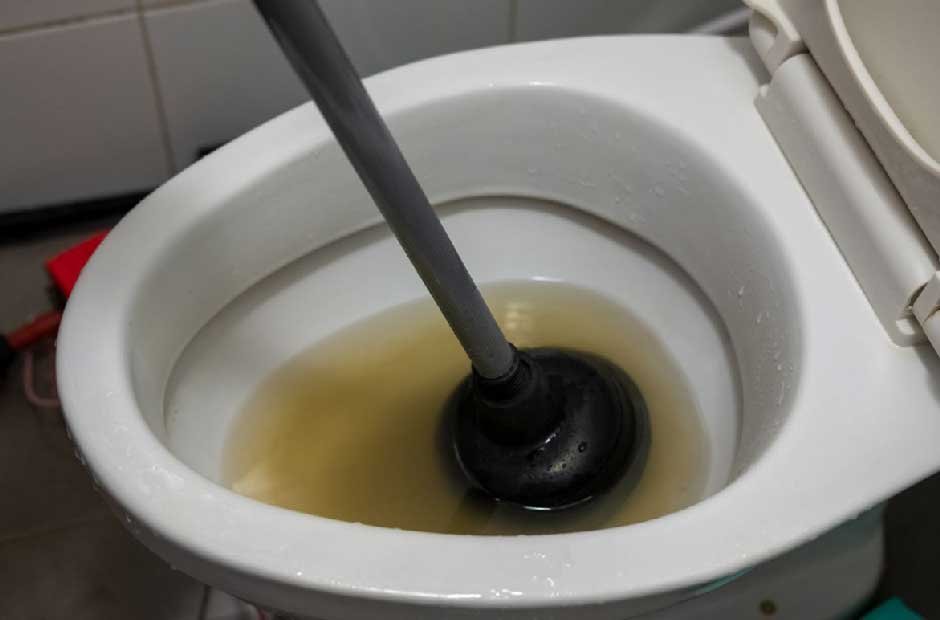
Quick Answer
A sewer backup in the basement is a serious health and safety hazard that requires immediate action. First, avoid contact with the contaminated water and shut off the main water supply if safe to do so. Turn off electricity to the affected area to prevent shock. Do not flush toilets or run water, as this can worsen the backup. Contact a qualified professional for cleanup and assessment – sewer backups involve harmful pathogens and should never be handled with standard household cleaning. Timely response helps minimize structural damage and long-term health risks.
Introduction
Few homeowner emergencies are as distressing – or as unsanitary – as walking downstairs to find sewage pooling in the basement. Beyond the mess, the health risks from bacteria, viruses, and mold can escalate quickly, especially in enclosed spaces. Whether triggered by heavy rainfall, clogged lines, or aging infrastructure, a sewer backup demands calm, swift, and informed action.
If you’re dealing with rising wastewater and unsure where to start, understanding the basics of sewer backup cleanup in Calgary can help you take the right steps – even before professional help arrives. This isn’t about panic; it’s about protection: safeguarding your family’s health, your home’s structure, and your peace of mind.
In the following sections, we’ll walk through the essential phases of response, cleanup, and prevention – so you’re equipped not just to react, but to recover and fortify your home against future incidents.
Understanding and Managing Sewer Backup Cleanup
When wastewater reverses course and floods your basement, it’s not just an inconvenience – it’s a biohazard. Unlike clean water leaks, sewer backups carry harmful contaminants that demand specialized handling. Successfully navigating this crisis involves three core phases: immediate response, safe cleanup, and long-term prevention.
Immediate Response: Safety First
Your first priority isn’t cleanup – it’s safety. Sewage contains bacteria, viruses, and parasites that can cause serious illness. Follow these steps before doing anything else:
- Evacuate the area, especially children and pets
- Shut off power to the basement at the main electrical panel (never step in standing water near outlets or appliances)
- Stop all water use in the house – no showers, dishwashing, or laundry – to prevent more sewage from entering
- Ventilate the space by opening windows or using fans (once electricity is confirmed off)
Attempting DIY fixes at this stage – like plunging or using chemical drain cleaners – can worsen the problem or expose you to dangerous pathogens.
Assessing the Source and Severity
Not all basement flooding stems from the same cause. Identifying whether the backup originates from your sewer line, a storm drain, or internal plumbing affects how you proceed.
| Possible Cause | Key Indicators | Professional Needed? |
| Main sewer line blockage | Multiple drains backing up simultaneously, gurgling sounds, foul odors | Yes – requires sewer line inspection |
| Local clog (toilet/kitchen) | Only one fixture affected; water clears slowly | Possibly – may need drain repair |
| Sump pump failure or heavy rain | Clear or gray water (not sewage), localized near floor drain | Yes – if paired with sewage smell, treat as backup |
If you see dark, foul-smelling water rising from floor drains or toilets, it’s almost certainly a sewer backup, not just a plumbing clog. At this point, calling a licensed technician is non-negotiable.
Professional Cleanup and Restoration
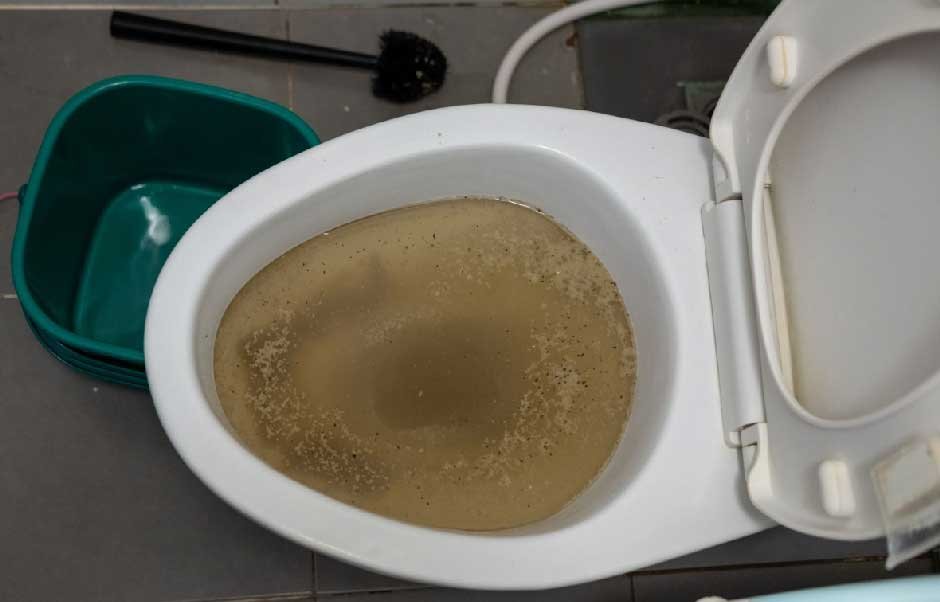
Sewage-contaminated water is classified as Category 3 (black water) by restoration standards – meaning it’s grossly unsanitary and cannot be cleaned with household supplies. Professionals will:
- Use personal protective equipment (PPE)
- Extract contaminated water with specialized pumps
- Remove and dispose of porous materials (carpet, drywall, insulation) that absorb bacteria
- Disinfect all hard surfaces with hospital-grade antimicrobials
- Deploy industrial dehumidifiers to prevent mold growth
Delaying professional help increases the risk of basement water damage spreading to structural elements or triggering mold within 24–48 hours.
When Emergency Help Is Critical
While sewer issues can happen anytime, certain situations qualify as true emergencies:
- Water rising rapidly or covering electrical outlets
- Foul sewage odor throughout the home
- Backup occurring during or after a freeze-thaw cycle (common in colder regions)
- Recurring backups despite previous repairs
In cases like these, emergency plumbing Calgary support may be needed to prevent further contamination or system failure – especially if municipal lines are overwhelmed or private laterals are compromised.
What’s Next: Prevention, Preparedness, and Long-Term Protection
Once the immediate crisis is resolved, the focus shifts from cleanup to resilience. Homeowners who’ve experienced a sewer backup often ask: How do I stop this from happening again? The answer lies in a mix of proactive maintenance, smart infrastructure upgrades, and awareness of environmental risk factors – especially in regions with freeze-thaw cycles or aging underground systems.
Key Preventive Measures You Can Take
Not all sewer backups are preventable, but many are avoidable with consistent care. Start with these foundational steps:
- Schedule regular sewer line inspections using camera technology – this helps spot cracks, root intrusion, or pipe sagging before they cause failure
- Avoid flushing anything but toilet paper and human waste – even “flushable” wipes can accumulate and cause blockages
- Install a backwater valve (also called a sewer backflow preventer) – this one-way valve stops wastewater from re-entering your home during municipal surges
- Maintain your sump pump if you have one, and consider a battery backup for power outages during storms
In colder climates, where ground heaving and pipe contraction are common, insulating exposed pipes and ensuring proper drainage away from the foundation can also reduce strain on your lateral line.
Recognizing Early Warning Signs
By the time sewage appears in your basement, the problem is already advanced. Watch for subtler cues that your system is under stress:
- Gurgling sounds from drains or toilets
- Unusual odors near floor drains or sinks
- Slow-flushing toilets that don’t improve with plunging
- Patches of unusually lush grass in your yard (a sign of leaking sewage feeding the soil)
When to Consider System Upgrades
Older homes, particularly those built before the 1980s, often have clay or cast-iron sewer laterals that are prone to cracking and root invasion. If you’ve had repeated drain repair needs or multiple backups, it may be time to evaluate a full lateral upgrade.
Modern solutions like trenchless pipe relining or pipe bursting allow for durable replacements without tearing up driveways or landscaping. These methods install seamless, corrosion-resistant liners that can last 50+ years – offering long-term peace of mind with minimal disruption.
Building a Home Emergency Plan
Just as you’d prepare for power outages or fires, include sewer emergencies in your home readiness plan:
- Keep emergency contact numbers (including a 24/7 plumbing service) in your phone and on your fridge
- Store rubber boots, gloves, N95 masks, and plastic sheeting in a dry, accessible spot
- Know the location of your main water shutoff and electrical panel
- Review your home insurance policy – standard policies often exclude basement water damage from sewer backups unless you’ve added specific coverage
A little foresight goes a long way in turning a potential disaster into a manageable setback.
Final Thoughts: Turning Crisis into Confidence
A sewer backup is undeniably overwhelming, but it doesn’t have to define your home’s future. What matters most isn’t just how you respond in the moment – but how you prepare for tomorrow. Homeowners who emerge from this experience with a clear action plan often find their homes not only restored, but more resilient than before.
The real goal isn’t perfection – it’s progress. You don’t need to become a plumbing expert overnight. But by understanding basic warning signs, knowing when to call for help, and investing in a few strategic safeguards (like a backwater valve or periodic sewer line inspection), you significantly reduce the odds of facing the same nightmare twice.
And while no system is immune to failure – especially in areas with shifting soil, aging infrastructure, or extreme seasonal swings – proactive care turns uncertainty into control. Remember: basement water damage from sewage isn’t just about water; it’s about health, safety, and long-term value. Addressing it with urgency and intelligence protects far more than drywall and flooring – it protects your family’s well-being.