
Skip to the good bit
ToggleHospitals generate a lot of medical waste daily. Optimizing hospital storage and transport routes helps keep this waste safe and organized. Proper planning reduces risks for staff and patients. Using surgical inventory management in healthcare ensures waste is tracked efficiently.
Imagine a hospital where waste moves safely and quickly. Staff spend less time searching for storage or transport paths. Clean and clear routes protect everyone. Integrating surgical inventory management in healthcare makes the system smarter and safer.
Safe waste handling starts with proper storage. Label bins, organize rooms, and follow clear routes. Small changes save time and prevent accidents. Hospitals using surgical inventory management in healthcare see better control and efficiency.
Importance of Proper Hospital Waste Handling
Proper hospital waste handling is crucial for safety. It prevents infections and keeps staff healthy. Organized storage reduces confusion and saves time.
Clear transport routes stop accidents and contamination. Hospitals using surgical inventory management in healthcare track waste better. This approach protects patients, staff, and the environment.
Streamlining Storage Areas for Safety
Streamlining storage areas keeps hospital waste organized and safe. Using surgical inventory management in healthcare helps track supplies and prevent risks.
Segregation of Waste
Segregation of waste keeps hospitals safe and clean. Different bins for sharps, biological, and general waste reduce contamination. Staff can work faster with organized storage. Using surgical inventory management in healthcare ensures all waste is tracked properly.
Efficient Layout Planning
Efficient layout planning makes hospital storage safe and accessible. Clear pathways reduce accidents and save time. Properly organized rooms help staff handle waste quickly. Using surgical inventory management in healthcare improves tracking and control of materials.
Inventory Tracking
Inventory tracking helps hospitals stay organized and safe. It shows what waste and supplies are available at all times. Using clear records reduces mistakes and delays. Implementing surgical inventory management in healthcare makes tracking faster and more accurate.
Designing Safe Transport Routes
Designing safe transport routes prevents accidents and contamination. Using surgical inventory management in healthcare ensures waste moves efficiently and securely.
Route Optimization
Route optimization saves time and reduces risks in hospitals. Planned paths keep waste away from patients and staff. Regularly reviewing routes prevents delays and hazards. Using surgical inventory management in healthcare helps track and improve transport efficiency.
Use of Transport Equipment
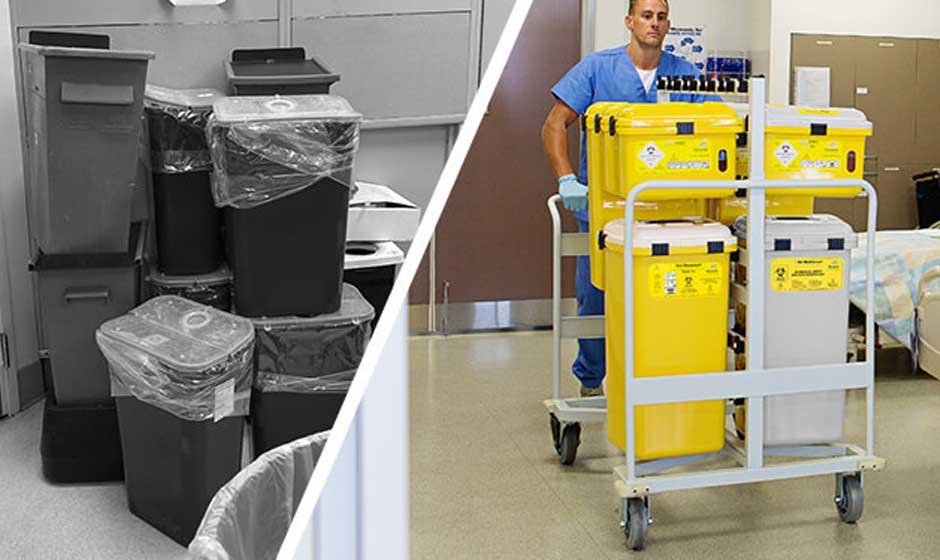
Using proper transport equipment keeps hospital waste secure. Leak-proof containers and trolleys prevent spills. Staff handle waste safely and quickly. Implementing surgical inventory management in healthcare ensures all equipment is tracked and used efficiently.
Timing and Scheduling
Proper timing and scheduling prevent waste buildup in hospitals. Transport during off-peak hours reduces risks and delays. Routine pickups keep operations smooth. Using surgical inventory management in healthcare helps plan schedules efficiently and safely.
Implementing Staff Training and Compliance
Proper staff training ensures safe and efficient hospital waste handling. Compliance keeps everyone protected. Using surgical inventory management in healthcare strengthens these practices.
- Train staff regularly on waste segregation and safe transport.
- Reinforce rules and protocols to prevent accidents and errors.
- Monitor and track performance using surgical inventory management in healthcare for better accountability.
Technology and Innovation in Waste Management
Technology improves hospital waste management and safety. Automated tracking systems monitor containers in real time. IoT sensors detect waste levels instantly.
Data analytics help predict and plan routes efficiently. Staff make fewer mistakes and save time. Using surgical inventory management in healthcare enhances these innovations and ensures better control.
Benefits of Optimized Storage and Transport
Optimized storage and transport make hospital waste handling safer and more efficient. Proper planning saves time, money, and reduces risks. Using surgical inventory management in healthcare enhances these benefits.
- Reduces contamination risks and protects staff and patients.
- Saves operational costs with faster and organized processes.
- Improves tracking and control using surgical inventory management in healthcare for safer waste management.
Practical Steps for Implementation
Hospitals can start with audits and reorganizing storage for safety. Using surgical inventory management in healthcare ensures all waste and supplies are tracked efficiently.
- Conduct a thorough audit of current storage and transport practices
- Reorganize storage areas based on waste type and generation frequency
- Map and optimize transport routes to avoid high-traffic zones
- Train staff regularly on updated safety protocols
- Use technology to monitor waste levels and track inventory
- Regularly review and update procedures for continuous improvement
Common Challenges and Solutions
Hospitals face space constraints and cluttered storage areas. Staff non-compliance can lead to accidents. Waste overflow causes delays and safety risks.
Solutions include vertical storage and modular shelving. Regular training ensures staff follow rules. Using surgical inventory management in healthcare helps monitor waste and improve overall efficiency.
Final Thoughts
Optimizing hospital storage and transport routes keeps waste handling safe and efficient. Proper storage, clear pathways, and regular audits reduce risks for staff and patients. Staff training and compliance ensure smooth operations. Technology and innovation make tracking easier and faster.
Small changes save time and costs. Implementing surgical inventory management in healthcare strengthens control, improves safety, and ensures hospitals meet standards. Safe waste handling protects everyone and supports a cleaner, healthier environment.
FAQ’s
Why Is Optimizing Hospital Storage Important?
Proper storage reduces contamination and keeps staff and patients safe. It also improves workflow efficiency.
How Do Transport Routes Affect Waste Safety?
Clear and planned routes prevent spills, accidents, and delays during waste movement.
What Role Does Staff Training Play In Waste Handling?
Trained staff follow safety rules, handle waste correctly, and prevent health risks.
How Does Technology Help In Hospital Waste Management?
Using surgical inventory management in healthcare and tracking systems improves efficiency and control.
Meta Description
Optimize hospital storage and transport for safer waste handling. Improve efficiency and safety using surgical inventory management in healthcare.