
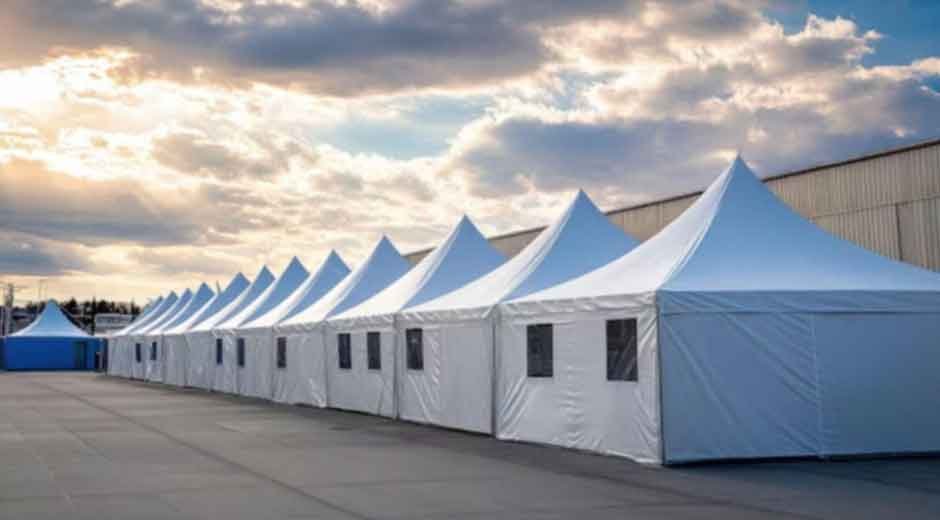
In the competitive field of trade shows, outdoor business-related events where a quality tent increases the brand visibility while also functioning for multiple installations, weather, and day after day of use, presentation, and durability are key partners. Following some basic tips to maintain the appearance and performance of any event’s items is important for both the performance and visual aesthetics. The maintenance of an item preserves its appearance and keeps the structural integrity of the tent fabric over time. With regular maintenance, any size tent—whether it be a simple 10×10 custom tent or a larger exhibition structure—can be utilized much longer than it otherwise would, and it can still be justified as an investment every time it is set up.
Five Practical Ways to Preserve and Protect Tent Fabric
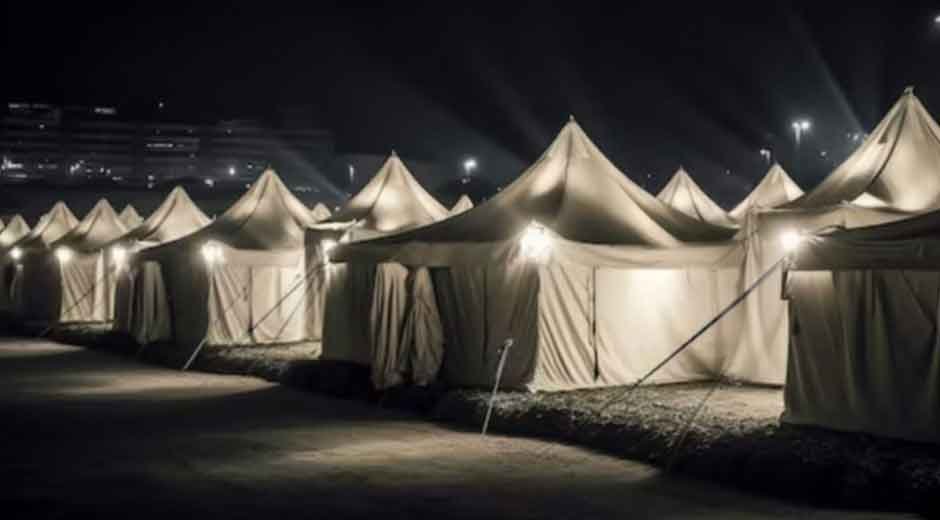
- Regular Cleaning and Proper Handling of the Custom Pop-Up Canopy
Keeping a custom pop-up canopy clean is essential to ensure that it stays bright and usable over multiple usages. Dirt, dust, and airborne pollutants can slowly deteriorate the fabric fibers if left to build on them. Clean gently with mild soap, warm water, and a soft-bristle brush to release residue without injuring the protective coatings. One should pay just as much attention to avoiding harsh chemicals or using high-pressure cleaning to dispose of the waterproof or UV-protected layers. Proper handling while erecting and taking down also prevents accidents such as abrasions or stretching, allowing for optimal fabric conditions. Being sure not to store a partially wet canopy keeps mold precautions in check, one of the leading causes of long-term damage.
- Proper Storage and Environmental Protection
Preserving tent materials can be affected by temperature, moisture, and light sensitivity. Your tent will greatly benefit from being stored in a dry and cool location with no sunlight exposure, decreasing risks of fading and cracking. Utilizing a breathable container or storage bag also decreases the chances of condensation, which can create odors or mold. If your tent is being stored for a long time, it is suggested to loosely fold or roll the tent fabric to prevent creases and possible stress points. Also, check your storage container to ensure there are no sharp objects or pest activity to irritate or even rip the fabric. Finally, organized storage and cleanliness are good for the life of the fabric.
- Regular Inspections and Prompt Repairs
Regular inspection protocols are one of the ways to catch major issues before they happen. Small tears, broken threads, or loose stitches can become significant issues quickly and balloon into larger issues down the road. Checking before and after use can help reduce the chances of accidents. Tent fabric repair kits are available for on-site minor repairs, and professional servicing is always an option for larger or more complicated repairs. Reinforcing high-stress areas, like corners and anchors, proactively prevents durability issues in these areas from arising. Consistently inspecting the tent and being diligent in addressing issues as they come up will extend its life and allow it to look professional in every exhibition.
- Managing Weather Exposure During Events
Trade shows that occur outside would normally present tents in a range of weather conditions (sun, rain, wind, etc.). Excessive UV exposure can break down fabric fibers, while heavy rain and wind can place strain on the integrity of the structure. Using UV protective coatings and weather-resistant treatments will help manage the longevity of fabric tents. During windy conditions, utilizing proper anchoring systems and even tensioning the lines will reduce stretching or tearing of the fabric. If the tent gets wet, don’t pack the tent down damp; allow it to dry out, as it will then create no risk of mold. Taking steps during an event will help ensure that the tent fabric is working at its best during future uses.
- Investing in Quality Accessories and Proper Assembly Practices
The durability of a tent’s fabric is dependent on the quality of the accessories it comes with and how the final assembly of the fabric is done. Smooth edges on poles, frames that are resistant to rust, and high-quality connectors result in less friction and stress on the fabric. Using accessories that are not compatible prevents unnecessary tension and distortion during assembly. Training your assembly teams on proper assembling techniques will substantially reduce mishandling or over-tightening, which damages the seams and edges. Caring for both your structure and accessories will greatly improve the performance and durability of a tent’s fabric.
End Point
All tents used for exhibitions and trade shows are a combination of craftsmanship, design, and branding. Keeping those aspects intact requires a commitment to cleaning, storing, inspecting, and using the item responsibly. Consistent maintenance improves the tent’s appearance, but also guarantees that you can count on it for subsequent events. A clean and maintained fabric tent will last for years and reduce the amount of replacement required while also demonstrating professionalism in your branding. Whether in attendance at your local fair or at a national convention, investing in the right care and maintenance ensures that every investment—a simple 10×10 custom tent, or a full facility pavilion—becomes a long-lasting product with unlimited capabilities and an attraction that will dazzle again and again.