Skip to the good bit
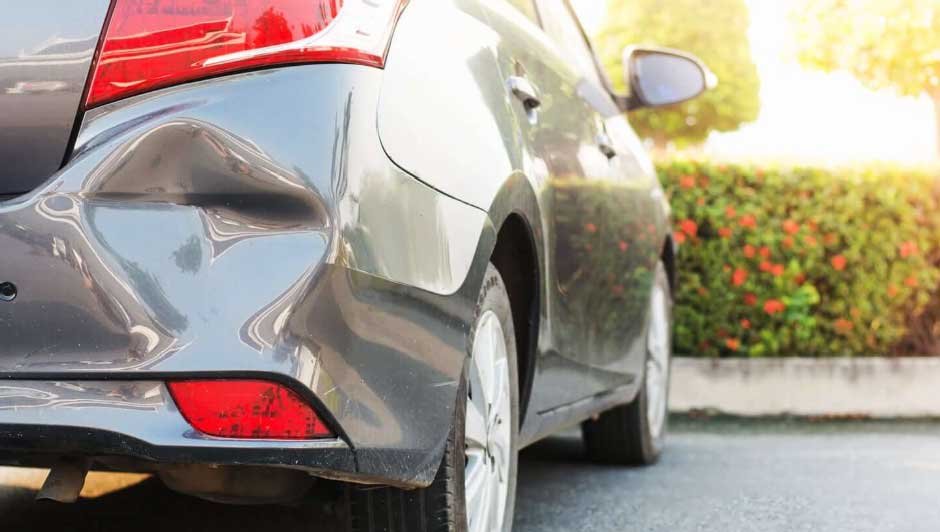
ToggleYou walk out of the repair shop, glance at your car, and something feels… off. The dent is gone, sure, but the paint doesn’t quite match. Suddenly, your sleek ride looks like it’s rocking a two-tone experiment you never signed up for. That’s the nightmare of bad paint matching.
Car accidents are stressful enough, and the last thing you want is a reminder of the crash every time you look at your car. That’s where a skilled autobody paint shop makes all the difference. Getting the colour right isn’t just cosmetic. It’s about restoring your car’s value, pride, and vibe.
Why Perfect Paint Matching Feels Personal
Your car’s paint is more than a coat of colour. It’s part of its identity. Think about it-when you first bought your car, you probably obsessed over the shade. Was it that deep midnight black, a crisp pearl white, or the flashy cherry red that screams “look at me”?
After a fender bender, mismatched paint can feel like someone gave your car a bad haircut. It stands out, and not in a good way. When the repair blends seamlessly, though, it’s like the accident never happened. That peace of mind is worth it.
The Science Behind Matching Paint
Here’s the kicker: car manufacturers don’t just use one universal red or blue. Each shade has layers, undertones, and even different finishes like metallic or matte. Two cars of the same model and year can look different depending on where and when they were painted.
Shops use paint codes to start, but that’s only half the battle. Light, age, and even the original spray technique change how a colour appears. A pro painter knows how to tweak the formula so it doesn’t just “kinda match.” It’s spot-on.
Why Bad Paint Matching Stands Out
You’ve seen it before. One panel looks slightly darker, or the bumper has a weird shimmer compared to the rest of the car. Under fluorescent lights, maybe it passes. But in the sun? It’s glaring.
A mismatch isn’t just embarrassing. It also signals sloppy work to anyone who might buy your car later. Buyers notice. And once they clock a colour difference, they’ll wonder what else was covered up. That’s money out of your pocket when it’s time to sell.
Protecting Your Car’s Value
Speaking of resale, paint matching is basically your cheat code to keeping your car’s value intact. Insurance companies know it, too. Poor paintwork drops resale fast, especially for newer models.
Imagine trying to trade in your car and the dealer points at your door panel like, “What’s with the two-tone?” Suddenly, your offer’s lower, and all because the shop didn’t blend properly. Spending a little more for expert paint work saves you from losing way more later.
Blending: The Secret Sauce
Matching isn’t just about mixing the right colour. It’s about blending. A good painter doesn’t stop at the damaged spot. They feather the new paint into the old, creating a seamless flow.
Think of it like blending foundation. If you stop at the blemish, you end up with a patch. But when you smooth it out across the skin, it disappears. Same principle.
The Role of Lighting
Here’s a detail most people don’t think about: lighting changes everything. Shops use special lamps and angles to check how paint looks under different conditions. Sunlight, streetlights, garage fluorescents-they all expose flaws differently.
A rushed job might look fine indoors, but terrible on the highway at noon. That’s why legit shops test under multiple lights before sending you home.
Common Paint Matching Mistakes
Plenty of shortcuts exist, and they’re easy to spot once you know:
- Skipping blending: Leaves harsh transitions.
- Wrong finish: Glossy next to matte looks like oil and water.
- Old vs new paint: Not accounting for fading makes the fresh coat too bold.
- Cheap materials: Low-quality paint never holds the right depth or shine.
Each one screams “repair job” instead of “factory finish.”
Why You Shouldn’t DIY
Sure, you could hit the auto parts store, grab a spray can, and channel your inner Picasso. But here’s the truth: even with the right code, consumer paints rarely match. And applying it evenly without Pro Tools? Almost impossible.
DIY might work for a lawn chair, not your daily driver. Unless you’re cool with your car looking like a patchwork quilt, leave it to the pros.
Insurance and Paint Matching
Good news: most insurance policies cover proper paintwork after a collision. But here’s the catch-some companies push for the cheapest option, not the best one. That can mean a “close enough” paint job instead of an exact match.
You’ve got the right to demand quality auto body repair services. Don’t settle for less. After all, you pay your premiums for a reason.
Choosing the Right Shop
Not all body shops are equal. Here’s what to look for:
- Colour-matching tech: Digital scanners and paint-mixing systems.
- Skilled painters: Experience matters more than just equipment.
- Good reviews: Customers who rave about seamless repairs.
- Warranty: A shop that backs its work isn’t cutting corners.
A little research up front saves you years of frustration every time you glance at your car.
Your Car, Your Confidence
Think of it this way: driving a car with mismatched panels feels like rocking sneakers with different coloured laces. Technically fine, but you know it’s off. And deep down, it kills the confidence.
When your paint matches perfectly, it’s not just the car that looks good. You feel good driving it. And isn’t that the point?
Final Thoughts
After a crash, fixing dents and damage gets the spotlight. But paint matching is the unsung hero that makes your car whole again. It protects your car’s value, keeps your confidence intact, and erases the memory of the accident every time you hit the road.
So, if you’ve been in a fender bender, don’t just settle for “close enough.” Go with a shop that treats colour like the art it is. Your car deserves nothing less.