
Skip to the good bit
ToggleSelf-driving cars are no longer just science fiction. They’re on Texas roads right now, and more are coming every day. While these vehicles promise safer streets, they can still cause serious accidents. When they do, victims face a whole new set of challenges.
If you’ve been hit by an autonomous vehicle, you’re dealing with something most people have never experienced. The accident might look like any other crash, but what comes next is completely different. Knowing what to do right away can mean the difference between getting fair compensation and being stuck with the bills.
Why Autonomous Vehicle Accidents Are Different
In a regular car accident, you usually know who’s at fault—one driver or the other. But with self-driving cars, it’s not that simple. You have to ask: What went wrong, and who’s responsible?
When a self-driving car causes an accident, several parties might be to blame:
- The car company that built the vehicle
- The software company that programmed the car’s brain
- The backup driver who was supposed to take over in emergencies
- The owner of the vehicle
- Parts manufacturers whose sensors or cameras failed
- The company responsible for maintaining the car
This makes these cases much harder than regular car accidents. Insurance companies love this confusion—they can blame someone else while you’re left trying to figure out who should pay.
What to Do Right After the Accident
1. Stay Safe and Take Photos
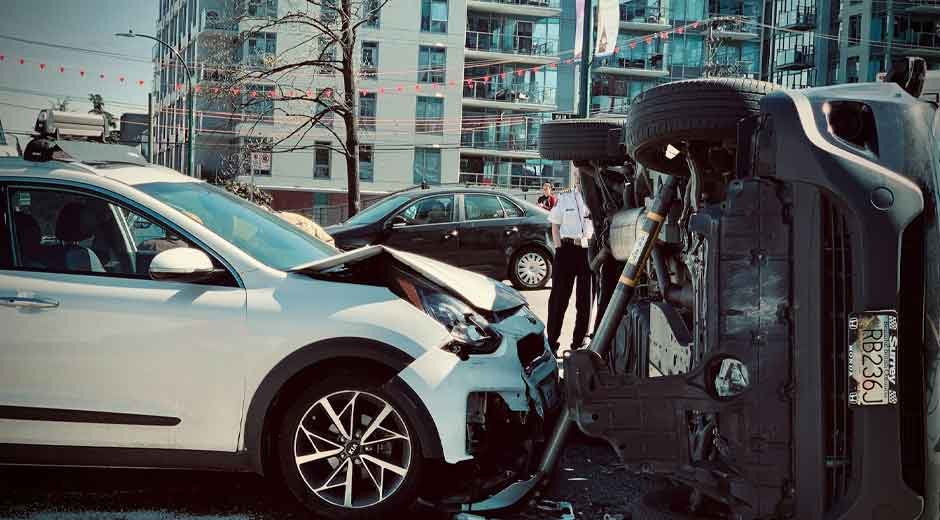
First, make sure everyone is okay and get to a safe spot. Then start taking pictures—lots of them. Self-driving cars are always recording data that could help your case, but you need your own evidence too.
Take photos of:
- Where all the cars ended up after the crash
- Damage to the self-driving car’s cameras and sensors
- Street signs, traffic lights, and road conditions
- The weather at the time
- Any error messages on the car’s screens
2. Get Witness Information Fast
People who saw the accident are incredibly valuable. They can describe how the self-driving car was acting before the crash. Did it seem confused? Did it ignore obvious dangers? These details matter when fighting big tech companies.
3. Save the Car’s Data
This step is unique to self-driving car accidents and super important. These cars track everything—speed, braking, what the sensors saw, and what decisions the computer made. But this information can disappear quickly if you don’t act fast.
You need a lawyer to send letters right away telling everyone to save this data. Some systems delete information within hours or days, so don’t wait.
Dealing with Insurance Companies
Insurance for autonomous vehicle accidents is a mess. Several different policies might apply:
- The driver’s regular car insurance
- The tech company’s business insurance
- Insurance for defective products
- Your own insurance if the other party doesn’t have enough coverage
Texas has special insurance rules for self-driving test vehicles, but regular autonomous cars might fall under different rules. Don’t trust the first insurance company that calls you—they want to pay as little as possible.
Common Injuries from Autonomous Vehicle Crashes
Even though self-driving cars have lots of safety features, crashes can still cause serious injuries:
- Brain injuries from sudden impacts
- Spinal injuries when safety features don’t work
- Mental trauma from losing trust in technology
- Burns from electric car battery fires
- Crushing injuries when cars don’t see people walking or biking
These injuries can cost hundreds of thousands of dollars to treat. That’s why it’s crucial to get money from everyone responsible.
Your Rights in Texas
Texas, especially Austin, has become a testing ground for self-driving cars. While this makes Texas a leader in new technology, it also puts Texas drivers at risk.
Under Texas law, you can:
- Get money from anyone whose mistakes caused your accident
- See the car’s data through the legal system
- Sue for defective products if the car’s systems didn’t work right
- Recover costs for medical bills, missed work, pain, and suffering
But these rights don’t mean much if you don’t know how to use them. These cases need lawyers who understand both injury law and self-driving technology.
Don’t Wait Too Long
In Texas, you usually have two years to file a lawsuit after an accident. But with self-driving car crashes, you need to act much faster. Evidence disappears, people forget what they saw, and companies update their software, making it harder to prove what went wrong.
If government vehicles are involved, you might have even less time—sometimes just six months.
Warning Signs to Watch For
Be careful if any of these things happen after your accident:
- Fast settlement offers from tech companies trying to avoid bad press
- Requests to sign secrecy agreements
- Claims that you knew the risks of sharing the road with self-driving cars
- Blaming “unexpected events” for obvious problems
- Pressure to take partial payments without considering everyone who might owe you money
Looking Forward: Protecting Your Future
Self-driving cars are becoming more common on Texas roads every day. As they do, accidents with this technology will happen more often. While these vehicles might reduce human error, they create new problems our legal system is still figuring out.
If you’ve been hurt in a self-driving car accident, you don’t have to handle this alone. These cases mix cutting-edge technology with injury law in ways that need experienced legal help.
The future of driving is changing fast, but one thing stays the same: when technology fails and people get hurt, someone needs to take responsibility. Your recovery depends on taking the right steps now.