
Skip to the good bit
ToggleThe Dawn of a New Era: Smart Homes Using AI in India
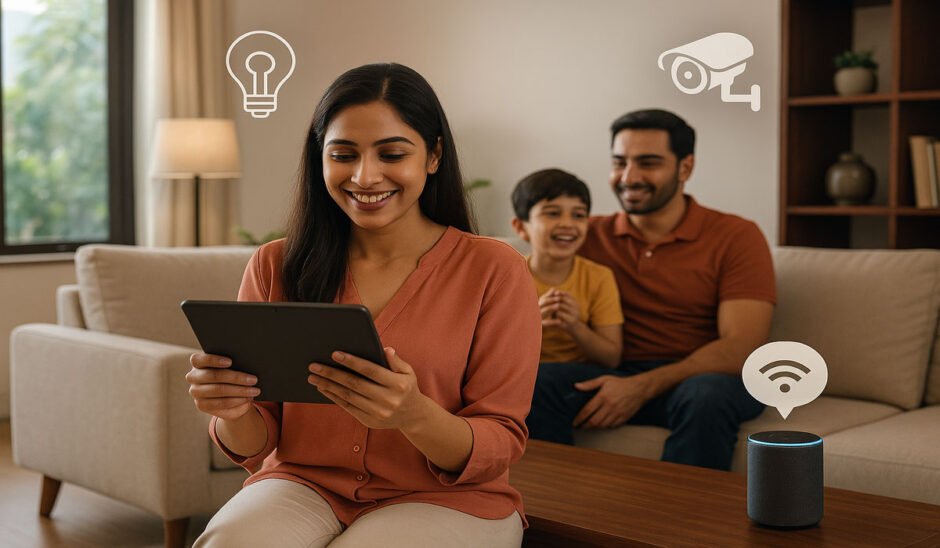
Not long ago, the idea of a home that anticipates your needs felt like science fiction. Today, smart homes using AI in India are no longer a distant dream reserved for the ultra-wealthy. They are rapidly becoming an accessible and practical reality for many. This transformation is fueled by a perfect storm of affordable technology, widespread and cheaper internet access, and a growing desire among Indian households for greater convenience, security, and efficiency in their daily lives.
The conversation is shifting from luxury to lifestyle. It’s less about futuristic gadgets and more about creating a living space that actively supports the needs of a modern Indian family. From automating routine chores to providing peace of mind, artificial intelligence is quietly revolutionizing the very concept of home.
How AI is Redefining the Modern Indian Household
Artificial intelligence is the invisible brain that powers the smart home ecosystem, learning from your habits to create a truly personalized environment. It’s about creating a home that works for you, not the other way around.
Your Home is Listening: The Rise of Conversational AI
The most visible change has been the adoption of voice assistants. Devices like Amazon’s Alexa and Google Assistant have become the central command hub in many homes. Crucially, their ability to understand and respond in various Indian regional languages has broken down barriers, making technology accessible to everyone, from children to elders. With a simple voice command, you can now manage everything from playing your favorite music and getting news updates to controlling the lights and other connected appliances.
Proactive Security for Ultimate Peace of Mind
For many Indian families, security is a top priority. AI-powered security systems offer a level of protection that goes far beyond traditional CCTV. These intelligent cameras don’t just record; they analyze. Features like real-time threat detection, facial recognition, and instant mobile alerts provide an invaluable sense of security. For households where both partners work or for families caring for elderly relatives, knowing that an intelligent system is watching over your home brings unparalleled peace of mind.
Intelligent Energy Management: A Smarter Way to Save
In a country where utility costs are a significant household expense, the energy-saving potential of AI is a major draw. Smart thermostats and lighting systems learn your family’s schedule and preferences, automatically adjusting to conserve power when you’re away or asleep. This intelligent energy management happens in the background, reducing electricity bills without you having to lift a finger or compromise on comfort. It’s a practical benefit that resonates deeply with cost-conscious Indian consumers.
Convenience That Anticipates Your Needs
Perhaps the most celebrated benefit of home automation is the sheer convenience it offers. Imagine your curtains opening automatically to greet the morning sun, your coffee maker starting just as you wake up, or your home setting the perfect ambiance for a movie night. By handling these small, routine tasks, AI gives you back your most valuable asset: time. This newfound efficiency is a game-changer for busy professionals and families juggling multiple responsibilities.
Navigating the Challenges on the Path to a Smarter Future
Despite the rapid progress, the journey toward widespread smart home adoption in India is not without its obstacles. Addressing these challenges is key to unlocking the full potential of this technology.
Bridging the Affordability and Awareness Gap
While entry-level smart devices like bulbs and plugs have become quite affordable, the cost of a fully integrated, whole-home system can still be a significant investment for many. Furthermore, a lack of awareness often leads to the misconception that smart homes are an unnecessary luxury. However, a vibrant ecosystem of local startups and increasing competition among global tech giants is steadily driving prices down. Continued consumer education is vital to showcase the practical, long-term value of these technologies.
Building Trust Through Data Privacy and Security
As our homes become more connected, questions about data privacy are naturally a major concern. Smart devices collect a vast amount of data, from voice commands to daily routines, and consumers are right to be cautious about how this information is used and protected. For smart home technology to earn widespread trust, manufacturers must be transparent about their data policies and implement robust security measures, such as end-to-end encryption, to safeguard user privacy against potential misuse or hacking.
The Road Ahead: What’s Next for AI-Powered Homes in India?
The smart home revolution in India is just getting started. The future promises even deeper integration and more intuitive experiences. We are moving towards a future of hyper-personalization, where your home doesn’t just follow commands but anticipates your needs in real-time, adjusting lighting, temperature, and even music to match your mood and activity.
The continued fall in prices and the development of solutions tailored to local needs, such as handling power fluctuations, will ensure this technology reaches beyond the major metropolitan hubs into Tier-2 and Tier-3 cities. The smart home is evolving from a collection of connected devices into a true partner in modern living—one that enhances security, promotes sustainability, and simplifies the complexities of everyday life.





