
Skip to the good bit
ToggleElectricity is the backbone of modern life. From keeping our homes lit and warm to powering businesses, hospitals, and communication systems, everything depends on a steady flow of energy. But what happens when that flow is interrupted? Blackouts, surges, or grid failures can cause major disruptions. This is where a battery backup system comes in—a reliable safeguard that ensures continuous power when you need it most.
What Is a Battery Backup?
A battery backup is an energy storage system designed to provide electricity when the main power supply fails. Unlike fuel-powered generators, these systems use rechargeable batteries to store energy in advance. When an outage occurs, the backup instantly kicks in, keeping essential devices and appliances running without interruption.
Battery backups range from small units designed to protect a single computer to large systems capable of powering entire homes or businesses. They are increasingly popular in both residential and commercial settings because they are efficient, silent, and environmentally friendly.
How Does a Battery Backup Work?
The principle behind a battery backup is simple:
- Energy Storage – The system charges using electricity from the grid, solar panels, or another source.
- Monitoring – It continuously monitors the incoming power supply.
- Automatic Activation – During an outage, the battery backup instantly activates, ensuring seamless power without downtime.
- Recharging – Once the main power is restored, the battery begins recharging to prepare for the next event.
This automatic, hands-free operation is what makes battery backups so valuable compared to traditional power sources.
Why Do You Need a Battery Backup?
- Uninterrupted Connectivity
In our digital age, staying connected is critical. A battery backup ensures that internet routers, modems, and communication devices remain powered during outages. - Protection for Sensitive Devices
Computers, servers, and medical equipment are vulnerable to sudden power loss. A battery backup prevents data loss, hardware damage, and disruptions in critical processes. - Emergency Preparedness
During storms or grid failures, a battery backup provides peace of mind by keeping essentials like lighting, refrigeration, and phones functional. - Business Continuity
For businesses, downtime equals financial loss. Battery backups keep operations running, safeguarding productivity and customer trust. - Sustainable Living
When paired with renewable energy sources like solar panels, a battery backup allows homeowners to store clean energy for use at night or during outages.
Common Types of Battery Backup Systems
1. Uninterruptible Power Supply (UPS)
- Typically used for computers and servers.
- Provides immediate, short-term power during outages.
- Protects against surges and voltage fluctuations.
2. Home Battery Backup Systems
- Larger units designed to power appliances, lights, and sometimes entire homes.
- Often integrated with solar panels to maximize efficiency.
- Examples include popular products like the Tesla Powerwall or similar lithium-based systems.
3. Portable Battery Backups
- Compact and lightweight.
- Useful for camping, road trips, or powering small electronics on the go.
4. Industrial Battery Backups
- Heavy-duty systems used in data centers, hospitals, and factories.
- Provide large-scale, long-duration energy security.
Battery Backup vs. Traditional Generators
- Noise: Generators are loud; battery backup are silent.
- Fuel Dependency: Generators require gasoline or diesel; battery backups rely on stored electricity.
- Emissions: Generators produce harmful gases; battery backups are clean and eco-friendly.
- Maintenance: Generators need regular servicing; battery backups require minimal upkeep.
- Speed of Response: Battery backups activate instantly, while generators take a few seconds to start.
This makes battery backups the more reliable and sustainable choice, especially for homes and sensitive equipment.
Key Features to Look for in a Battery Backup
- Capacity (Watt-Hours) – Determines how long it can power devices.
- Output Options – Multiple AC outlets, USB ports, and DC outputs for versatility.
- Recharge Speed – Faster recharge means quicker preparedness for the next outage.
- Battery Chemistry – Lithium-ion and LiFePO4 batteries offer longer life and higher efficiency than traditional lead-acid.
- Scalability – Some systems allow adding extra batteries to increase storage.
Popular Uses of Battery Backup
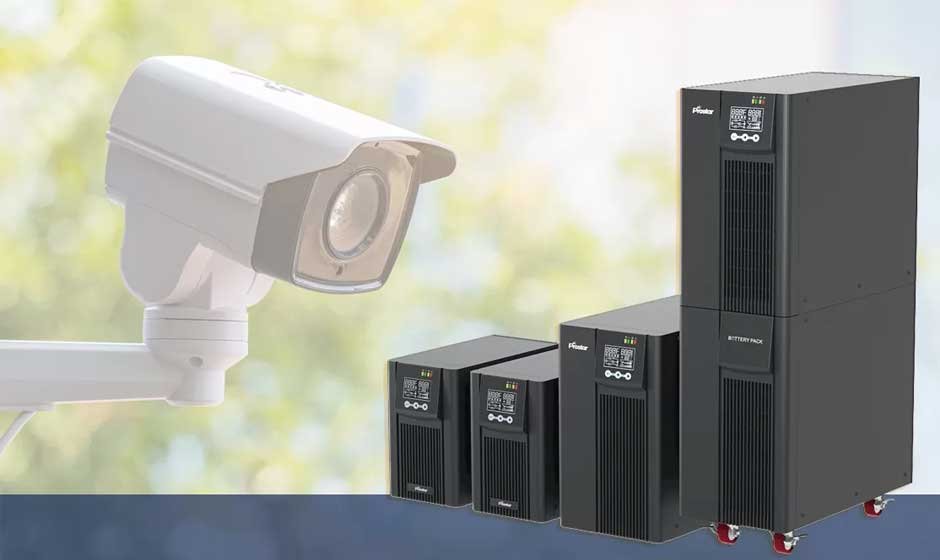
- Home Security Systems – Keeps alarms and cameras operational during blackouts.
- Medical Equipment – Ensures uninterrupted operation of CPAP machines, oxygen concentrators, and other critical devices.
- Work-from-Home Essentials – Maintains power for laptops, Wi-Fi, and phones.
- Appliance Support – Keeps refrigerators, freezers, and lighting functional.
- Outdoor Activities – Portable battery backups are perfect for powering devices while camping or traveling.
The Future of Battery Backup Technology
Advancements in energy storage are rapidly changing the market. Lithium iron phosphate (LiFePO4) batteries are emerging as the preferred choice due to their long life cycles and enhanced safety. Integration with smart technology allows users to monitor and manage energy consumption via mobile apps.
Moreover, as renewable energy adoption grows, battery backup will become even more important. Homeowners with solar panels can pair them with battery storage systems to reduce reliance on the grid and achieve greater energy independence.
Conclusion
In a world that depends on uninterrupted electricity, a battery backup system is no longer optional—it’s essential. From protecting sensitive electronics to ensuring business continuity and supporting emergency preparedness, battery backups provide reliable, clean, and instant power whenever the grid fails.
As technology continues to improve, these systems are becoming more efficient, affordable, and eco-friendly. Whether you’re securing your home, protecting your data, or preparing for emergencies, investing in a battery backup is a smart step toward energy security and peace of mind.