
Skip to the good bit
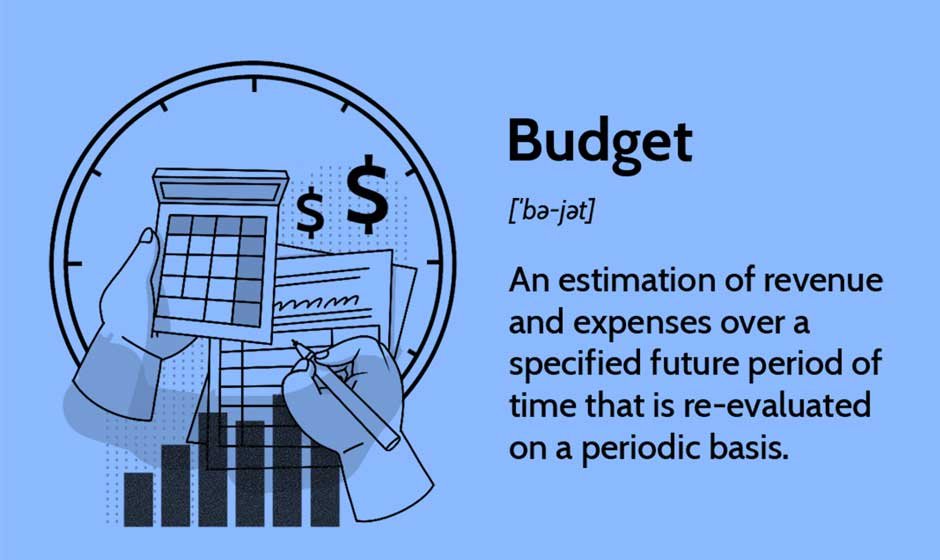
ToggleEver feel like your paycheck vanishes before you know it? You are not alone. A clear, reliable budget can turn financial stress into confidence. By knowing exactly where your money goes, you can cover essentials, build savings, and still enjoy the things you love.
In this guide on budgeting and planning, you will learn budget tips, how to make a budget, and how to budget money effectively by following these steps:
- Calculate your true take-home pay
- Track and categorize every expense, from rent to coffee runs
- Set SMART goals for emergencies, debt payoff, and beyond
- Compare popular budgets and budgeting methods like 50/30/20, zero-based, envelope, and pay-yourself-first
- Craft a personalized plan that adapts to real-life changes
- Automate, monitor, and tweak your budget for long-term success
Ready to take control of your finances? Let’s begin by determining your net income.
Determine Your Net Income
To start beginner budgeting and simplified budgeting, calculate your take-home pay. This figure shows the cash you can allocate each month for all budgets.
Differentiate between gross and net income
Gross income is total wages before any deductions. Net income represents the funds deposited after payroll taxes (federal, state, Social Security, Medicare) and pre-tax contributions like 401(k) and health insurance. Use net income as the basis for all budget categories.
Accounting for variable income streams
Freelancers and gig workers should record each payment and date. Subtract business expenses and set aside estimated taxes to determine net earnings. Add back pre-tax withholdings to see true disposable cash. If pay varies month to month, average earnings over several periods or transfer surplus funds into a reserve account to smooth cash flow.
Tools for automated income tracking
- Link bank accounts to budgeting apps or spreadsheets for real-time updates.
- Use Bank of America’s Spending & Budgeting tool to auto-aggregate deposits and categorize income.
- Set alerts for payday and low-balance notifications.
Automate savings
Schedule direct deposits of a fixed amount into emergency or retirement accounts on each payday. This ensures key contributions happen before you allocate money to discretionary expenses.
Track and Categorize Your Expenses
Begin by logging every purchase for at least one to two months. Tracking small daily expenses,from coffee runs to grocery trips,reveals patterns and highlights areas to trim. This step forms the core of how to budget and make a budget that works.
Fixed vs Variable Expenses
Separate costs into fixed and variable categories. Fixed expenses recur at the same rate each month, such as rent, insurance, car payments, and subscription services. Variable expenses change based on usage or choices, like groceries, gas, entertainment, and personal shopping.
One-off and Irregular Expenses
One-off costs can slip through the cracks if not planned. Use custom labels to capture irregular outlays such as vehicle repairs, medical bills, or annual fees.
Creating Sinking Funds
Set up sinking funds by allocating a small amount to a dedicated category each month. This simplified budgeting strategy smooths out large, infrequent bills and keeps your budget realistic.
Using Apps and Spreadsheets
Choose the tool that fits your style. Apps offer real-time categorization, while spreadsheets provide full control.
- Smartphone apps: Log expenses on the go and link accounts to auto-categorize.
- Spreadsheets: Use templates with formula-driven summaries and charts.
- Bank of America Spending & Budgeting: Automatically groups transactions into fixed, variable, and miscellaneous categories.
Review receipts and statements each month. Adjust category budgets based on real data to stay on track.
Set SMART Financial Goals
Defining clear financial targets gives your budget direction and keeps you motivated.
Short-term vs Long-term Goals
Short-term goals focus on objectives you can achieve within three to six months, such as saving $500 for an emergency cushion. Long-term goals span over one year, like paying off student loans or building a six-month living expense fund.
Emergency Fund and Debt Reduction
An emergency fund is a classic SMART goal: specify an amount, measure progress monthly, confirm it fits your budget, ensure relevance to your stability, and set a deadline. For debt reduction, set a clear payoff target, track monthly payments, and adjust as income changes.
Visual Progress Trackers
Use a savings chart or app to track your SMART milestones visually. Seeing progress reinforces your commitment.
Aligning Budgets with Life Milestones
Align financial goals with key events, such as buying a home, starting a family, or planning retirement. Break each milestone into SMART steps to know exactly how much to save and by when.
Review Popular Budgeting Methods
Choosing the right framework can make the difference between hitting savings targets and feeling overwhelmed. Below, explore four methods to help you find the best budgeting plan.
50/30/20 Rule
The 50/30/20 rule divides net income into three categories: 50% for needs, 30% for wants, and 20% for savings or debt payments. Needs cover rent, groceries, and minimum bills. You can adjust the percentages to fit high living costs or speed up savings.
Zero-Based Budgeting
With zero-based budgeting, every dollar of income is assigned a purpose until you reach zero. You list all expected expenses, savings, and debt payments, then match them to income. This method fits those who prefer detailed tracking and clear accountability.
Envelope System
The envelope system uses cash envelopes per spending category. When an envelope is empty, you stop spending in that category. This approach helps curb impulse buys. For a digital twist, create separate accounts or cards for each category instead of physical cash.
Pay Yourself First Strategy
The pay-yourself-first method means moving a set amount to savings or investments as soon as you receive income. After saving, you pay bills and cover expenses with the remaining funds. Automate transfers on payday to build emergency reserves without manual effort.
Create Your Personalized Budget Plan
Allocating budget across categories helps you stay on track and adapt over time.
Allocating funds to categories
First, confirm your monthly take-home pay after taxes and deductions. Next, record fixed expenses like rent and utilities, and variable costs such as groceries and entertainment.
Use a percentage-based model:
- 50% for needs
- 30% for wants
- 20% for savings or debt
Alternatively, try zero-based budgeting or pay-yourself-first to assign every dollar a purpose. Then, itemize short-term goals like a vacation fund and long-term ones such as retirement, ensuring your savings category aligns with your priorities.
Adjusting allocations for real-life changes
Review your plan monthly. If income rises or expenses shift, update each category. Start by cutting wants, like streaming services or dining out, before touching fixed bills. For unexpected costs, redirect surplus from savings, then replenish it the next cycle. Use budgeting apps or a simple spreadsheet to track tweaks and maintain flexibility.
Monitor, Review, and Adjust Your Budget
Monthly Reviews and Check-Ins
Establish a monthly check-in to compare actual spending against your plan. Group expenses into fixed (rent, utilities, loan payments) and variable (groceries, entertainment) categories to spot variances quickly. Use apps or spreadsheets to track daily transactions. Adjust allocations from underused categories before small issues grow.
Handling Overspending
When you overspend, trim discretionary wants like dining out or extra streaming services. Next, review fixed costs by negotiating insurance premiums or service rates. Even small cancellations can free up cash. Document corrective steps and apply them in the following cycle.
Updating for Income or Goal Changes
Adjust your budget when income shifts (raises, bonuses, or pay cuts) to align expenses and savings with your new net income. As you hit goals like debt payoff or building an emergency fund, reallocate freed funds to new targets.
Behavioral Strategies and Tools for Budget Success
Implementing behavior-based strategies and smart tools can transform budgeting from a chore into a streamlined habit. These methods reduce manual effort, keep you engaged, and help you stay on track long term.
Automation and AI Tools
Start by automating your savings with recurring transfers that move a set amount to emergency or investment accounts each pay period. AI-powered apps link directly to bank and credit card accounts to auto-categorize transactions in real time and flag unusual spending. Additionally, consider signing up for a reliable credit monitoring service to stay on top of your credit health and spot any unusual activity early. This combination ensures you pay yourself first and maintain an accurate view of your cash flow.
Gamification and Accountability
Add a gamification layer to your budget by setting milestone-based rewards such as a small treat or experience when you reach defined savings targets. Many finance apps offer points, badges, and leaderboards to reinforce progress visually. For extra support, enlist an accountability partner or work with a financial coach to schedule regular check-ins and review your goals together.
Mindful Spending Techniques
Develop a spending diary to record each expense and its emotional trigger. Before nonessential purchases, use a pause and reflect rule, such as waiting 24 hours, to confirm necessity. Review your diary monthly to spot trends and adjust category limits accordingly.
Conclusion
You now have a clear path to master your money and reach your goals. Key takeaways:
- Calculate your true net income, including variable streams
- Track and categorize fixed, variable, and one-off expenses
- Set SMART goals for emergencies, debt payoff, and life milestones
- Compare methods like 50/30/20, zero-based, envelope, and pay-yourself-first
- Build a personalized budget and review it each month
- Tackle overspending by adjusting wants before needs
- Leverage automation, gamification, and mindful spending techniques
By following these steps you will reduce financial stress, build savings, and make every dollar work for you. Budgeting is a habit, not a one-time task. Start small, stay consistent, and adjust as you go. Your journey to financial confidence begins today, take that first step and watch your progress grow.